
25+ Best Books on China’s History
 Reading Time: 11 minutes
 Our collection of 25+ of the best books on China’s history includes both fact and fiction, Pulitzer Prize winners, and undisputed classics. There are books on economic development, books on revolutionaries, and authors who experienced China firsthand, as well as those who have watched it from afar. But each of these books on Chinese history helps to paint a fuller picture of China’s complex culture and history. From Confucianism to Mao Zedong to economic reforms and everything in between, these books will help you understand modern China and its people.
25+ Best Books on China’s History

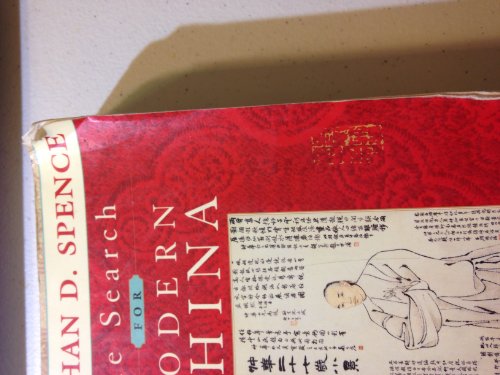
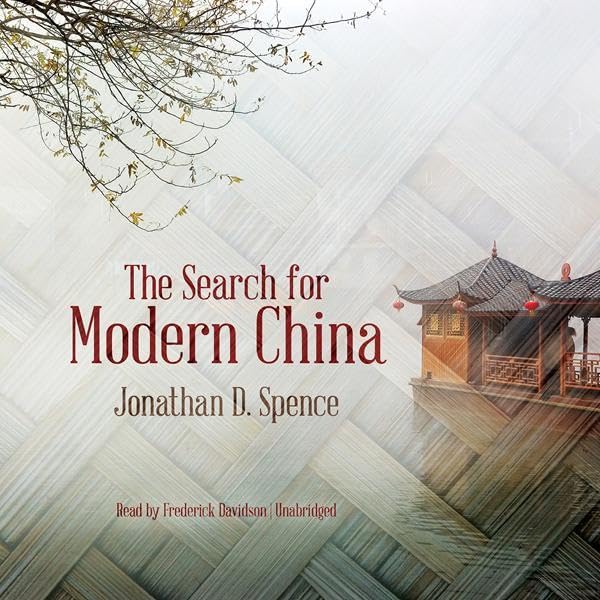
The Search for Modern China – Jonathan D. Spence
(Non-Fiction, Modern Chinese History)

Topic: From the late Ming dynasty to post-Tiananmen China.
Summary: Spence offers a broad but finely crafted history of China’s rise from imperial dynasty to modern nation. He chronicles the civil war and foreign invasion, the Opium Wars, the Imperial collapse, and the Communist revolution. Political history is interspersed with social and cultural insights. Many consider it to be the best single-volume introduction to modern China.
The Cambridge History of China – Edited by Denis Twitchett & John K. Fairbank
(Non-Fiction, Comprehensive Dynastic History)

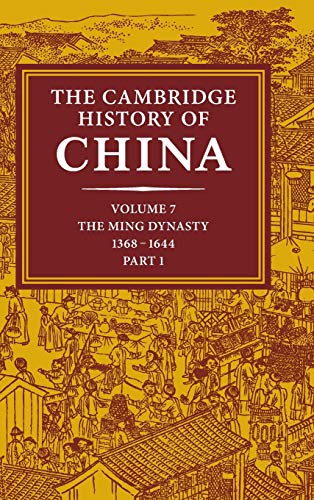
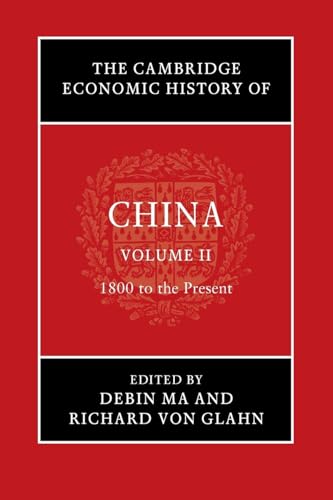

Topic: Ancient to modern Chinese dynasties.
Summary: Spanning China’s history from the Qin dynasty to the People’s Republic, this massive multi-volume set is essential for anyone seriously studying China. Written by preeminent sinologists, each volume provides comprehensive coverage and analysis of political, social, economic, and intellectual trends. Books are more academic than narrative.
China: A History – John Keay
(Non-Fiction, Broad Historical Survey)
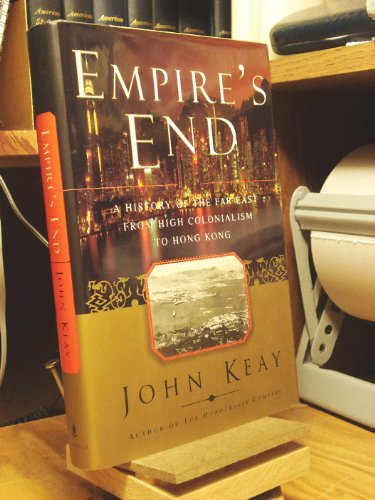
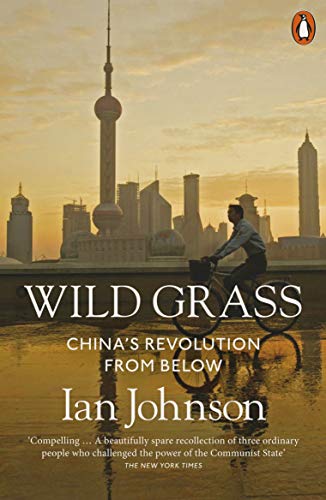


Topic: From prehistoric China to the 21st century.
Summary: Keay offers a readable synthesis of Chinese history across the millennia, organized around themes of imperial cycles and continuity. He highlights themes of cohesion, disunity, and bureaucratic administration. The book also contextualizes Chinese history within the broader world. Suitable for those looking for an accessible and yet substantial overview.
The Early Chinese Empires: Qin and Han – Mark Edward Lewis
(Non-Fiction, Qin & Han Dynasties)
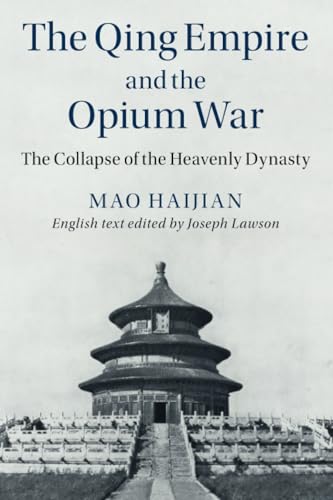
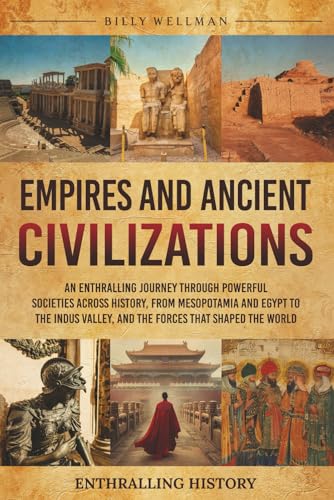


Topic: Unification under Qin Shi Huang and consolidation under Han rule.
Summary: Lewis chronicles the rise and consolidation of China’s first empire. He delves into bureaucratic structures, conquest, and ideologies such as Legalism and Confucianism. The book emphasizes China’s early institutional development that endured for two thousand years. Lewis’s book is brief but thorough.
Wolf Totem – Jiang Rong
(Fiction, Cultural Revolution & Inner Mongolia)

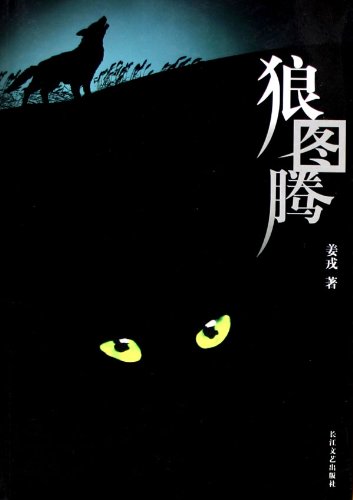

Topic: Han intellectual sent to rural Mongolia during Mao’s campaigns.
Summary: Themes of Mongolian nomadic traditions and the metaphorical strength of wolves permeate the novel. Other major themes include commentary on environmental devastation and political dogma. Wolf Totem became a runaway bestseller in China. The novel juxtaposes cultural rumination with political dissent.
The Age of Confucian Rule: The Song Transformation of China – Dieter Kuhn
(Non-Fiction, Medieval China)


Topic: Economic revolution and cultural flowering during the Song (960–1279).
Summary: Kuhn portrays the Song as a period of technological advancement, urban growth, and artistic creativity. Gunpowder, printing, and proto-capitalism developed rapidly in Song China. Chapters are devoted to political reform movements and foreign invasions from the nomadic empires to the north. Kuhn revises the notion of the Song as a middle period in world history.
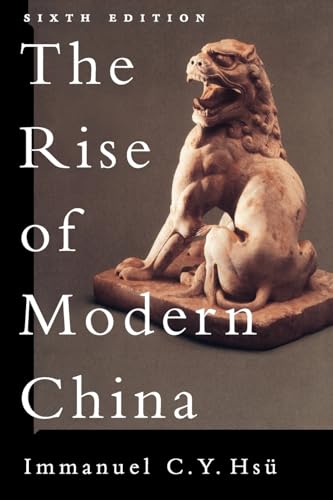
The Rise of Modern China – Immanuel C.Y. Hsü
(Non-Fiction, Qing Decline to PRC)


Topic: From the Opium Wars to Communist victory.
Summary: Hsü charts the decline of imperial power and China’s conflicts with Western imperialism. Topics include reform movements, warlordism, and the Nationalist-Communist conflict. Presents balanced interpretations of the causes of revolution and modernization. Standard college textbook.
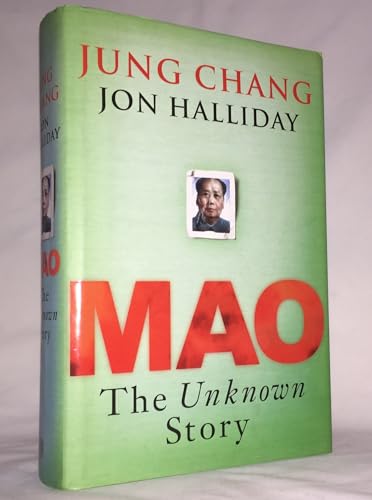
Mao: The Unknown Story – Jung Chang & Jon Halliday
(Non-Fiction, Mao Zedong Biography)
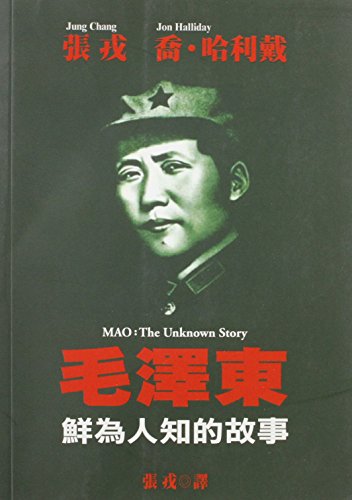

Topic: Mao’s life and rule, including the Great Leap Forward and Cultural Revolution.
Summary: A highly disputed biography that depicts Mao Zedong as callous and power-hungry. It chronicles the Long March and Communist reunification, the famine of the Great Leap Forward, and the chaos of the Cultural Revolution. The authors defended Mao’s actions as unnecessarily damaging and responsible for the widespread loss of life. The book created debate among historians over its viewpoints.
The Cultural Revolution: A People’s History, 1962–1976 – Frank Dikötter
(Non-Fiction, Cultural Revolution)
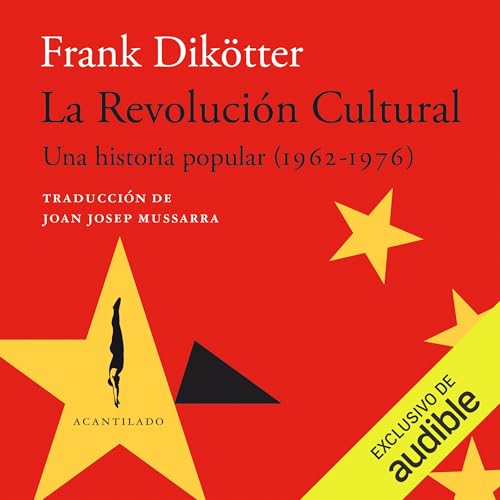

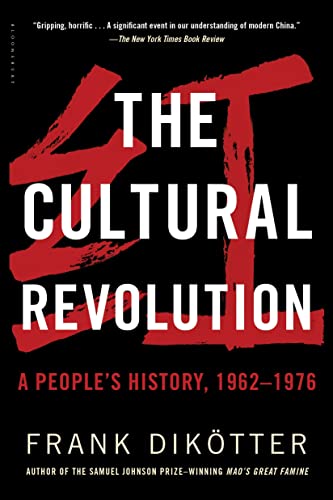

Topic: Mao’s Cultural Revolution and political purges.
Summary: The book records experiences of chaos, violence, and social breakdown during China’s Cultural Revolution. Drawing on archival sources, Dikötter shows factional conflict and state violence. He concentrates on the experiences of ordinary people swept up in mass political campaigns. It is uncompromising in its content and thoroughly researched.
Snow Flower and the Secret Fan – Lisa See
(Fiction, 19th Century Women’s Lives)
![Snow Flower and the Secret Fan[SNOW FLOWER & THE SECRET FAN][Pape...](https://m.media-amazon.com/images/I/41mISZ4vF2L.jpg)
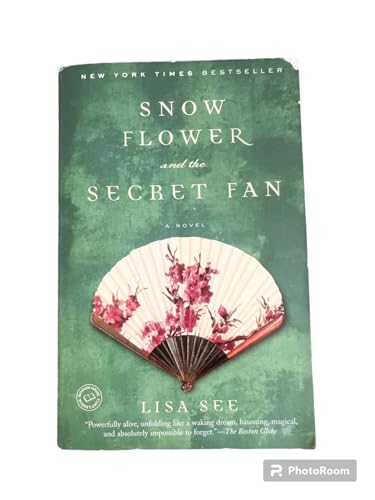


Topic: Qing dynasty female friendship and foot-binding.
Summary: The story of two women linked by clandestine letters. Themes of marriage rites, women’s roles, and rural culture. Sentimental ties battle staunch convention. Viscerally evocative of place and culture.
The Great Famine – Frank Dikötter
(Non-Fiction, Great Leap Forward Famine)

Topic: 1958–1962 famine under Mao.
Summary: Dikötter explains how collectivization and production quotas resulted in a famine of epic proportions. Dikötter holds the government policy over nature accountable for most of the famine. The book uses new information from recently opened provincial archives. It reinterprets one of the deadliest episodes of the 20th century.
Wild Swans – Jung Chang
(Non-Fiction Memoir, 20th Century China)
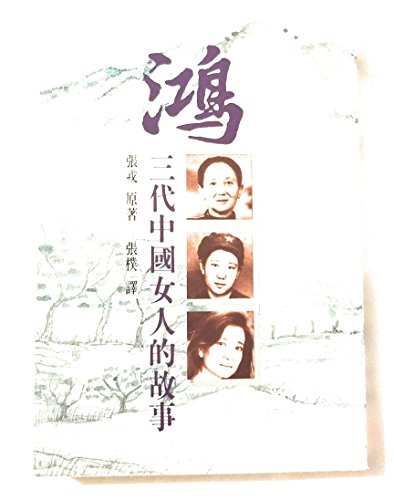
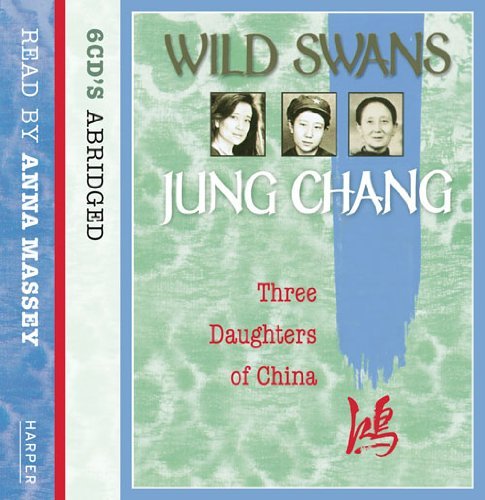

Topic: Three generations of women under warlordism, Japanese invasion, and Mao.
Summary: Spanning her grandmother’s role as a concubine, her mother’s activism, and her own turbulent years as a child during the Cultural Revolution, Chang’s memoir details her family life alongside the great changes in China. It provides a detailed look at what day-to-day life was like for people living through China’s political indoctrinations. Chang’s book is popular in Western countries.
Red Star Over China – Edgar Snow
(Non-Fiction, Chinese Communist Revolution)
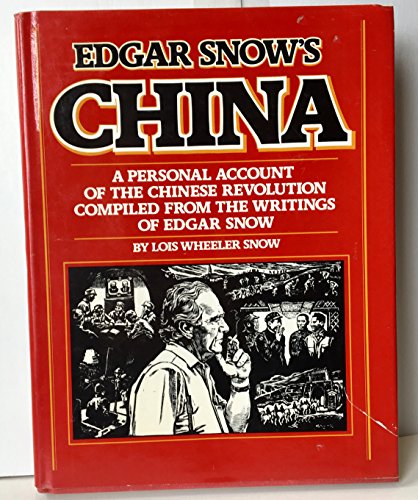
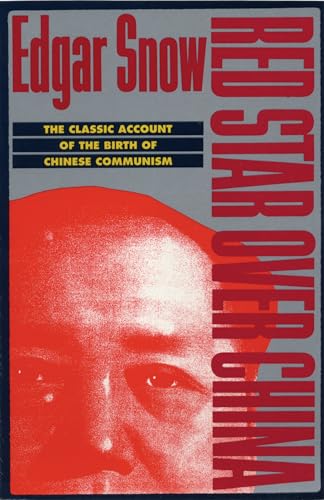

Topic: The Chinese Communist movement and the Long March.
Summary: Snow interviewed Mao and other Chinese Communist leaders in the 1930s. His dispatches from the field gave voice to the Chinese Communist movement in the West. Portraits of revolutionary leaders are sympathetic. The work has enduring value as historical reportage.
The Joy Luck Club – Amy Tan
(Fiction, Chinese Diaspora & 20th Century Upheaval)


Topic: Chinese mothers shaped by war and revolution.
Summary: Central to the novel is the conflict between immigrant mothers and their American-born daughters. The book also features stories about wartime China and the collapse of traditional society. Memory and identity are major themes throughout the book. This book acts as a bridge between Chinese history and Chinese diasporic history.
Autumn in the Heavenly Kingdom – Stephen R. Platt
(Non-Fiction, Taiping Rebellion)
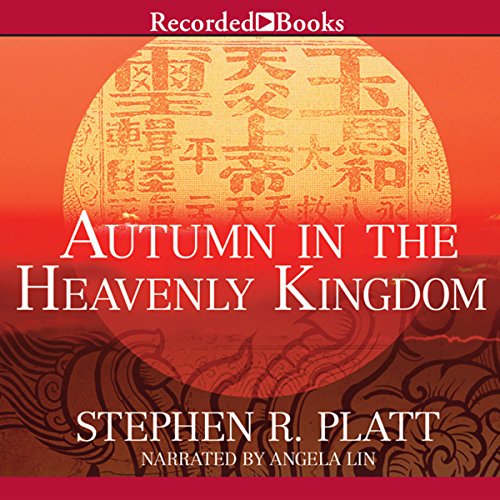

Topic: The Taiping Rebellion (1850–1864).
Summary: Platt analyzes one of the bloodiest civil wars ever fought. He highlights international relations and foreign intervention during the conflict. Platt details Qing China’s war with the Taiping rebels. The author gives portraits of the Taiping leader Hong Xiuquan. He chronicles the Qing reactions to the uprising. Platt contextualizes the conflict within the context of worldwide imperialism.
To Live – Yu Hua
(Fiction, Civil War & Maoist Era)
![(To Live) [By: Hua Yu] [Aug, 2013]](https://m.media-amazon.com/images/I/41cIowEe+RL.jpg)
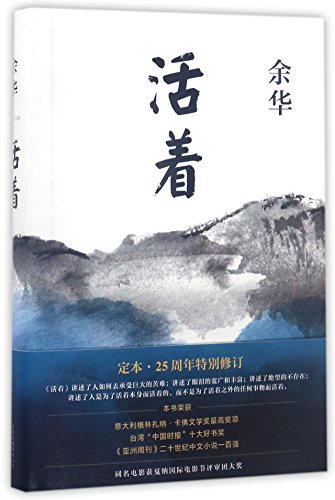

Topic: Nationalist–Communist Civil War, Great Leap Forward, Cultural Revolution.
Summary: The story of Fugui, whose family is visited by disaster again and again. A tale of survival during decades of political turmoil. Brutal, heartbreaking, and humane. Made into an award-winning movie.
The Opium War – Julia Lovell
(Non-Fiction, First Opium War)
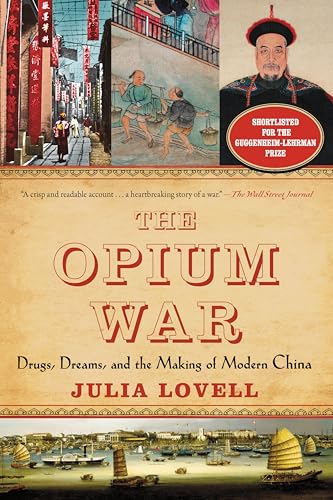

Topic: British-Chinese conflict over trade and sovereignty (1839–1842).
Summary: Lovell details how the war revealed the Qing Empire’s vulnerability and repositioned China on the world stage. She analyzes cultural miscommunications and imperialistic aggression. The book details how the “Century of Humiliation” narrative began. The legacy of this war informs modern Chinese nationalism.
1587, A Year of No Significance – Ray Huang
(Non-Fiction, Late Ming Dynasty)

Topic: Bureaucratic decline in Ming China.
Summary: Huang takes a year of few major events to show failures in the system. He writes biographies of officials and talks about inflexible institutions. The text argues the Ming fell due to bureaucracies being too rigid. He takes a microscopic history view of the year.
The Rape of Nanking – Iris Chang
(Non-Fiction, Second Sino-Japanese War)
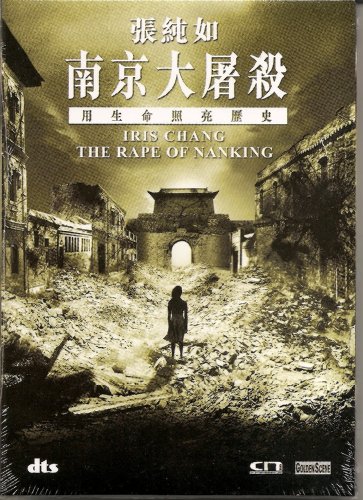
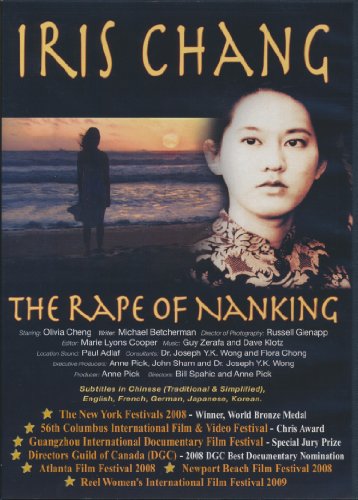

Topic: 1937 Nanjing Massacre.
Summary: Chang documents the actions of Japanese soldiers during the Nanjing Massacre. Details about the event are given through eyewitnesses. There are many stories of survivors throughout the book. It gained worldwide notoriety for the massacre. Powerful read, although very graphic/emotional history.
The Good Earth – Pearl S. Buck
(Fiction, Rural Life in Early 20th Century China)


Topic: Peasant life before the Communist Revolution.
Summary: Buck chronicles the life of Wang Lung, a farmer who struggles through famine and wealth. Themes show land, devotion to family, and social mobility. This novel depicts the struggles and perseverance of farm life. Awarded the Pulitzer Prize.
Romance of the Three Kingdoms – Luo Guanzhong
(Fiction, Three Kingdoms Civil War)
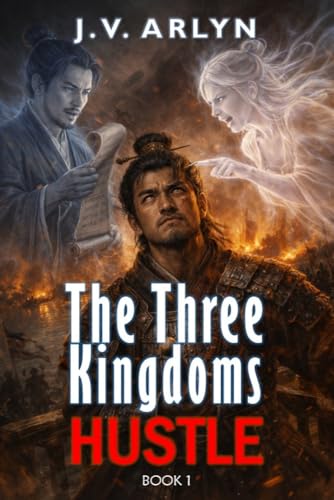
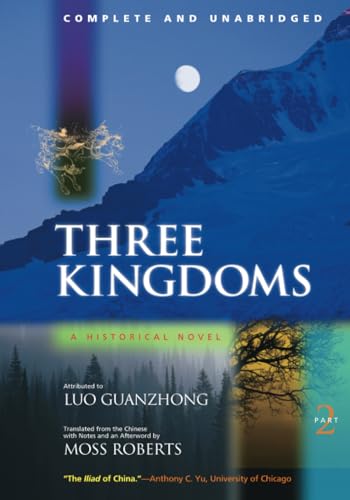

Topic: Collapse of the Han dynasty and rise of rival warlords.
Summary: The work tells the story of historical persons such as Cao Cao and Liu Bei. This romanticized tale mixed historical and fantastical elements with Confucian values of loyalty and strategy. The novel became influential in defining the popular memory of the period. Considered a foundational work of Chinese literature.
Dream of the Red Chamber – Cao Xueqin
(Fiction, Qing Dynasty Aristocracy)
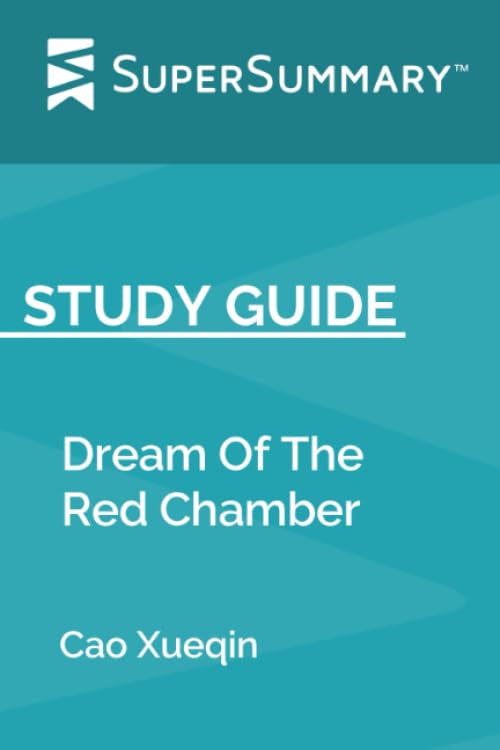
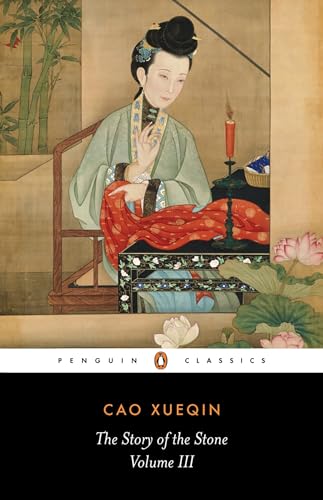

Topic: Decline of a noble family.
Summary: Set in the Eighteenth Century, this literary classic depicts aristocratic life and tragic love. It provides deep psychological and social understanding. Chinese Qing dynasty society is richly portrayed in this book. This is regarded as one of China’s finest novels.
The Death of Woman Wang – Jonathan D. Spence
(Non-Fiction, Qing Dynasty Social History)
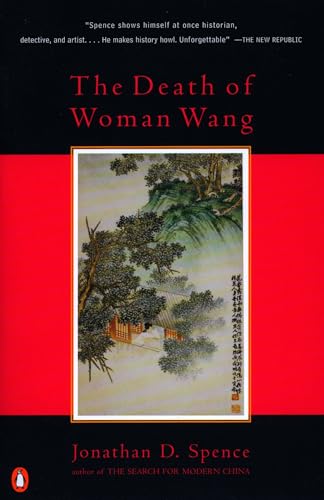

Topic: Rural life in 17th-century China.
Summary: Piecing together village life, Spence uses court records as his medium. He brings up topics like poverty, sex roles, and local justice. He bases his book on a domestic murder tragedy. This book paints a humane picture of life during the early Qing.
Oracle Bones – Peter Hessler
(Non-Fiction, Contemporary China)

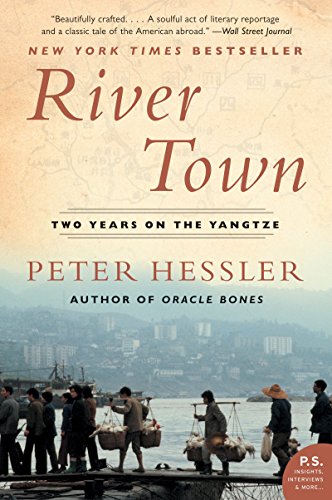
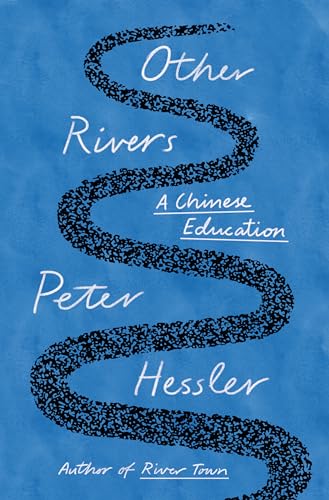

Topic: Modern China’s rapid transformation.
Summary: Reportage and personal experience teaching intertwine in Hessler’s accounts of China. He follows several students as their lives unfold amid modernization. The book meditates on how history echoes throughout modern identity. An intelligent look at what it meant to be Chinese during the era of reform.
The Man Who Stayed Behind – Sidney Rittenberg
(Non-Fiction Memoir, Communist China)
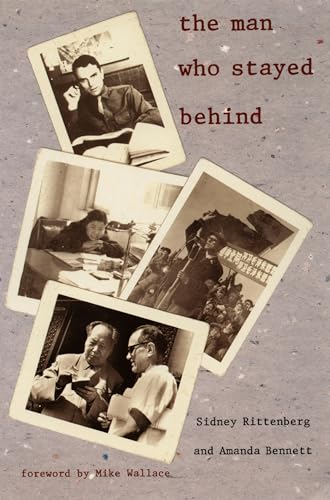

Topic: American in Mao’s China.
Summary: Rittenberg describes how he joined the Chinese Communist Party and lived through the purges. He experienced events from Yan’an through the Cultural Revolution. The memoir gives a first-hand account rarely shared. He shares details of zealous idealism and betrayal.
The Silk Roads – Peter Frankopan
(Non-Fiction, Eurasian Trade Networks)

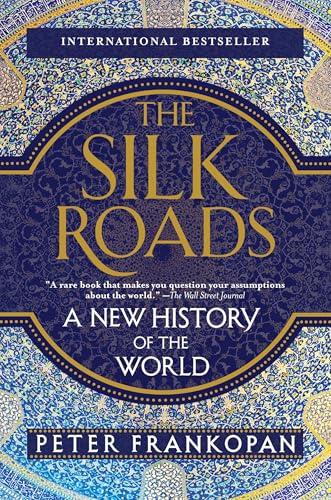


Topic: China’s role in ancient global trade.
Summary: Frankopan re-centers history around Central Asia and the Silk Road trade routes between China and Rome. Trade and cultural exchange are given emphasis. Frankopan brings to attention how globally connected China was early on. Covers a lot of ground and is an ambitious read.
China in Ten Words – Yu Hua
(Non-Fiction, Contemporary Chinese Society)

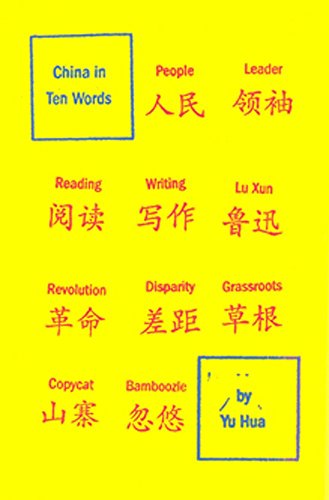

Topic: Modern China through thematic essays.
Summary: Yu Hua discusses themes such as “People”, “Leader”, and “Copycat”. Yu mixes memoir with opinion. These essays reflect on what daily life became through political movements. The writing is regarded as extremely introspective.
The Party: The Secret World of China’s Communist Rulers – Richard McGregor
(Non-Fiction, Chinese Communist Party)
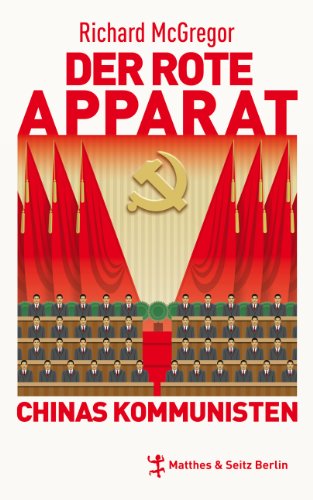
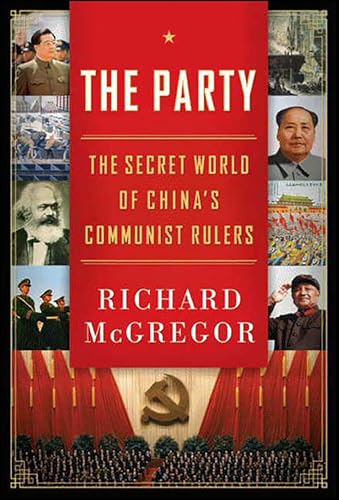
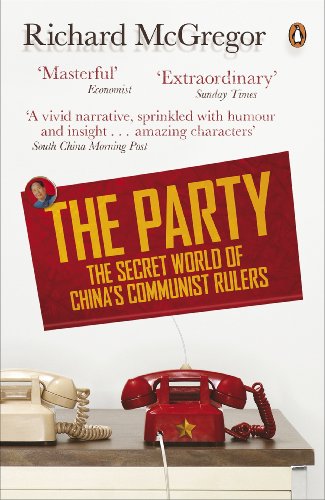

Topic: Inner workings of the CCP.
Summary: McGregor examines how the Chinese Communist Party (CCP) operates behind the scenes of official Chinese institutions. He provides an analysis of elite politics and censorship. McGregor argues that CCP politics continues to permeate every aspect of Chinese society. Highly recommended for anyone wanting to understand modern-day authoritarian rule.
Balzac and the Little Chinese Seamstress – Dai Sijie
(Fiction, Cultural Revolution Reeducation Camps)
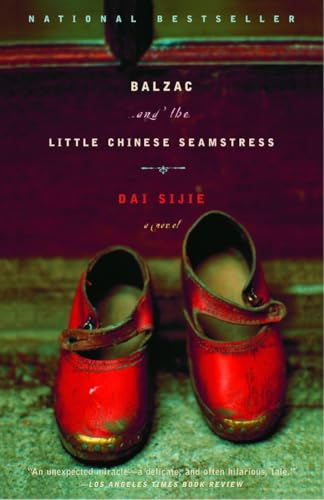

Topic: Urban youths sent to rural labor camps.
Summary: Two boys stumble upon banned Western books during “reeducation.” Tackles coming of intellectual awareness and the crushing of that awareness. Life, love, and growth through Maoist indoctrination. Semi-autobiographical novel.
You can start with grand surveys of Chinese dynasties or dive straight into personal family histories. One way or another, each book on this list provides a unique lens into China’s complex past. Across centuries, you’ll see themes of unity and fragmentation, innovation and destruction, preservation and reform that continue to impact our world today. “Study the past if you would define the future,” said Confucius.
Read these 25+ books about China’s history, and you’ll come away more informed about more than just emperors, rebellion, and cultural achievements. You’ll also better understand how China’s history continues to shape everything from global politics and economics to how we define our identities today.


