
25+ Best WWII Books to Broaden Your Perspective
 Reading Time: 14 minutes
 If you’re looking for the 25 best World War II books, you’ve come to the right place. There’s more to this global conflict than the actual battles. The complex nature of this global conflict led to a wide range of writings that cover all its many aspects, including military strategy and personal accounts. Whether you’re looking for history books about the most gruesome details of the war or the political maneuverings that took place in back rooms of power, this list of the 25 best books on World War II has you covered.
While these books are great for those who are passionate about history, they’re also perfect for a non-history buff who just wants to gain a better understanding of this era.
World War II is without a doubt one of the most significant chapters in human history. Books about it played a pivotal role in preserving the memory of those who lived during the time and the details of the gruesome conflict. Ranging from the most detailed accounts of fighting on the frontlines to thorough investigations into the choices made by world leaders, these 25 books are some of the best on the conflict. Each of them will highlight different facets of this war, providing a glimpse of its effects on the world.

Our List of The 25 Best WWII Books
1. The Diary of a Young Girl – Anne Frank
(Non-Fiction, Memoir)


Topic: The Holocaust, Jewish persecution in Nazi-occupied Amsterdam.
Anne Frank’s diary is an account of her family’s time in hiding. The young Anne Frank wrote about daily life and the terror of living through the Nazi occupation. In her entries, Anne Frank expressed the hopes and fears of the Jewish family. Her personal reflections on identity and being human make her diary a symbol of Holocaust literature.
2. Band of Brothers – Stephen E. Ambrose
(Non-Fiction, Military History)

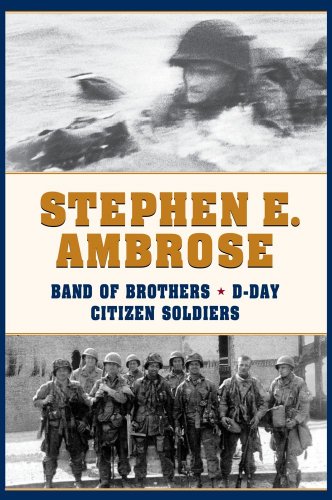
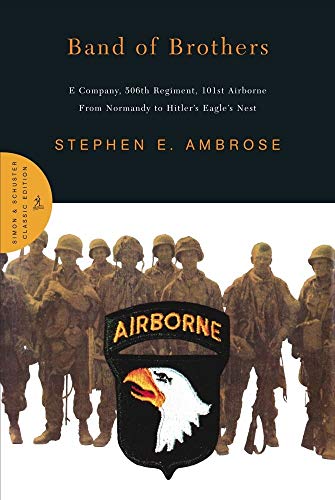

Topic: Easy Company’s journey from D-Day to the end of WWII.
This book traces the history of the U.S. Army’s 506th Parachute Infantry Regiment, from its training and the development of camaraderie to its significant missions. It covers major battles like Normandy and Bastogne, highlighting the courage and sacrifices of the soldiers involved. Ambrose also conveys the emotional impact of war on those who experienced it.
3. Unbroken – Laura Hillenbrand
(Non-Fiction, Biography)

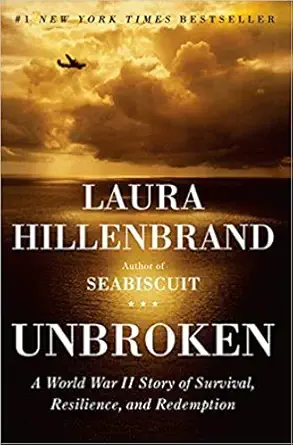

Topic: Survival, resilience, and redemption of Louis Zamperini.
Hillenbrand recounts the journey of a WWII bombardier, who is shot down and left at sea for 47 days, and later experiences cruel Japanese POW camps. The story details survival, mental anguish, and post-war reconciliation. Zamperini’s spirit is remarkable and unforgettable.
4. The Rise and Fall of the Third Reich – William L. Shirer
(Non-Fiction, History)

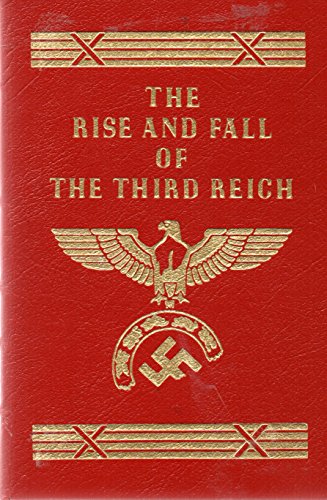
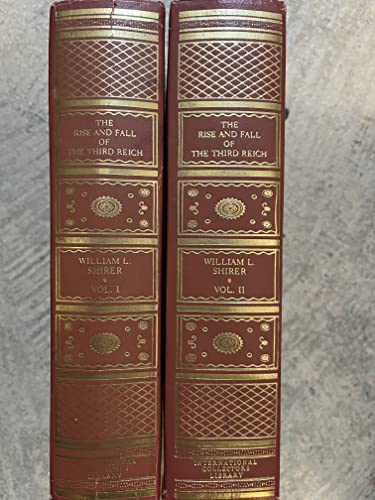

Topic: Nazi Germany’s political, military, and ideological evolution.
Berlin correspondent Shirer’s classic account of Hitler’s rise and the collapse of the Nazi state. Covering topics such as the Munich Agreement, Kristallnacht, and the Holocaust, this definitive history reveals how Germany was consumed by dictatorship and war.
5. Night – Elie Wiesel
(Non-Fiction, Memoir)
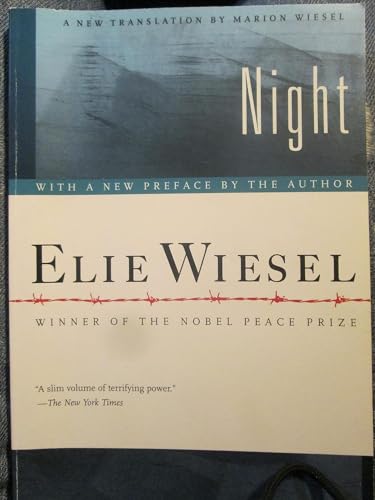

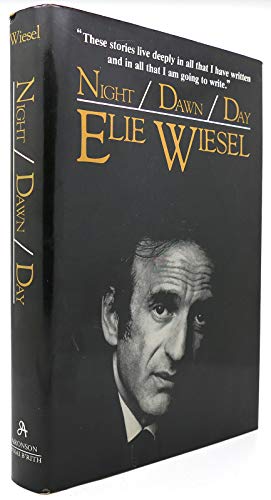

Topic: Holocaust survivor’s personal experience in Auschwitz.
Wiesel’s book is a harrowing account of the concentration camps, his lost faith, and the destruction of his family. He uses a simple yet powerful language to recount his experiences of pain, suffering, and moral dilemmas. The book is a powerful testament to the horrors of the Holocaust and its impact on the survivors.
6. A Bridge Too Far – Cornelius Ryan
(Non-Fiction, Military History)
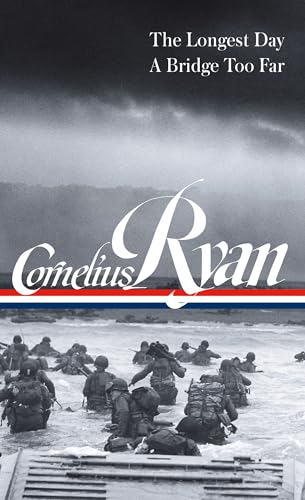


Topic: Operation Market Garden and the failed Allied assault.
Ryan covers the bold and disastrous plan to seize bridges in the Netherlands. The book unfolds through first-hand accounts from both Allied and German soldiers, revealing the chaos and heroism of the battle. It’s a riveting study of hubris and strategic failure.
7. All the Light We Cannot See – Anthony Doerr
(Fiction, Historical)


Topic: Occupied France and the intersection of two lives during WWII.
A blind French girl and a German boy cross paths in occupied France as their destinies become intertwined in this novel that shifts perspectives to reveal the effects of war on civilians. Written in a lyrical style, Doerr’s book highlights themes of resilience, fate, and invisible bonds.
8. The Second World War – Antony Beevor
(Non-Fiction, Comprehensive Overview)

![(The Second World War) [By: Antony Beevor] [Sep, 2014]](https://m.media-amazon.com/images/I/51SyAM55lyL.jpg)


Topic: Global history of WWII, from Europe to the Pacific.
Beevor covers the major theaters, battles, and political decisions of the war. The grand strategic level is combined with human interest to produce a total picture of the war. Beevor’s book is highly recommended for both the general reader and the student of history.
9. Hiroshima – John Hersey
(Non-Fiction, Journalistic Account)
![[( Hiroshima # )] [by: John Hersey] [Jun-1994]](https://m.media-amazon.com/images/I/41gwTqpAYrL.jpg)
![By John Hersey - Hiroshima (2014-02-13) [Paperback]](https://m.media-amazon.com/images/I/41Po9exXrLL.jpg)


Topic: The atomic bombing of Hiroshima and its survivors.
The narrative of the book is an interview with six survivors, and he goes into detail about what happened before, during, and after the atomic bomb was dropped. The book is a somber reminder of the incalculable death and the lingering consequences of nuclear war. The book is a riveting, haunting, and unnerving look at the total devastation of an atomic bomb.
10. The Guns of August – Barbara W. Tuchman
(Non-Fiction, Military History)
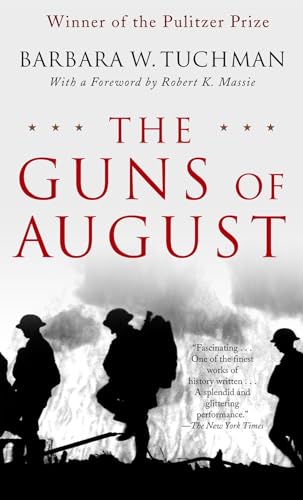


Topic: The lead-up to and first month of WWI (but heavily referenced in WWII studies).
This work is primarily a study of World War I, but it is also indispensable to understanding the causes of World War II. It shows the diplomacy, alliances, and mistakes that led to Europe’s war. Churchill also drew on the book when discussing strategy in World War II.
11. Schindler’s List – Thomas Keneally
(Non-Fiction, Biography/History)

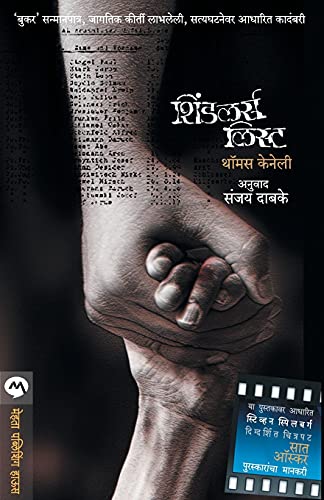


Topic: Oskar Schindler’s efforts to save Jews during the Holocaust.
Keneally chronicles Schindler’s metamorphosis from a war profiteer into the man who bought the lives of over 1,000 Jews. The novel explores issues of good and evil, courage, and decency during a time of genocide. It is the story of one man who made a difference.
12. The Forgotten Soldier – Guy Sajer
(Non-Fiction, Memoir)
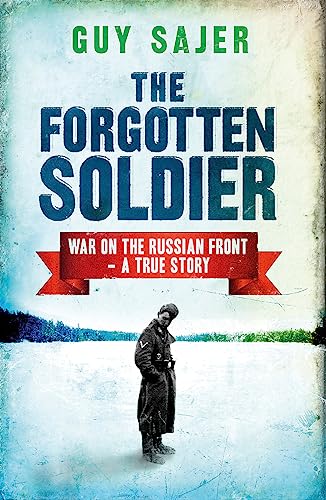
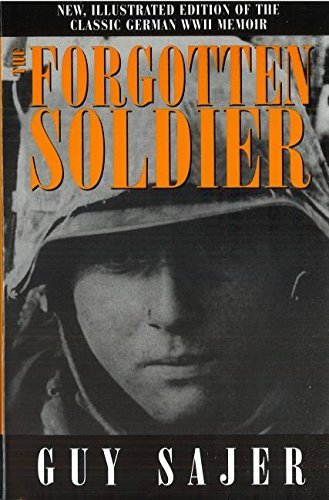
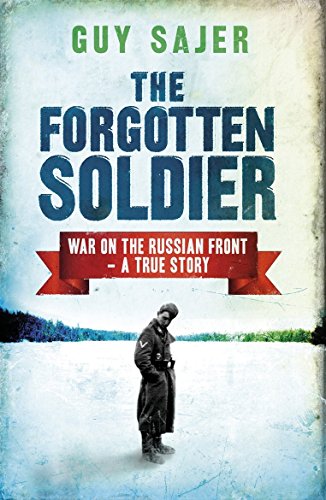

Topic: A German soldier’s perspective on the Eastern Front.
Sajer recounts the brutal combat experiences on the Eastern Front, fighting the Soviets and enduring the cold. His memoir is visceral and candid, focusing on the soldiers’ physical and mental struggles. It offers a grim perspective of the war from the opposite side.
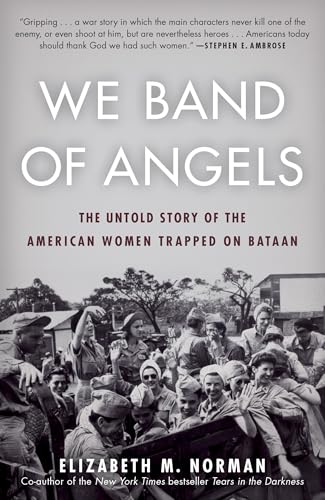
13. We Band of Angels – Elizabeth M. Norman
(Non-Fiction, Women’s History)
![We Band of Angels (99) by Norman, Elizabeth M [Paperback (2000)]](https://m.media-amazon.com/images/I/41R03TI98cL.jpg)

Topic: U.S. nurses imprisoned by the Japanese in the Philippines.
Norman chronicles the experiences of Army and Navy nurses captured in the fall of the Philippines. Starved, ill, and abused, the women struggle to survive and maintain their efforts to nurse their fellow prisoners—a stirring account of women’s strength in war.
14. The War That Ended Peace – Margaret MacMillan
(Non-Fiction, Pre-War Analysis)
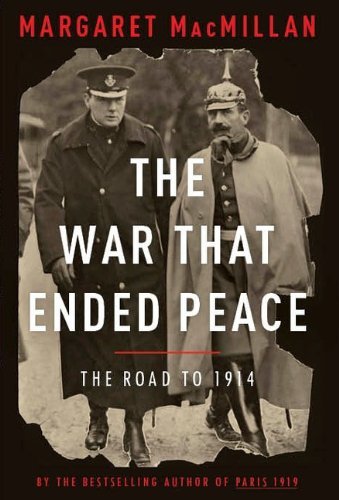


Topic: Causes of WWI and their connection to WWII.
MacMillan covers the tension that simmered for 30 years between the world wars, which then burst into flames and laid the groundwork for the Second World War. She looks at European politics, nationalism, and diplomacy. This book gives essential background on the worldwide conflicts we face.
15. D-Day: June 6, 1944 – Stephen E. Ambrose
(Non-Fiction, Military History)
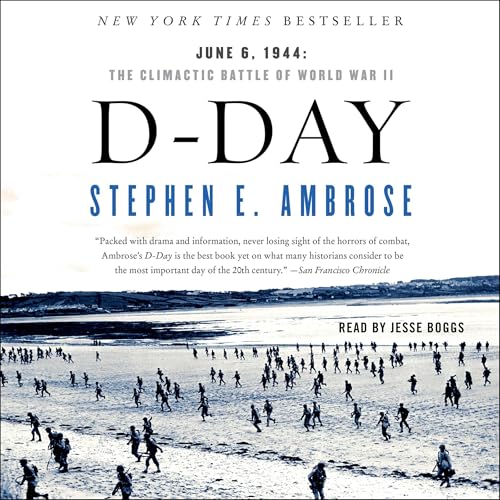


Topic: The Allied invasion of Normandy.
Ambrose chronicles the planning and execution of D-Day. With firsthand accounts from soldiers, he narrates the turmoil and valor of the invasion. The book is both a memorial and an analysis of the pivotal event that turned the tide of the war.
16. If This Is a Man – Primo Levi
(Non-Fiction, Memoir)

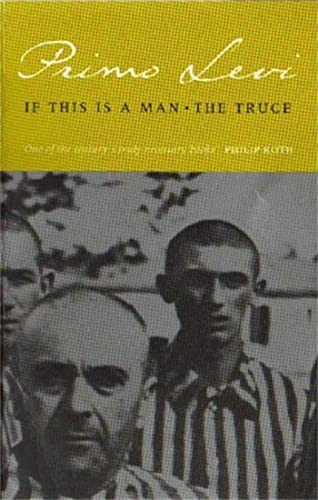

Topic: Survival in Auschwitz and the moral dilemmas faced.
Levi reflects on his experiences in Auschwitz with detachment. His narrative zeroes in on the struggle for survival, small acts of kindness, and the quest for dignity amid inhumanity. The work is an exploration of morality and the shadow of the past on life after the war.
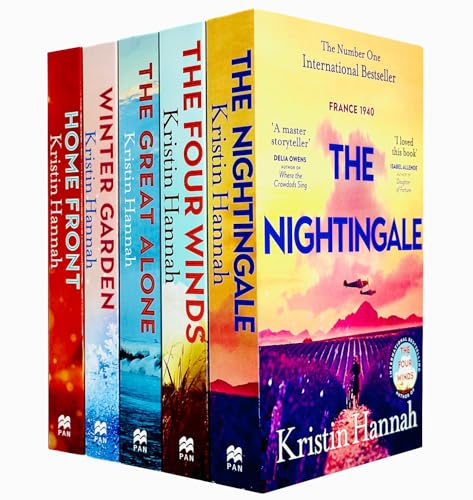
17. The Nightingale – Kristin Hannah
(Fiction, Historical)


Topic: Women’s resistance in Nazi-occupied France.
It tells the story of two sisters, one involved in hiding and transporting Jewish children and the other in the Resistance. It is a tribute to women and civilians in occupied countries, recounting their courage, resourcefulness, and emotional struggles. The book reminds us of roles we are no longer aware of in this period of our history.
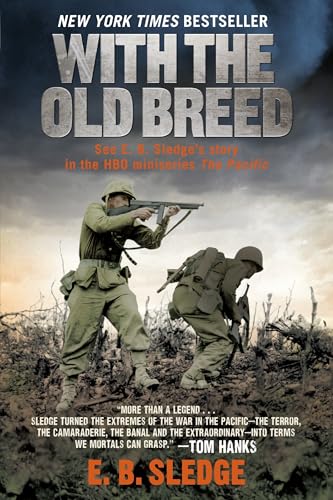
18. With the Old Breed – Eugene B. Sledge
(Non-Fiction, Memoir)


Topic: The Pacific War from Peleliu to Okinawa.
Eugene Sledge’s book is about his personal experiences of the hardships of combat and how it affected those who fought. He recounts the fear, camaraderie, and agony endured on the front lines. The book is considered one of the most realistic depictions of war.
19. Churchill: Walking with Destiny – Andrew Roberts
(Non-Fiction, Biography)


Topic: Winston Churchill’s leadership during WWII.
Roberts provides a comprehensive account of Churchill’s life and World War II. He details Churchill’s speeches, decisions, and stubborn optimism, which molded Allied victory. It also covers his faults and controversies.
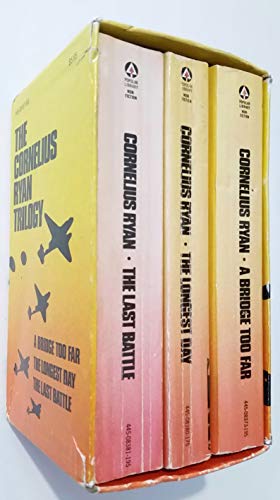
20. The Longest Day – Cornelius Ryan
(Non-Fiction, Military History)
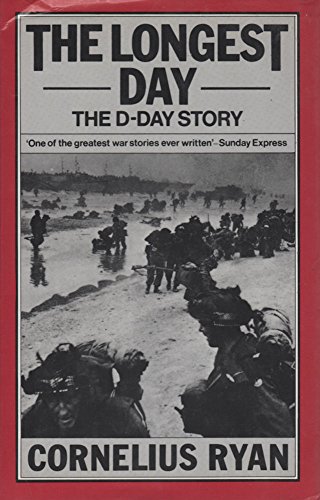

Topic: D-Day, from both Allied and German perspectives.
Ryan uses interviews with participants to reconstruct the events of June 6, 1944, over the 24 hours. The book alternates between strategy and individual heroism. It shows the enormity of the event and is a timeless classic of WWII literature.
21. Ghost Soldiers – Hampton Sides
(Non-Fiction, Military History)


Topic: The rescue mission to save POWs from the Bataan Death March.
Sides chronicles the story of U.S. Rangers as they infiltrate the Philippines to free over 500 prisoners of war being held by the Japanese. Alternating between the prisoners’ hellish ordeal and the soldiers who hope to save them, it’s a tale of bravery, sacrifice, and survival.
22. Stalingrad: The Fateful Siege, 1942-1943 – Antony Beevor
(Non-Fiction, Military History)

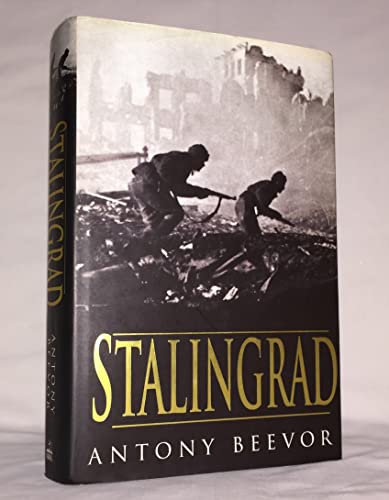

Topic: The Battle of Stalingrad, a turning point in WWII.
Beevor’s comprehensive narrative delves into one of history’s bloodiest battles, where the Soviet Red Army triumphed over Hitler’s forces. The book explores strategic choices, leadership failures, and the harrowing suffering of soldiers and civilians alike. It vividly illustrates the brutal cost of war on both sides.
23. The Book Thief – Markus Zusak
(Fiction, Historical)


Topic: A young girl’s experience during Nazi Germany, narrated by Death.
A German foster girl, Liesel Meminger, lives through World War II by stealing and sharing books. The novel conveys the power of words and the effects of war on ordinary citizens. It praises the human spirit while capturing the struggle of living during such times. The book’s unique voice and emotional range make it a classic.
24. A World at Arms – Gerhard L. Weinberg
(Non-Fiction, Comprehensive History)
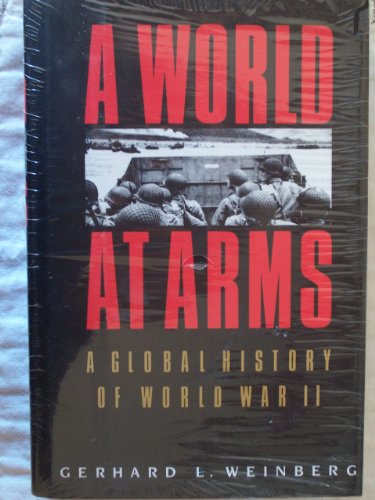
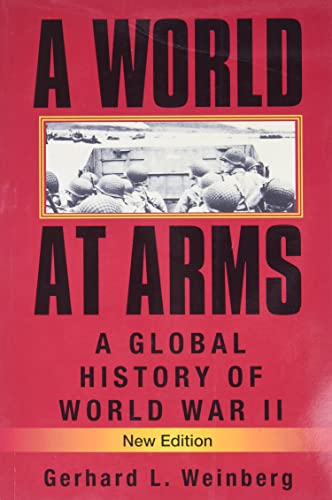
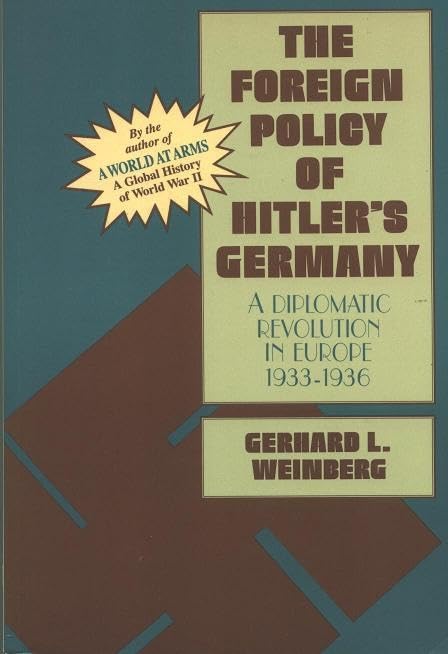

Topic: Global overview of WWII’s political, military, and economic aspects.
Weinberg’s book provides a comprehensive history that not only covers the major battles of World War II but also delves into the global context in which the war was fought. It explores topics such as diplomacy, war production, and alliances that played crucial roles in shaping the conflict’s outcome. Due to its wide coverage, this book is highly recommended for those seeking a deeper, more complete understanding of World War II.
25. Ordinary Men: Reserve Police Battalion 101 and the Final Solution in Poland – Christopher R. Browning
(Non-Fiction, Holocaust Studies)
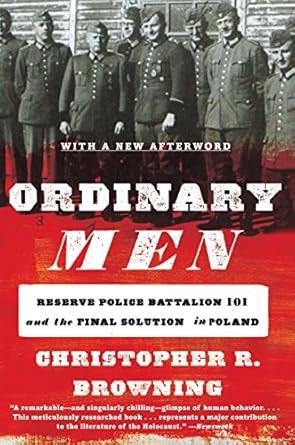


Topic: How ordinary German men carried out mass killings of Jews.
Browning looks at how ordinary men were turned into killers. He uses historical records and interviews to show how group pressure, obedience, and circumstances made regular people into executioners. It’s a disturbing look at human behavior in genocide.
26. Fateful Choices: Ten Decisions That Changed the World, 1940-1941 – Ian Kershaw
(Non-Fiction, Political & Military History)
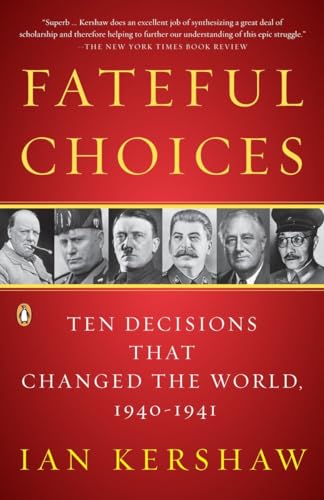

Topic: The pivotal decisions that shaped WWII’s trajectory.
Kershaw analyzes ten crucial decisions made by Hitler, Churchill, Roosevelt, and Stalin in 1940 and 1941. From Hitler’s invasion of the Soviet Union to Roosevelt’s aid to Britain, these decisions shaped the war’s course and outcome. Meticulous research and analysis reveal the razor’s edge of wartime leadership between victory and disaster.
27. Operation Barbarossa and Germany’s Defeat in the East – David Stahel
(Non-Fiction, Military Strategy)
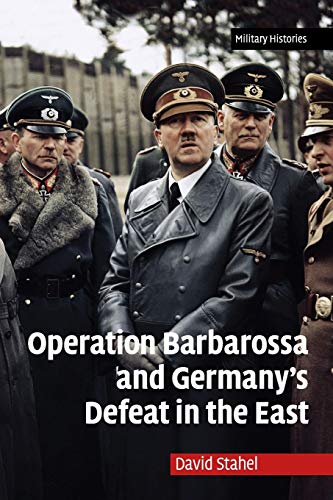
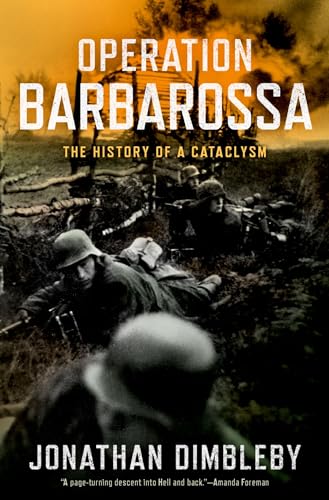


Topic: Nazi Germany’s failed invasion of the Soviet Union.
Stahel challenges the prevailing view of Operation Barbarossa. He states Germany’s defeat was already preordained many months before the invasion. The book goes into depth on the logistical shortcomings of the German Army, the Soviet countermeasures, and the Wehrmacht’s overextension, which is why Hitler’s bet on the East was a fatal one. The book offers a new analysis of why Germany’s war of annihilation became the seed of its destruction.
28. All Hell Let Loose: The World at War 1939-1945 – Max Hastings
(Non-Fiction, Global War Overview)
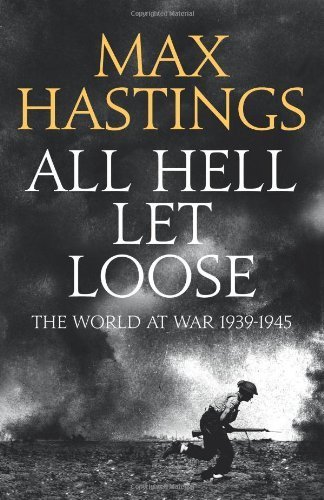


Topic: A comprehensive history of WWII from multiple perspectives.
Hastings offers a panoramic, riveting account of the war on all fronts. He includes personal vignettes of soldiers and civilians. Still, he focuses relentlessly on the vast human suffering on all sides of all fronts of the war, from the eastern front to the Pacific. He balances detailed descriptions of strategy on the grandest scale with human interest, creating a moving, graphic, and accessible book.
29. The Battle of Britain: Five Months That Changed History; May-October 1940 – James Holland
(Non-Fiction, Air War History)


Topic: The aerial battle that prevented a Nazi invasion of Britain.
Holland covers the five months in which the RAF and German Luftwaffe fought for control of the skies above Britain. He explains the strategy, technology, and human factors that led to the outcome of the battle and debunks many myths. He provides a fascinating insight into what was at stake and the bravery of the men who saved Britain from invasion.
30. A Writer at War: Vasily Grossman with the Red Army 1941-1945 – Vasily Grossman
(Non-Fiction, Eyewitness War Journalism)
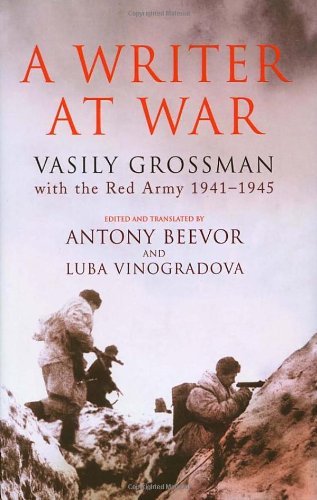
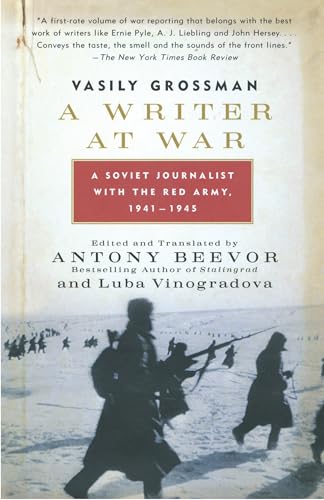

Topic: A Soviet war correspondent’s frontline experience.
Journalist Grossman traveled with the Red Army and witnessed some of the bloodiest battles of WWII, including Stalingrad and the liberation of the concentration camps. His reportage is suffused with the horror, bravery, and heartfelt emotion of the men and women at war. A priceless record of the Soviet war experience, it is both a military history and an intimate diary.
31. No Birds Sang – Farley Mowat
(Non-Fiction, Memoir)



Topic: A Canadian soldier’s firsthand account of the Italian Campaign.
Mowat’s memoir details his time as a young officer in the Canadian Army, taking part in the gruelling battles for Sicily and Italy. It differs from many war memoirs by mixing realism with dark humor, depicting the fear, fatigue, and brotherhood of frontline soldiers. The book is a moving meditation on the costs of war, the loss of innocence, and the emotional toll on those who fight.
32. The Last Stand of the Tin Can Sailors – James D. Hornfischer
(Non-Fiction, Naval History)
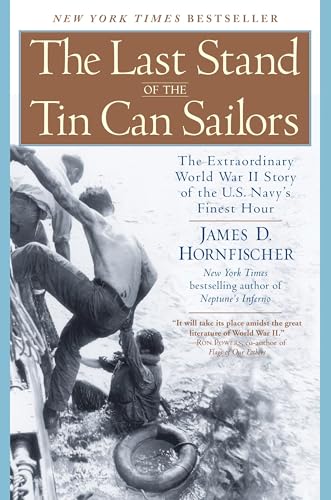


Topic: The Battle off Samar and the heroism of outgunned U.S. sailors.
In Out of the Ashes, Edihe Hornfischer chronicles the true story of a lone U.S. Navy task force that set out to engage a vastly superior Japanese fleet in the Pacific. Dangerously outgunned, outmanned, and outmaneuvered, a handful of destroyers, destroyer escorts, and escort carriers made a stand and, by the skin of their teeth, prevented what was sure to be a slaughter. With the courage, heroism, and ingenuity of ordinary men under fire, the men of these straggling ships not only inflicted significant damage but also marked an inflection point in American history. Hornfischer does a great job of telling their story and bringing these men to life.
The 25 best WWII books are a treasure trove of history and humanity. From heart-stopping memoirs and gory battle accounts to reflections on strategy and diplomacy, these books illuminate every aspect of the conflict. Perusing this list, you’ll learn about the incredible resilience of common people, the weight of leadership, and the lasting consequences of important historical events.
Whether you’re fascinated by survival stories, interested in military strategy, or hungry for an understanding of human sacrifice, the 25 best WWII books will expand your horizons. Each of these works shines a light on a different facet of the war, and is certain to reveal both familiar and untold narratives.


Why wasn’t ‘The Last Stand of the Tin Can Sailors’ included in this list?
Thanks for your comment! We hadn’t come across The Last Stand of the Tin Can Sailors before, but after looking into it, we agree—it’s an incredible account of heroism and naval warfare. We’ve now added it to the list so more readers can discover this remarkable story. Appreciate the recommendation!