

Unraveling the Genius of Malik Ambar
 Reading Time: 15 minutes
 Malik Ambar, an Ethiopian slave who reached the pinnacle of military and political power in the Deccan, is among the most extraordinary figures in Indian history. His life story, brimming with audacity, wit, and an astute understanding of the political landscape, is a testament to his ability to influence and shape the politics of his time. From the shadows of enslavement to the throne of power, Malik Ambar’s journey is a saga of strategic brilliance and unyielding determination. Here are 12 intriguing facts about this remarkable personality.
Origins in Ethiopia: The Early Years of Malik Ambar
Malik Ambar was born as Chapu around 1548 CE in Harar, Ethiopia. Unfortunately, very little is known of his family, save that they were apparently of rather humble stock, as evidenced by the complete lack of historical records regarding his family. Trapped by slave traders at some point in his youth (a fate that many children and young adults in Africa at the time fell victim to), Ambar was then sold into slavery and shipped far from his homeland, his life experience radically altered in the process. In many ways, this was the start of the incredible journey from Chapu to Malik Ambar.
The fact that Ambar was originally Ethiopian is of some note and, indeed, key to the central story that will follow. The diversity of influences that would give rise to both his later techniques as well as his policy decisions can in large part be traced back to this early beginning, which helped forge in Ambar a resilience that few could match, while also providing him a singular adaptability that would be honed by the immense challenges he would face from such a young age.
From Baghdad to the Deccan: Malik Ambar’s Journey to India
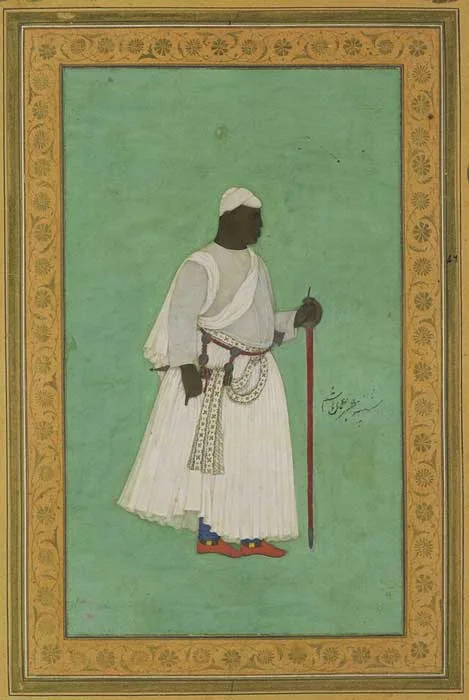
Malik Ambar’s journey from Ethiopia to India began with a significant event – his purchase by a merchant in Baghdad. This marked a turning point in his life as he was forced to embrace Islam and take on a new identity. The merchant, impressed by his potential, named him ‘Ambar.’ This period in Ambar’s life remains shrouded in mystery, but it is believed that he was sold several times in the Middle East before reaching the Indian subcontinent.
The identity of the merchant who bought Ambar remains unknown. However, it is documented that he introduced Ambar to Islam, possibly even providing him with an education in administration and military strategy. This phase of Ambar’s life was crucial, as the skills he acquired would form the bedrock of his future endeavors.
Ambar’s arrival in India was the result of his skills and potential being recognized by the local nobility or military commanders, who found him helpful. He was brought to the Deccan region, a dynamic and politically unstable part of India, where he would eventually rise to prominence. Ambar had ample opportunities to capitalize on the local conflict and the meeting of different cultures to advance his position with his military acumen and understanding of the region.
Malik Ambar: Military Genius leading 50,000 men
Malik Ambar was emancipated from his master by his wife when the former died. He eventually married and began his ascent through the ranks. The Sultan of Bijapur first employed Ambar and was thus given the title “Malik.” But over time, he felt he was not being treated appropriately and left his position in 1595 to join the Nizam Shahi army. It was for Ahmednagar that Ambar would forever be remembered.
In Ahmednagar, his ascent from slave to military leader began. Ambar possessed a remarkable knowledge of battle strategy and proved to be an able military leader. In time, Ambar rose to prominence in the Ahmednagar court, and by then he had become a leader in his own right, respected by his peers and the sultan.
Ambar, in his attempts to keep his kingdom safe from invasion, was known to practice unconventional warfare, as did the Deccan’s warfare tactics. With his exceptional grasp of warfare, he strategically deployed his cavalry to foil numerous enemy advances, most notably those of the Mughal Empire. He was successful in developing and training his army and eventually commanded a force of 50,000. This army consisted of mercenaries and local troops. Ambar is said to have brought in native recruits from as far away as Bengal.
In battle, he played a critical role in stopping the Deccan from being overrun by the Mughals and other invaders. He is said to have used guerrilla-style warfare to his advantage and knew well how to hold his ground even when outnumbered.
Malik Ambar is remembered for his military prowess and leadership. He was known for his effective use of battle strategies and tactics in holding his army together and keeping the enemy at bay. His position at the Ahmednagar court also gave him influence. Ambar also played a significant role in the administration of the kingdom of Ahmednagar, improving and enriching the kingdom in various ways.
Malik Ambar: Master of Guerrilla Tactics
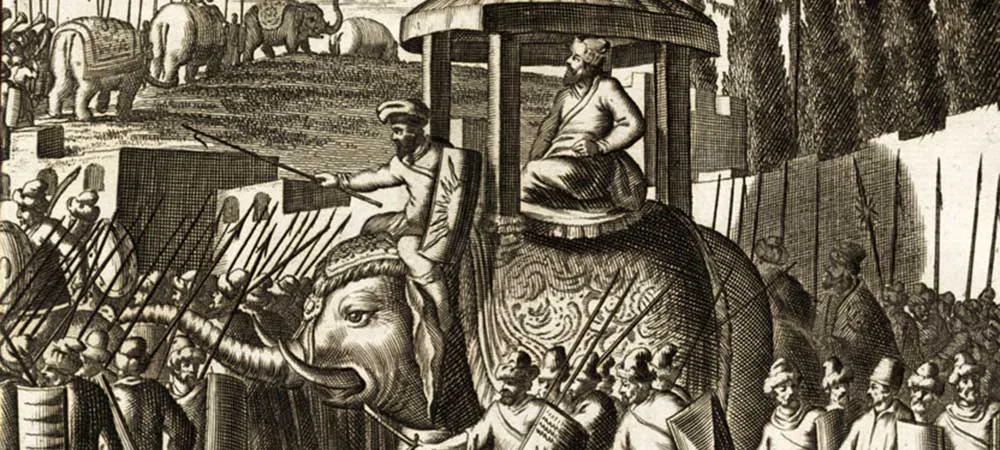
Malik Ambar is often regarded as a man whose most significant contribution to the military was the invention of guerrilla warfare, a concept new at the time. The revolutionary guerrilla warfare fought by Ambar against the Mughals was a defining characteristic of the marathas as a military force. It was an unorthodox style of warfare at the time and put forth a significant challenge to the mighty Mughals in the region. The primary guerrilla strategies were fast-paced attacks. The idea of guerrilla warfare was adopted to take advantage of the terrain and outsmart their enemies.
Malik Ambar innovated new methods of guerrilla warfare and revolutionary approaches to battle, fought with significantly less combat power than the Mughals. The combat strategies included exploiting geographical hindrances, such as taking over supply lines and communication systems. This move was at once fatal to the numerical strength that the Mughals had and ended in their failed attempts to capture the fortresses and places inhabited by Ambar.
One of the areas where his forces particularly excelled was in the battles of forts and jungles. The fighting included nocturnal attacks and raids into the territory they sought to expand. It also included a significant disruption of enemy resources. The unorthodox warfare was as much psychological as it was military, creating fatigue and insecurity in the Mughal army.
His guerrilla warfare changed the nature of warfare in the subcontinent and has since been adopted in various forms by many leaders and revolutionaries.


Malik Ambar: Thorn in the Side of the Mughals
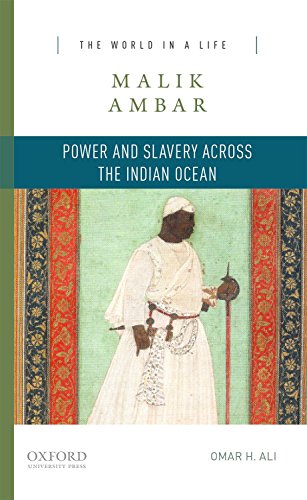
The period of Malik Ambar as the military leader of the Nizamshahi dynasty of Ahmednagar state is particularly famous for the armed opposition to the Mughals. Ambar demonstrated excellent acumen in his repeated battles with the Mughals, during which the Mughal emperor Jahangir personally considered him a significant rival. Ambar’s use of guerrilla warfare tactics often irked Jahangir and played an essential role in checking the further advances of Mughals in the Deccan.
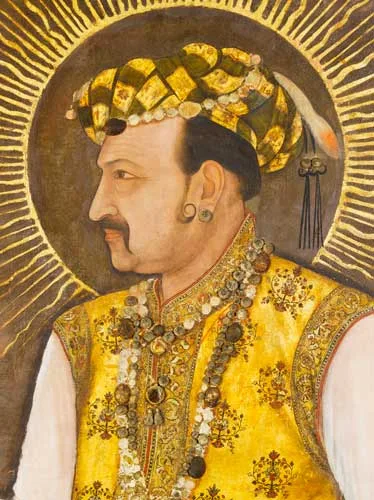
Ambar’s military strategy and tactics, especially his fast cavalry movements and guerrilla warfare, were ahead of his time. These played a critical role in victories such as the Battle of Balapur in 1601, where his forces defeated the Mughals. His strategies had not only material but also psychological impacts as the victories improved the morale of the Deccan troops and played a critical role in maintaining the independence of the Deccan Sultanates from Mughal control.
The battles of Malik Ambar, therefore, established the precedent for mobile and guerrilla warfare, unprecedented in the Indian subcontinent at the time. Ambar’s use of the landscape and his effective deployment of the Maratha light cavalry enabled him to wage a war that kept forces several times his size at bay. Mobile warfare not only caused heavy casualties among the Mughals but also disrupted their supply lines, demoralizing the Mughal forces.
The defense of the Deccan by Malik Ambar against the Mughals was critical in maintaining the Deccan’s independence at a time when the Mughal Empire was militarily and politically at its zenith in India. Malik Ambar has remained a respected figure among his contemporaries and adversaries alike, and military historians and strategists have analyzed his legacy for many years.
Malik Ambar: The Unofficial Sovereign of Ahmadnagar
Malik Ambar is considered a de facto ruler of the Ahmadnagar Sultanate. He never formally ruled as a king or Sultan, but he effectively had the power and authority to do so. During the latter half of the 16th century and the early 17th century, he was the de facto ruler of the Ahmadnagar Sultanate. He was a prominent figure in the administration and in the Sultanate’s military campaigns. Malik Ambar’s influence in the region was considerable, and he played a key role in resisting the Mughal Empire’s attempts to annex the Sultanate.
In addition to his military campaigns, Malik Ambar was also known for his administrative abilities. He made significant improvements to the state’s revenue system and infrastructure. He is credited with developing an efficient system of revenue collection, which increased the wealth of Ahmadnagar. Malik Ambar also established a network of roads and fortifications, thereby improving the region’s defense and promoting trade and commerce.
Malik Ambar was an influential figure in the region and maintained his influence by serving as a protector and advisor to the Sultanate. He was a close confidant of the young Nizam Shahi sultans, and he often acted on their behalf. Under Malik Ambar’s leadership, the Ahmadnagar Sultanate resisted becoming a vassal of the Mughal Empire and remained a powerful force in the Deccan region. Malik Ambar’s legacy as a leader who effectively combined military strategy with administrative skill has been well remembered.
Malik Ambar: Founding Father of Modern Aurangabad
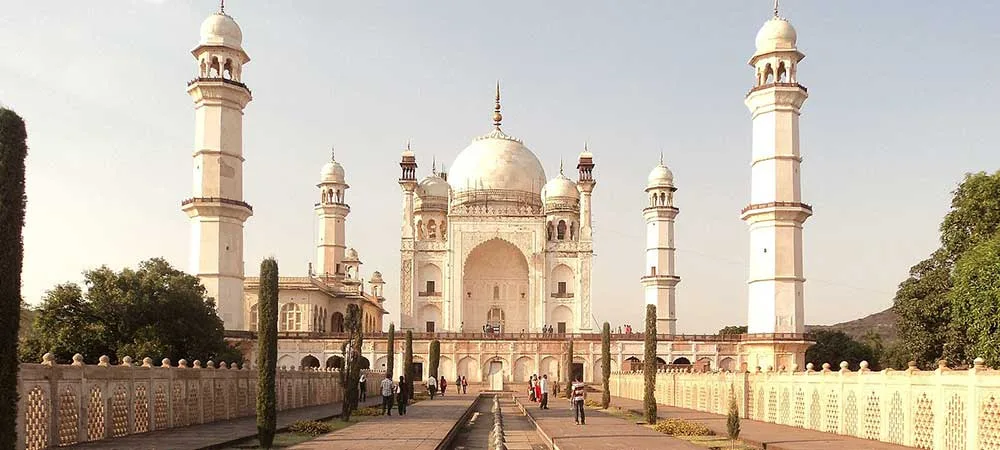
Malik Ambar was not only a tactical genius but also an astute urban planner and administrator. The most lasting of his legacies was his development of Khadki into a center of power. He established Khadki as the capital of the Nizamshahi kingdom and transformed it into a city of great importance. The city was located in the Deccan, and as such, was a strategically important region. He founded the city of Khadki and envisioned it as a fortified city that could serve as both a military base and an administrative center.
He quickly set to work expanding and developing the city. The city had a well-developed infrastructure and many impressive architectural projects that would later be expanded upon by other rulers. In his time, Ambar was responsible for establishing and developing the city’s core structure, which would eventually become Aurangabad.
This area was later renamed Aurangabad by the Mughals, after the Mughal emperor Aurangzeb who, like his grandfather Akbar, realized its potential as a center of military logistics and regional trade.
Ambar planned the city with a focus on water management, including various public buildings, markets, and residential areas. His vision and policies led to the city’s growth into a commercial and administrative hub, laying the foundation for the modern city of Aurangabad. His leadership helped shape Aurangabad into a significant city in the subcontinent, known for its economic and cultural vitality.
Malik Ambar’s Innovative Water Management Legacy
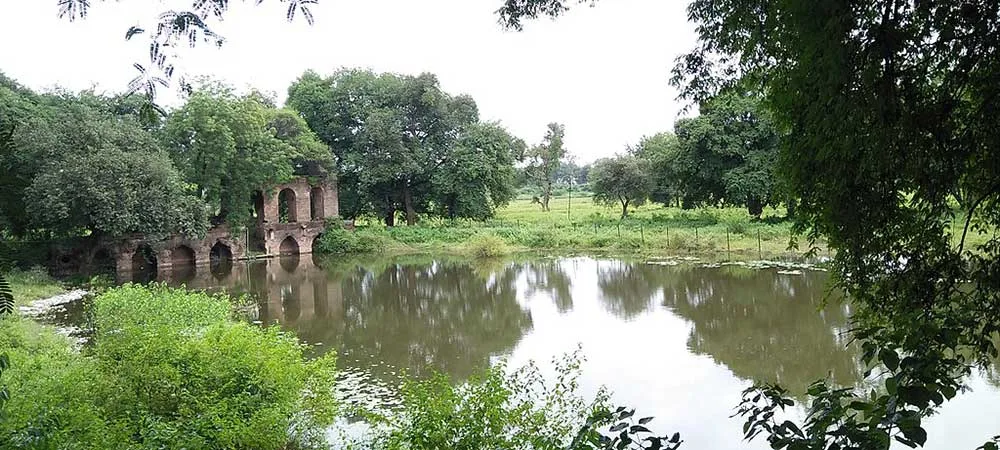
In addition to military conquests and urban development, Malik Ambar was also noted for his innovative approach to environmental management. He developed a sophisticated water management system to support agriculture. This included the construction of dams and canals, as well as the creation of a network of reservoirs to facilitate irrigation. This network brought water to previously dry, unproductive areas of the Deccan, enabling the cultivation of crops and the expansion of arable land.
The irrigation system enabled a reliable food supply and also contributed to the region’s economic stability. With improved irrigation, farmers were able to grow more than one crop per year, thereby increasing agricultural productivity and helping feed the growing population. Malik Ambar’s strategic use of water resources highlights his understanding of the importance of resource management in sustainable development.
Malik Ambar’s efforts in water management are remembered for their long-term impact, as they set a standard for future leaders in the region. His water management systems have had a lasting influence on agricultural practices in and around Aurangabad, even into the present day.
Malik Ambar: Champion of Agricultural Improvement
Malik Ambar placed great importance on agriculture and took significant steps to promote it during his rule. He introduced new farming methods and expanded irrigation systems to increase agricultural productivity in the Deccan region. This not only stabilized his rule but also endeared him to his subjects.
His policies encouraged the cultivation of new crops, the adoption of crop rotation, and the use of improved farming tools, leading to higher farm yields and greater sustainability. He also promoted the cultivation of cash crops in demand in local and international markets, contributing to the region’s economic prosperity.
Malik Ambar recognized the importance of a strong agricultural sector to his subjects’ overall well-being. He took proactive steps to ensure food security and the development of a prosperous agrarian economy by fostering agricultural advancement and laying the foundation for its growth.
These measures were part of his broader approach to governance, which focused on the welfare and prosperity of his people.
Malik Ambar: Architectural Visionary and Economic Stabilizer
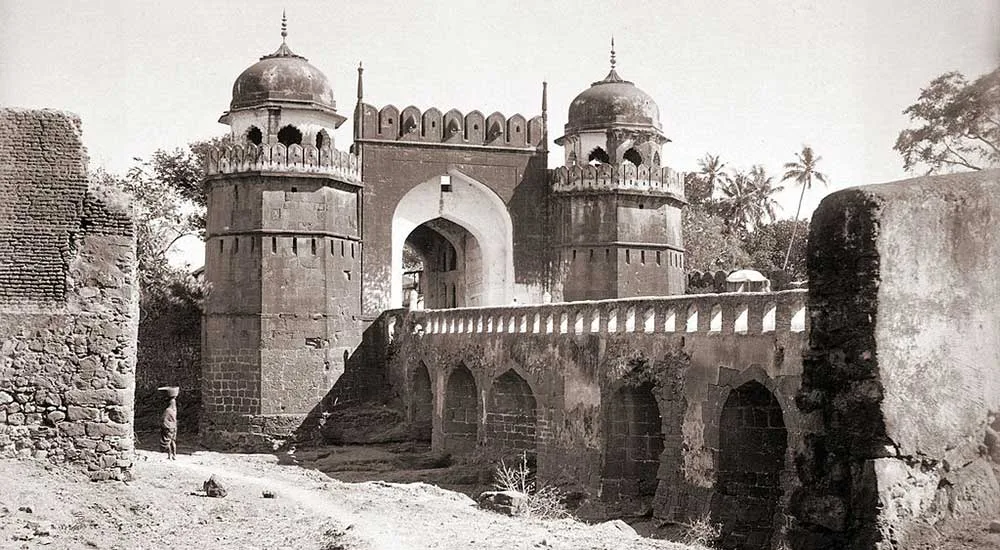
Malik Ambar’s rule was characterized by significant developments in architecture, showcasing his patronage and attention to detail. As the effective ruler of the Deccan region, he invested in various architectural projects that left a lasting impact, especially in Aurangabad, which was known as Khadki during his time. The monuments and structures commissioned by Ambar reflect a unique style that combines elements of indigenous and Persian architecture, contributing to the city’s distinct identity. This section explores the architectural contributions during his reign and their implications.
The architectural projects initiated by Malik Ambar were not just expressions of artistic and aesthetic sensibilities; they also responded to the functional needs of a burgeoning state. Under his rule, Aurangabad became a city with broad streets and well-organized markets, conducive to trade and commerce. The buildings, whether administrative or residential, were part of a larger vision to create an urban space that reflected the power and vision of his rule.
The construction projects during Ambar’s administration were closely linked to his economic policies, which focused on stability in a region that had experienced frequent disruptions from conflicts. By channeling resources into architecture and construction, Ambar not only provided employment but also stimulated ancillary industries related to construction materials like stone, lime, and timber.
Economic considerations were crucial in Ambar’s governance, and this extended to his architectural projects. Ensuring that his subjects’ financial conditions were not adversely affected by these grand constructions was a priority. Policies that promoted market stability and encouraged trade were implemented, further supporting architectural and infrastructural development. The architectural heritage from Malik Ambar’s era, which still stands robustly in present-day Aurangabad, is a testament to his vision of blending aesthetic grandeur with economic pragmatism.
The Twilight Years of Malik Ambar
In the twilight years of his life, Malik Ambar, despite his previous triumphs, began to encounter more resistance and challenges. The Mughal Empire, particularly under Emperor Jahangir, was exerting greater pressure, and Ambar’s position was becoming increasingly precarious. His forces, though still formidable, were beginning to suffer significant setbacks as the Mughals, under capable leadership, gained the upper hand.
The Mughals started to turn Ambar’s allies against him and disrupt his supply lines, weakening his hold on the region. Internal strife and succession issues within the Nizamshahi dynasty also contributed to a decline in the state’s stability and effectiveness. As his influence waned, Ambar found it increasingly difficult to muster the widespread support necessary to launch a sustained counter-offensive against the Mughals.
Ambar died in 1626, his death marking the end of an era in Deccan politics and opening the way for the eventual Mughal expansion into the region. Malik Ambar’s fall from power serves as a poignant reminder of the transient nature of power and influence in the politically tumultuous landscape of 17th-century India. His story, however, does not end with his decline and death. The impact of his policies and military innovations had long-lasting effects on the region, and his rise from a slave to a king remains a legendary tale, immortalizing his name in history.
The Enduring Legacy of Malik Ambar
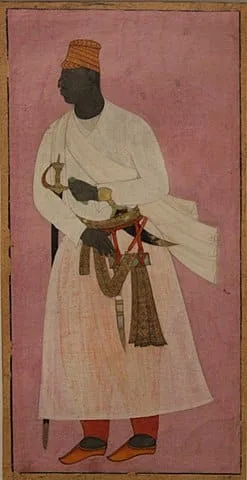
Malik Ambar’s military and administrative strategies significantly impeded Mughal expansion during his lifetime. His introduction of guerrilla warfare and fortification of Ahmadnagar posed serious challenges to the Mughals, who had to contend with a highly mobile and elusive enemy. This legacy of military innovation and local warfare would later influence the rise of the Maratha Empire. This state frequently employed similar tactics in its own conflicts with the Mughals. The Marathas, under leaders like Shivaji, would continue to resist Mughal authority, employing strategies shaped in part by Ambar’s influence.
The regional strategic landscape was also altered by Ambar’s deep understanding of the local terrain and his emphasis on intelligence and mobility. These aspects of his military doctrine would be emulated and adapted by the Marathas, whose successes against the Mughals were, in part, a continuation of Ambar’s tactical legacy. The effectiveness of these strategies contributed to the eventual weakening of Mughal power in the Deccan, setting the stage for the rise of regional powers like the Marathas.
Ambar’s approach to governance, particularly his focus on administrative efficiency and economic development, contributed to a period of relative stability and prosperity in the Ahmadnagar Sultanate. By improving irrigation and agricultural output, he ensured that the Sultanate could sustain itself economically despite the ravages of continuous warfare.
This emphasis on civil governance and economic resilience had a lasting impact, as it not only improved the lives of his subjects during his reign but also left a legacy of effective administration that would be admired by future generations.
In contemporary India, Malik Ambar is revered for his military strategy and statesmanship. His leadership and administrative reforms have left a lasting legacy that continues to inspire pride and interest in the Deccan region. As a historical figure who successfully resisted one of the most powerful empires of his time, Ambar’s life and achievements continue to captivate people and charm them long after his death.