
Influential Women: The 20 Most Powerful Queens in History
 Reading Time: 25 minutes
 The 20 Most Powerful Queens of all Time will show you that history has never been just about kings. From every era and region in the world, there were women who sat on thrones and had absolute power over nations. They raised armies, dictated foreign policy, changed the law, and shaped states that endured beyond their lives. Some were crowned queens and ruled in their own right. Others exercised enormous power from positions within a court.
These are the women who prove that history isn’t always as it seems. Their legacies demonstrate that authority was granted to those who knew how to take it, whether man or woman. It depended on ability, circumstance, and legitimacy.
Here are 20 queens who impacted the world through the decisions they made. Rulers who expanded their territory through military might and politics. Leaders who negotiated with beauty and tact. Visionaries who reformed their government and solidified their rule through infrastructure and institutions. Powerful queens that altered religion, economies, landscapes, and cultures around the world. Learn about their stories and let their accomplishments speak for themselves.
The 20 Most Powerful Queens in History

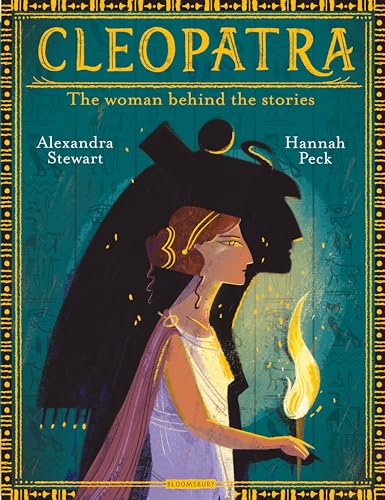
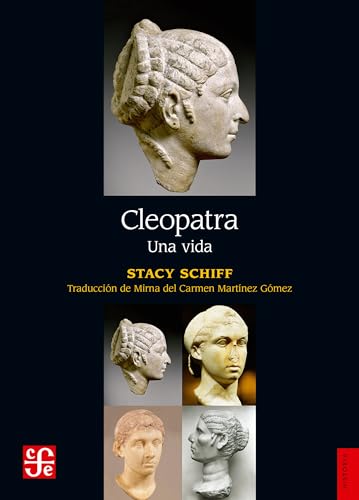
Cleopatra VII: The Last Pharaoh of Egypt
Reign as Queen of Ptolemaic Egypt: 51–30 BCE
Spouse: None (partners included Julius Caesar and Mark Antony)
Legacy: Preserved Egyptian independence for a time; shaped Roman power politics during the Republic’s collapse
Birthplace: Alexandria, Egypt
Cleopatra inherited a rich kingdom and a dangerous situation. Egypt had long depended on the sale of grain, hard currency, and strategic ports to stay rich, making it an essential part of the Roman empire. As such, its queen was both a target and a prize. Cleopatra turned to politics. Establishing herself as an authoritative monarch rather than a client ruler meant exercising court intrigue, diplomacy, and pageantry to appear stable within Egypt while seeking advantageous arrangements outside of it.
Key to her political efforts were her liaisons with Julius Caesar and later Mark Antony. Cleopatra’s alliances with these Roman leaders were more than romantic affairs. By binding herself to the most powerful men in Rome, she secured political allies with the means to defend Egypt’s interests. She bought time; enough time that Egypt maintained its independence far longer than many of her contemporaries.
That longevity was also due to her economy. Egypt’s grain and wealth gave Cleopatra additional agency in an ancient world powered by swords and debts. Still, as Rome plunged into turmoil, her choices grew more limited. After Octavian emerged victorious over Antony, Cleopatra fell from power as well, and the Ptolemaic dynasty fell. Her efforts to maintain Egypt’s independence as a Mediterranean power offer an example of when, where, and how to leverage resources against more dominant forces.

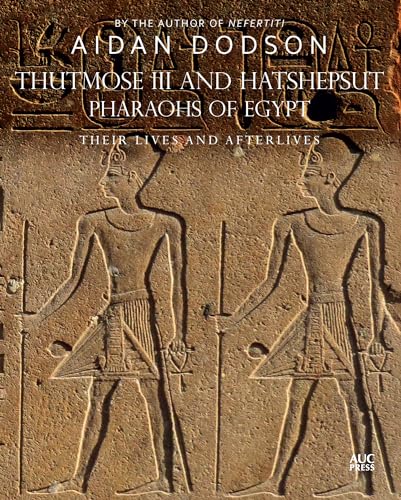
Hatshepsut: Egypt’s Builder-Pharaoh
Reign as Pharaoh of Egypt: c. 1479–1458 BCE
Spouse: Thutmose II
Legacy: One of Egypt’s most effective rulers; expanded trade and wealth through Punt; monumental building program that strengthened royal legitimacy
Birthplace: Thebes, Egypt
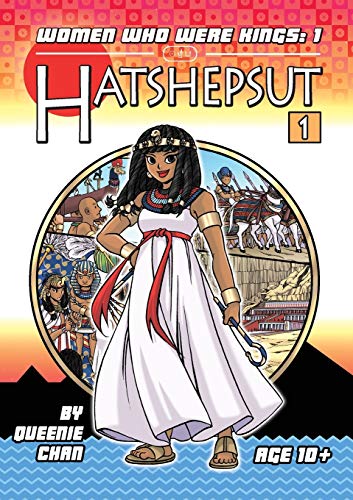
Hatshepsut came to power at a time when a male successor would have been favored. Instead, she became pharaoh openly, ruling assuredly. She established her legitimacy through ceremony, language, and imagery that spoke of her kingship being proper and ordained by the gods.
Under Hatshepsut, Egypt accrued riches from trade expeditions, especially one to the land of Punt. Reliefs depict this voyage’s return ship laden with treasures: amphora of incense, ebony trees, animals, and goods of exotic wonder. Trade brought Egypt wealth, but in public culture, it also enabled Hatshepsut to present herself as a provider. This expedition served not only as an economic initiative but as a propaganda piece: if Egypt prospered under Hatshepsut, surely the gods had endorsed her.
Trade expeditions weren’t Hatshepsut’s only political constructions. The buildings she commissioned throughout her reign helped make her order seem stable and godly. Her mortuary temple at Deir el-Bahri was politically potent at first glance. From its enormity to the colonnaded halls echoing with the language of kings to its position carved into the holy mountain—Hatshepsut tied her legacy to Egypt itself, writing her name into the stones of the gods.


Wu Zetian: China’s Only Woman Emperor
Reign as Emperor of China: 690–705
Spouse: Emperor Gaozong of Tang
Legacy: Only woman to rule China as emperor; reshaped the imperial system; expanded merit-based governance and strengthened central authority
Birthplace: Wenshui, Shanxi, China
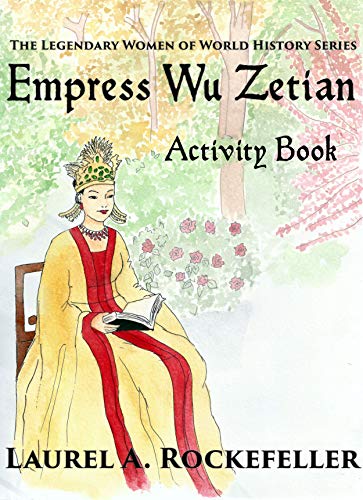
Born into courtly life, Wu eventually became the most powerful person in Tang China before making history by ascending the throne in her own right. Having established her own Zhou dynasty in 690, Wu shattered the notion that women were only fit to serve as empresses-regent or power brokers from behind the throne. She wielded supreme power through cunning, dominance over the royal court and the elite, and simply outlasting rivals.
In addition, Wu centralized the Chinese state further by promoting officials based on talent rather than noble pedigree. She increased the size and prominence of the civil service examination system to create bureaucrats that were indebted to the throne instead of great clans. She built a strong following within the bureaucracy while enhancing central control over a political landscape dominated by aristocratic families.
Beyond her innovations, Wu’s seizure of power was total. Through propaganda, patronage, and reform, Wu framed her regime as legitimate and capable. Though vilified by posterity, her political legacy ensured that the structures put in place during her reign – an efficient centralized government staffed by talented officials – long outlived her dynasty. Wu Zetian didn’t just take power as China’s only female emperor; she changed how China was governed.

Empress Theodora: The Power Behind Byzantium’s Throne
Reign as Byzantine Empress: 527–548
Spouse: Emperor Justinian I
Legacy: Key co-ruler who shaped policy and court decisions; decisive leadership during the Nika Riots that helped preserve Justinian’s regime
Birthplace: Constantinople, Byzantine Empire (Modern day Turkey)
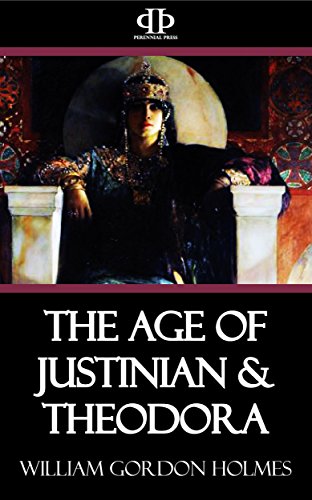
Born into humble origins, Theodora became empress through her marriage to Justinian. She was also far more than his figurehead queen. Sources from the era describe her as cunning, assertive, and active in the court’s political affairs. Theodora had her own ministers and advisors and influenced the balance of power within the Byzantine government during a time when the Christian church played a major role in politics and popular opinion could erupt into violence in the streets of Constantinople.
Procopius remembers her words as she convinced Justinian to stay put during the Nika Riots of 532: “Royalty is a fine burial shroud.” She gave him the courage to stay in his city during a revolt that threatened to kill him. It allowed Justinian to regroup and solidify his rule once the riots had been put down.
Beyond attending to the daily affairs of state and using her power of patronage to favor allies and frustrate enemies, Theodora had great influence over religious matters and social policy. Within the Byzantine hierarchy, whoever gained access to the emperor and empress could win any political argument. This power alone secures Theodora’s legacy as one of the most effective women leaders of the empire.

Empress Irene: The Woman Who Ruled Byzantium Alone
Reign as Byzantine Empress (Regent and Sovereign): 780–802
Spouse: Emperor Leo IV
Legacy: Ruled in her own name; reshaped imperial politics; restored the veneration of icons during the Iconoclasm controversy
Birthplace: Athens, Byzantine Empire (Modern day Greece)
Marriage brought Irene to the imperial throne, but political acumen allowed her to remain. Leo IV’s widow, Irene, took the throne as regent of her son Constantine VI. She immediately demonstrated that she was capable of manipulating factions, appointments, and palace intrigue against her detractors. In the imperial court, where legitimacy was questioned every day, Irene relied on alliances and patience to maintain power.
Irene is most notable for her religious actions as emperor. At the height of the violent Iconoclasm controversy, Irene advocated restoring icon veneration as orthodox. Irene steered the empire back toward the acceptance of image veneration across most of society. The church convened the Second Council of Nicaea in 787 and confirmed the veneration of images as orthodox doctrine.
In 797, Irene became empress in her own right, seizing power away from her son. It was unprecedented for a woman to rule as sovereign in the Byzantine Empire. Ruthless, controversial, and frequently opposed, Irene made her mark on history by becoming an empress; she proved that a woman could act as an empress by taking the powers of an emperor unto herself.

Elizabeth I: The Virgin Queen and England’s Turning Point
Reign as Queen of England and Ireland: 1558–1603
Spouse: None
Legacy: Stabilized England’s religious settlement; strengthened the state; oversaw the rise of English sea power and the cultural flowering of the Elizabethan era
Birthplace: Greenwich Palace, England
Elizabeth became queen of a nation fraught with religious conflict and vulnerable to nations far stronger than it. The creation of a lasting religious settlement and political conformity enforced even in times of great tension brought domestic stability. Through the tactical use of patronage, advice, and propaganda, Elizabeth fostered an image of a stable monarchy after decades of drama. Elizabeth proved herself a careful risk calculator, often avoiding hard decisions until they became lucrative for England.
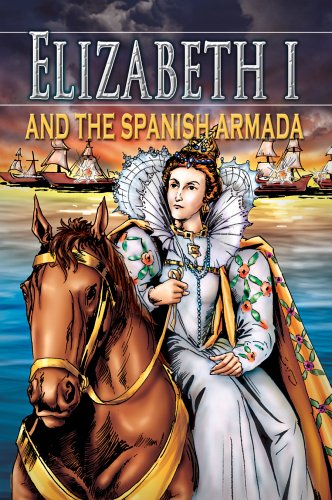
Elizabeth’s domestic strength allowed her to lead England on the global stage. Advancements in sea power through privateering, naval investment, and growing colonial ambitions meant that conflict with her world superpower counterpart, Spain, would test her already precarious nation. Rallying the English at Tilbury in 1588 as the Spanish Armada attempted to invade England, Elizabeth co-opted the idea of leadership as personal bravery: “I have the heart and stomach of a king.” Stopping foreign invasion became rebranding Englishness itself.
As England entered a new age of power, English culture was defined by an “Elizabethan” spirit of confidence. Theater, poetry, and literature thrived. London became a louder voice for English wealth and power. Elizabeth proved herself less powerful through war than she did through playing the game of survival: keeping England intact long enough for its institutions, ships, and cultural influence to dominate the world stage for generations.

Queen Victoria: The Symbol of a Global Empire
Reign as Queen of the United Kingdom: 1837–1901
Spouse: Prince Albert of Saxe-Coburg and Gotha
Legacy: Reigned during major imperial expansion; became the enduring symbol of Britain’s global empire; influenced politics and diplomacy through the monarchy’s power and family ties
Birthplace: Kensington Palace, London, England
Victoria ascended the throne as a youthful monarch, but her reign extended into an era. The nation industrialized rapidly, establishing colonies abroad and ruling what had become, through commerce, conquest, and crown rule, a global empire. Victoria herself—monarch, wife, mother—became a symbol, humanizing that immense structure. Associate words like duty, stability, and family with her name, and eventually “Victorian” became shorthand for an entire age of power and social evolution. Victorian influence could be vast, but change was never quite so simple or absolute.
The queen’s influence could be wielded by proxy. Constitutional limitations ensured she did not govern as an absolute monarch of medieval days, but she still had the capacity to affect politics through advice, patronage, and the informal authority of the throne. She was also queen through a network of family relationships. By intertwining Europe’s royalty through marriage, Victoria forged stronger connections between courts and presented herself as “the grandmother of Europe”, turning bloodlines into international relations.
Queen Victoria leaves behind a mixed legacy. Though she is synonymous with empire at its zenith, her rule was also marked by growing calls for change: laborers’ rights, economic reform, and national independence for subject peoples across the globe. Her personal power was great, but ultimately confined to her role as figurehead for an era. She could not dictate all policy, but she was the figurehead of an age when Britain’s power was immense and its effects became undeniable.


Catherine the Great: Russia’s Imperial Modernizer
Reign as Empress of Russia: 1762–1796
Spouse: Peter III of Russia
Legacy: Expanded Russian territory and influence through Black Sea access and the partitions of Poland; modernized governance and patronized culture, elevating Russia’s stature in Europe
Birthplace: Stettin, Prussia (now Szczecin, Poland)
Ascending to power in 1762, Catherine II immediately demonstrated her ability to effectively wield authority. Catherine saw herself as an enlightened ruler, sending letters and receiving replies from many influential figures of Western Europe. Catherine II also focused greatly on building up the institutions of the Russian government and society. She endeavored to bring Russia closer to what Voltaire imagined as true enlightenment: reformed administration, systematic laws, and more centralized provincial government.
Russian borders expanded exponentially under Catherine. Military conquests against the Ottoman Empire granted Russia more advantageous positions around the Black Sea and greater room to maneuver southward. Catherine was also involved in the partitions of Poland, allowing Russia to absorb most of its other neighbors and expand further west into Europe. Russia had secured a foothold as a dominant force in Eastern Europe.
By expanding education, amassing art, and cultivating Russia’s image through its institutions, Catherine solidified Russia’s reputation. The culture of St. Petersburg instilled awe and recognized Russia’s strength on the world stage. Russia would be feared for its military might and admired for its royal culture.


Maria Theresa: The Matriarch Who Rebuilt an Empire
Reign as Ruler of the Habsburg Monarchy: 1740–1780
Spouse: Francis I, Holy Roman Emperor
Legacy: Stabilized the Habsburg state after a succession crisis; centralized administration; reformed taxation, military organization, and education
Birthplace: Vienna, Austria
Maria Theresa’s accession to power was never smooth. When she inherited her domains in 1740, it was immediately disputed, plunging her into war as Europe tested the resolve of a woman to maintain control of the Habsburg territories. She dug in, built alliances, defended herself, survived, and used her political capital to start reforming her domains. It was only through fighting that she would demonstrate her legitimacy. If she could protect the patrimony, she could govern it.
Part of her effort to make the monarchy more secure involved recentralizing power. She demanded better bureaucratic organization, clear lines of authority and accountability, and consistent financial records. Taxation required reform: the status quo would not pay for another war. Maria Theresa didn’t see these changes as “modernization,” but as necessary improvements that would better allow her government to defend itself. Reform became its own battle cry: if the Habsburg monarchy could not raise money and field armies rapidly, it would lose wars regardless of how “legitimate” its cause was.
Many of Maria Theresa’s celebrated reforms affected how government and business were conducted on a day-to-day basis. Taxation became more efficient, and the military was standardized and professionalized. An educated class of bureaucrats was trained to replace old patriarchy-based power structures. Her changes allowed the Habsburg monarchy to better keep pace with powerful enemies and richer neighbors. By modern standards, she was only semi-successful, but her tenure stabilized her domains sufficiently for them not to collapse.



Isabella I: The Queen Who Forged a New Spain
Reign as Queen of Castile: 1474–1504
Spouse: Ferdinand II of Aragon
Legacy: Unified Spain’s power through dynastic partnership; strengthened royal authority; sponsored Atlantic exploration that launched Spain’s global empire
Birthplace: Madrigal de las Altas Torres, Castile (Spain)
Ascending to a throne that was disputed, Isabella I of Castile managed to transform her claim into one of statecraft. She began to centralize power away from the nobility, build upon administrative institutions, and reach out with strong arms throughout Castile. Together with Ferdinand, the couple established a dual monarchy that united two of the greatest crowns and set Spain on a path toward greater unity, while maintaining each kingdom’s institutions.
Rule and religion were forever changed under her influence. Supporting Catholic orthodoxy, Isabella’s policies enforced religious unity on the grounds that conformity brought political stability. This would come to shape Spanish identity for hundreds of years to come. Power at court, legal institutions, and the symbols of royalty itself coalesced to give the appearance of a more powerful, centralized monarchy than that of decades prior.
Deciding to sponsor Christopher Columbus in 1492 was perhaps Isabella’s decision with the most global consequences. Her investment enabled the Spanish colonization of the Americas and opened the floodgates of wealth, warfare, and further Spanish colonization. During her reign, Spain grew from a regional power to the engine of overseas empires. Isabella did not just rule Spain; she redirected history itself.

Queen Nzinga: Angola’s Master of War and Diplomacy
Reign as Queen of Ndongo and Matamba: 1624–1663
Spouse: None
Legacy: Resisted Portuguese expansion for decades through war and diplomacy; mastered shifting alliances to preserve sovereignty in Central Africa
Birthplace: Ndongo (in present-day Angola)
Emerging during a tumultuous period marked by Portuguese aggression and the burgeoning Atlantic slave trade, which threatened to upend Central African kingdoms and societies, Queen of Ndongo and Matamba, Nzinga, embodied and exercised her personal authority while also being pragmatic and adaptable to ever-changing political climates, making survival the hallmark of her statecraft. Instead of submitting to Portuguese demands, she resisted the expansion of Portuguese influence and the annexation of Ndongo, before maneuvering Matamba into a long-standing seat of power after Ndongo’s fall. Her resistance took place over years, not hours, and warfare was met with both militaristic and diplomatic strategy.
Faced with the might of Portuguese colonial power, she waged war and negotiated peace when it benefited her own agendas. Nzinga recognized that she could not defeat Portugal in a traditional military sense, but if she could stall for time through diplomatic maneuvering, she could use that time to gain tactical advantages. She pitted her would-be European conquerors against each other and her regional foes against her imperial neighbors to create competition among her enemies while she solidified her own rule.
Above all else, Nzinga excelled at forming and severing strategic alliances with neighboring groups. She supported rebellions when they benefited her and restored her own authority when she was betrayed. Her tenacity and ability to adapt allowed her to maintain independence far longer than her contemporaries believed feasible, solidifying her legacy as a leader who created an empire of perseverance in the face of adversity.

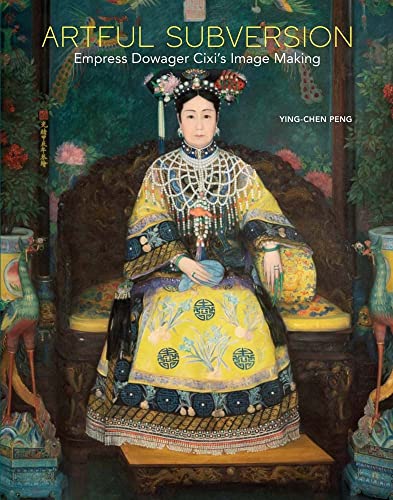
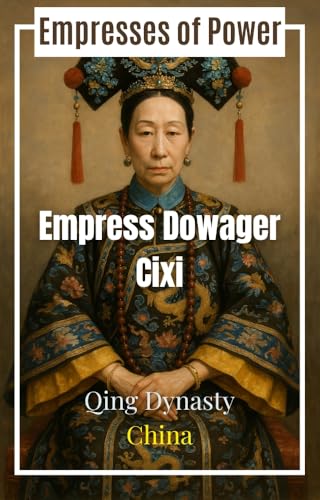
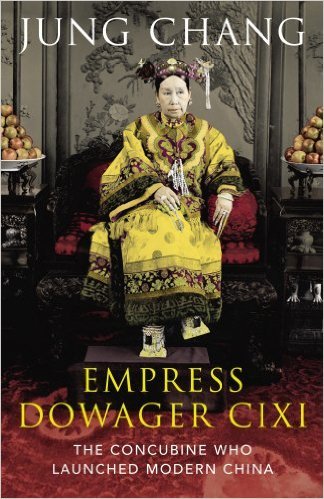
Empress Dowager Cixi: The Power Behind the Dragon Throne
Reign as Empress Dowager and de facto ruler of Qing China: 1861–1908
Spouse: Xianfeng Emperor
Legacy: Dominated imperial politics through court control; steered China through crisis and reform during the late Qing transformation
Birthplace: Beijing, Qing Empire
From imperial consort to autocrat in her own right, Cixi gradually became the most powerful figure in Qing politics following the death of the Xianfeng Emperor. Though several emperors occupied the throne during her time as regent, she held the keys to the court – the power to make and dismiss officials, read memorials, and grant audiences.
In an imperial system where personal access to the ruler often outweighed written statutes, Cixi’s influence enabled her to alter the course of daily politics rather than merely attempt dramatic changes during times of crisis. Though her reign was long and stable for someone in her position, it came at one of the most perilous times in the dynasty. International incursions, major internal rebellion, and serious budgetary problems placed the very survival of the Qing during her reign.
She often took hard-line stances, but could be equally prudent, manipulating factions within her court against each other while trying to maintain the state. She could be characterized as conservative, but conservatism had its advantages too: to stall for time, maintain your legitimacy, and avoid implementing widespread reforms that could alienate the ruling class. Cixi played a central role in many of the political debates of the late Qing reform period.
Even the reforms she tried to block could not stop the massive state-directed effort to strengthen China against foreign competitors through military, bureaucratic, and institutional modernization. She remains a controversial figure even today, but there can be no doubt as to her power. For nearly fifty years, all politics in China ran through her court.

Queen Anne: The Monarch Who United Great Britain
Reign as Queen of England, Scotland, and Ireland (and Great Britain after Union): 1702–1714
Spouse: Prince George of Denmark
Legacy: Reigned during the 1707 Acts of Union that formed Great Britain; oversaw wartime diplomacy and state-building during major European conflicts
Birthplace: St James’s Palace, London, England
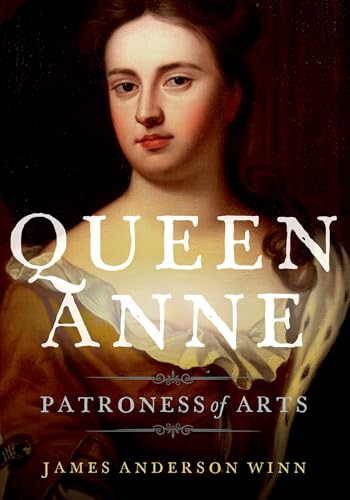
Anne’s reign was a period of constitutional and national transition. Through the Acts of Union of 1707, England and Scotland became Great Britain. The United Kingdom faced the challenges and opportunities of combined politics, commerce, and national identities. Anne was Queen of England, Scotland, and Ireland, but the first monarch of a united kingdom. Her reign grappled with union anxieties—disparate regions worried about representation in government, profits in trade, and loss of national identity.
One conflict in particular—the War of the Spanish Succession—required Britain to think like a great power. Anne’s diplomats sought allies, her administration traded for resources, and her government balanced competing interests at home while generals coordinated armies on the battlefield. Though military campaigns were directed by generals and ministers, the crown was a uniting factor through the strains of partisan conflict.
Perhaps Anne’s lasting legacy lies in what she unified. The Union provided a larger body politic with greater fiscal and naval capacity, while war led to stronger calls for administration and external ambition. Britain emerged from Anne’s wars more unified, more centralized, more powerful, and more politically involved across borders.



Queen Christina: Sweden’s Unconventional Power Broker
Reign as Queen of Sweden: 1632–1654
Spouse: None
Legacy: Guided Sweden’s great-power diplomacy in Europe; abdicated and converted to Catholicism, reshaping her alliances and global reputation
Birthplace: Stockholm, Sweden
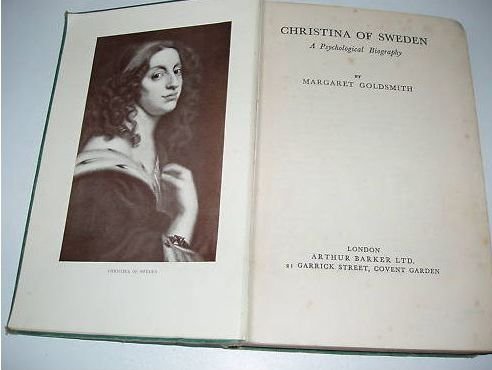
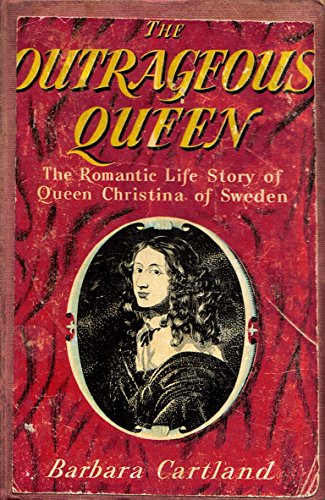
Christina ascended to the throne of Sweden as a child while Sweden was developing into a great power. As she grew up, she influenced policy development during the Thirty Years’ War and in the subsequent years of tense negotiation. Diplomacy flourished in her court, and Christina wielded patronage and personal power to craft an image of Sweden as a legitimate great power alongside its royal contemporaries.
Much of her political life involved the workings of alliances, peace negotiations, and shifting spheres of influence. With Sweden now standing as a victor among European powers, it had much territory to maintain. Christina’s actions both maintained Swedish territory and positioned Sweden among the changing alliances of Europe. She also promoted scholarship and the arts throughout her kingdom.
Christina abdicated the throne in 1654, converting to Catholicism in the process. Being Sweden was, and still is, a Protestant country; her conversion caused quite a stir throughout Europe. It allowed people to see that, despite the wars caused by religion, someone as powerful as Christina could change religions and alter the course of diplomacy. By abdicating, Christina lost the power of a monarch, but gained power in her autonomy.

Credit Line: Collection of Auckland Museum Tāmaki Paenga Hira, 1947.133, 29646
Nefertiti: Face of the Amarna Revolution
Reign as Great Royal Wife of Egypt: c. 1353–1336 BCE
Spouse: Akhenaten
Legacy: Central figure in the Amarna religious revolution; helped reshape Egypt’s state cult and royal art around the worship of Aten
Birthplace: Unknown (likely Upper Egypt)
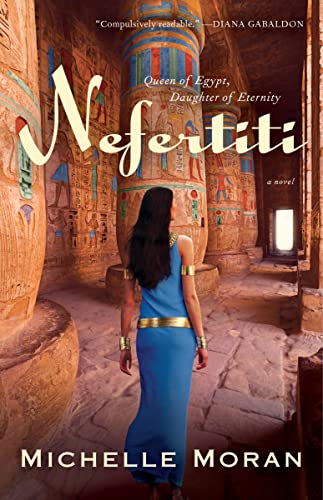
Nefertiti ascended to queenship during one of ancient Egypt’s most revolutionary periods. She was by no means a passive consort. Images and inscriptions provide evidence that Nefertiti played an unprecedented role in public ceremonies. Multiple representations of the queen appear in temples, performing worship rites or accompanying the king during royal rituals. The significance of these displays should not be underestimated; religion was a power in ancient Egypt, and during Akhenaten’s reign, Nefertiti was a visible force.
The religious reforms of the Amarna period sought to centralize Egypt’s religious focus around Aten. A significant aspect of this campaign was the royal family’s presence in public worship. The king and queen acted as intermediaries between Aten and the people. To elevate the legitimacy of their reign, Akhenaten cast himself and his queen in the role of devout followers—tying the stability of the throne to worship of one god.
Even the state-sponsored depictions of the royal palace were transformed: temples were remodeled or constructed to honor Aten; language used in court was revised to eliminate references to other gods; and rites and rituals were revamped to accommodate the new central god. Nefertiti played a prominent role in these displays, further solidifying the connection between the royal family and the new god.
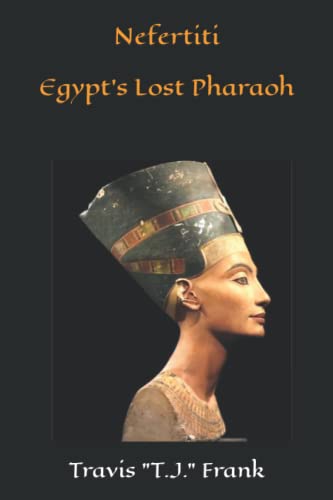
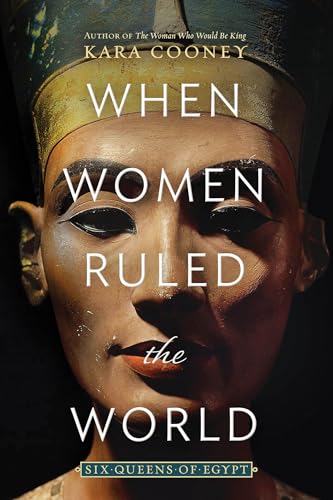
Ancient Egyptians are immortalized through art, and Nefertiti is no exception. The artists of Amarna developed a style that departed from the rigid and idealized conventions of previous kings. Amarna art is characterized by elongated bodies and facial features, as well as scenes of intimate family interaction that served a dual purpose of political propaganda and religious education. Modern audiences recognize Nefertiti through her iconic bust, perhaps the world’s most famous portrait of an ancient queen.

Queen Ranavalona I: The Iron Sovereign of Madagascar
Reign as Queen of the Kingdom of Madagascar (Merina Kingdom): 1828–1861
Spouse: Radama I
Legacy: Preserved independence by limiting foreign control during intense imperial pressure; centralized authority through strict internal policies
Birthplace: Merina Highlands, Madagascar
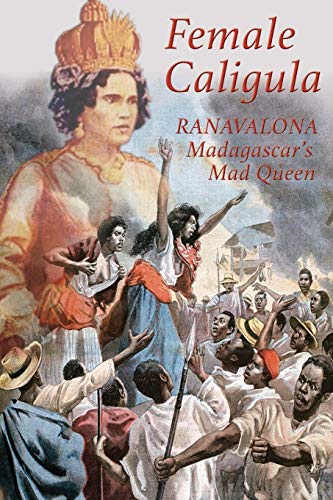
Ascending to the throne at a time of increasing foreign presence in the Indian Ocean and competing claims over the future of Madagascar, Ranavalona the Mad Queen of Madagascar doubled down on control of diplomatic affairs and limited foreign leverage over Madagascar, particularly in areas such as missions, commerce, and political counsel, which threatened to impose external control over the internal development of the kingdom. Her reputation as a thoroughly reactionary ruler owes much to her defensiveness: Ranavalona treated the sovereignty of her nation as if it were threatened whenever someone so much as suggested any minor concessions, decades before her nation was actually threatened by invasion.
One of her means of attempting to limit foreign control over Madagascar was to limit foreign access to Madagascar and keep decision-making centralized in the court. While effective in limiting foreign involvement in Madagascar’s affairs, it also limited access to foreign technology and innovation. Such policies were expensive to maintain, but Madagascar would not be made into a client state on Ranavalona’s watch.
Domestically, Ranavalona centralized power in her court and exercised it through rigid regulations and repression. She expected obedience, demanded societal conformity, and suppressed domestic enemies and provincial opposition with the full force of state power. The extent to which she deserves blame for such excesses is subjective, but the effect she had is not: few leaders, male or female, of the nineteenth century could say they stood up to foreign intervention as stoutly from the throne of such a populous kingdom.



Mary I: England’s Catholic Restoration Queen
Reign as Queen of England and Ireland: 1553–1558
Spouse: Philip of Spain (later Philip II)
Legacy: Attempted a major Catholic restoration that reshaped English politics; tied England to Habsburg power through marriage diplomacy
Birthplace: Palace of Placentia, Greenwich, England
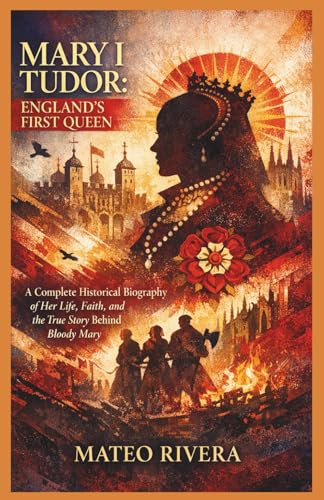
Mary ascended, determined to restore papal authority and Catholic ritual. It was her firm belief that only through these changes could England once again prosper. But restoration was more than ritual. Mary challenged assumptions about obedience, sovereignty, and law, raising questions about whether conscience or code would determine English Christianity.
Mary’s rule had long-term political consequences because her regime succeeded as a massive experiment in legislating and policing religious belief – and because the human costs of that enterprise helped to solidify a confessional identity among English Protestants. Even those who rejected Mary’s policy lessons could not avoid the harsh truth it revealed: that the state was powerful enough to try again to reorder English religious life.
Mary tied England into diplomatic dependence on the Habsburgs when she married Philip of Spain. This attempt to balance power dynamics among the nations familiar in Europe at the time made her intentions clear: England was now Catholic and would stand with Spain and other Catholic countries against the Protestants. The marriage itself was significant but ultimately would not sustain her desired religious image. Mary’s return to Catholicism ended with her death.

Queen Tamar: Georgia’s Golden Age Sovereign
Reign as Queen of Georgia: 1184–1213
Spouse: Yuri Bogolyubsky (divorced); David Soslan
Legacy: Led Georgia’s golden age through territorial expansion and cultural flowering; strengthened royal authority and elevated Georgia’s influence across the Caucasus
Birthplace: Georgia (royal court; exact location uncertain)
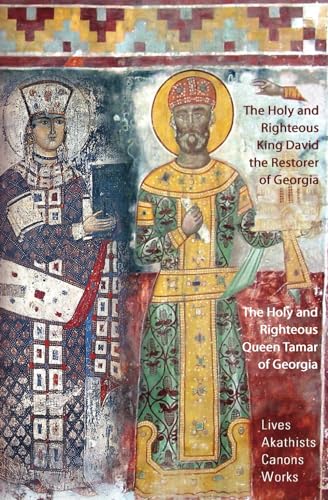
Born into a world skeptical of female leadership, Queen Tamar proved her critics wrong. She centralized power in the monarchy, reined in the nobility, and radiated order at home and ambition abroad. During her reign, Georgia emerged as a regional power, influencing diplomatic and military affairs throughout the Caucasus and beyond.
Georgia flourished politically and culturally during what is known as its “golden age” under Queen Tamar. Patronage of scholarship, literature, and the arts at court allowed Georgians to articulate a unified national identity with great self-confidence. Monarchs also bolstered the Georgian Church, tying divine influence to the public perception of the crown.
Military might helped Tamar cement her power and influence both domestically and abroad. Her military campaigns stretched Georgia’s reach farther than ever before. Diplomacy and strong leadership at home kept those gains together. By the time of her death, Georgia was wealthier, stronger, and more powerful than ever before.

Queen Liliʻuokalani: The Last Monarch of Hawaiʻi
Reign as Queen of the Hawaiian Kingdom: 1891–1893
Spouse: John Owen Dominis
Legacy: Enduring symbol of Hawaiian sovereignty under U.S. annexation pressure; her overthrow became a landmark case of imperialism and legal-political debate
Birthplace: Honolulu, Oʻahu, Hawaiian Kingdom
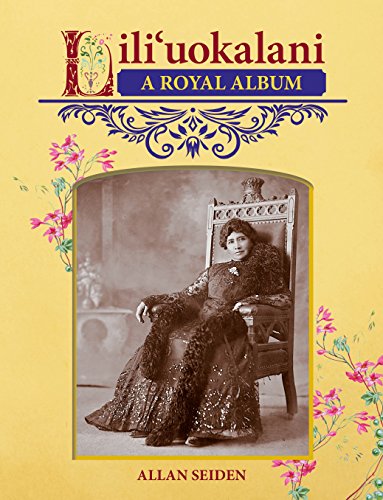
Inheriting her father’s political struggles against the growing influence of foreigners, who coveted Hawaii for its sugar, location, and perceived weakness, Liliʻuokalani aimed to protect the monarchy’s powers and the rights of Native Hawaiians. Promulgating a new constitution, which would restore power to the monarchy that had been stripped from her brother, was one of her first acts as monarch. Liliʻuokalani became the embodiment of sovereignty at a time when Native Hawaiian independence was being threatened both internally and externally.
After being overthrown at gunpoint with the support of the United States Minister John L. Stevens in 1893, she was replaced by a foreign-backed provisional government. Liliʻuokalani initially resisted what would certainly have become a battle at the expense of Hawaiian lives, but peacefully surrendered, saying, “I yield to the superior force of the United States of America.” Her letter of capitulation has been interpreted as both a protest and an affirmation of annexation. Her overthrow launched a decades-long debate over issues of international and United States law, legitimacy, and annexation.
Images of Liliʻuokalani continue to stand prominently in Hawaiians’ collective memory of the Hawaiian Kingdom, her leadership still informing Hawaiian politics today.

Empress Jingū: Legend and Legitimacy in Early Japan
Reign as Regent of Japan (traditional): early 3rd century (dates disputed)
Spouse: Emperor Chūai
Legacy: Foundational figure in Japanese royal tradition; her legend became a tool for political legitimacy and sacred kingship narratives
Birthplace: Traditionally associated with Yamato Japan (exact location uncertain)
Empress Jingū stands at the border of history and tradition. Early Japanese chronicles portray her as a ruler who guided the realm after Emperor Chūai’s death and governed as regent while carrying the future emperor. Because the earliest accounts were written down centuries later, historians treat many details as semi-legendary. Yet the power of her story is undeniable: it presents a woman as decisive, commanding, and capable of holding the state together at a formative moment.
In the traditional narrative, Jingū’s authority is tied to divine guidance and ritual legitimacy. That matters because early Japanese kingship was not only political; it was sacred. By linking a ruler’s actions to heaven-sanctioned signs, the chronicles helped explain why the Yamato line deserved obedience. Jingū’s legend, therefore, functions like a foundation stone: it teaches that the throne is protected, purposeful, and guided by forces beyond ordinary politics.
Later rulers benefited from this model. When a dynasty needs continuity, it leans on stories that make its origins feel inevitable. Jingū became one of those stories—a figure used to reinforce the idea that sovereignty could endure crisis, that the imperial line was protected, and that extraordinary leadership could appear when the realm needed it most. Even if her biography cannot be verified in every detail, her role in shaping political imagination is historically real.



Elizabeth II: Steadiness in an Age of Change
Reign as Queen of the United Kingdom and Commonwealth Realms: 1952–2022
Spouse: Prince Philip, Duke of Edinburgh
Legacy: Longest-reigning British monarch; symbol of continuity through decolonization, the Cold War, and rapid social change; reshaped the modern monarchy’s public role
Birthplace: London, England
Elizabeth II ascended to the throne towards the end of the Second World War. She presided over the decline of the British Empire and the rise of Britain as a multicultural hub. The crown’s power waned, and modern Britain changed beyond recognition. Yet Elizabeth remained constant. She was a constitutional monarch, and yet she mattered. She was there through Britain’s failures and its victories, its alarms and celebrations. She was reassuringly opaque at times when politics failed to reassure.
During her reign, the Commonwealth grew and changed. The crown came to represent the connection between newer independent countries and the older realms. Elizabeth knew the secret to her relevance as a modern monarch: her job was to serve and not to ask others to serve her. She weathered floods of media criticism and adaptation, royal family dramas, and public scrutiny by making tradition flexible through its management.
Her power was the power of softness. She famously described the year 1992 as her “annus horribilis”, allowing the public a peek behind the curtain of her dignity to acknowledge that things hadn’t gone quite to plan. Elizabeth saw three major phases of the late 20th century: the Cold War, globalization, and the digital age. By surviving through them all, Queen Elizabeth II’s political legacy was endurance.
The most powerful queens in history didn’t just wear crowns. They issued edicts that moved borders. They redesigned laws, changed religions, and re-balanced world powers for decades – even centuries – to come. Some conquered with armies. Some struck deals with words. Many did both. What these women have in common illustrates just how nuanced political power can be. It’s less about personality traits and more about circumstance, legitimacy, and knowing how to mobilize people and resources at crucial moments.
These were women who also showed us that influence can extend beyond a single lifetime. Across the world, their legacies lived on through monuments, institutions, treaties, and legends that impacted subsequent generations of leaders—for better or for worse. When patterned together, their stories paint a clearer picture: the world’s most pivotal moments were shaped not just by kings and emperors. They were shaped by queens who knew the rules of power. And by women who were brave enough to break them.


