
How Does the Vatican Elect a New Pope? A Step-by-Step Guide
 Reading Time: 7 minutes
 How Does the Vatican Elect a New Pope?
The election of a new pope by the Catholic Church is a process steeped in tradition, sacred rituals, and centuries-old procedures. Selecting the new leader of the Roman Catholic Church is one of the most critical events in the Catholic faith. A papal conclave has been held for nearly a thousand years to elect a new pope for the Catholic Church.
The pomp and ceremony surrounding the event have as much to do with religious reverence as they do with secrecy and mystery. The election takes place in the Vatican‘s hallowed halls and is deeply rooted in the Church’s commitment to tradition, faith, and the belief in divine guidance.
The moment a papacy becomes vacant, the Catholic Church begins an elaborate process to select its new leader. This guide will take you through the steps of a papal election, from the death or resignation of the sitting pope to the announcement of “Habemus Papam” on the balcony of St. Peter’s Basilica.
The Papal Vacancy: When the Seat Becomes Empty
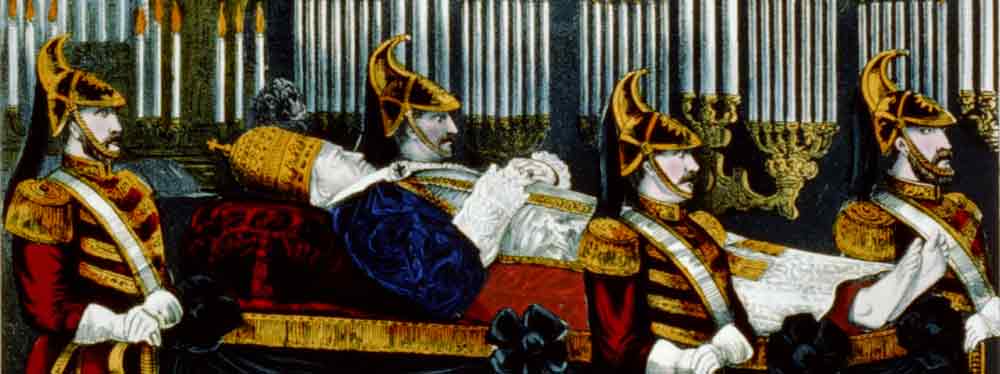
The papacy is vacant between the death or resignation of one pope and the election of his successor. The most recent papal resignation, that of Pope Benedict XVI in 2013, is a rare exception, the first since 1415. The vacancy of the see is declared by the Vatican’s Camerlengo, or chamberlain of the Church. The Camerlengo confirms the pope’s death or resignation.
If the pope has died, the Camerlengo then gently taps the pope’s forehead three times with a silver hammer and pronounces the pope’s birth name. If the pope does not respond, the pope is officially declared dead. The Camerlengo then retrieves the Fisherman’s Ring from the deceased pope’s fingers and smashes it, along with the papal seal, so that documents cannot be fraudulently issued in the pope’s name. In the case of papal resignation, the conclave to elect the pope’s successor would be announced after the fact.
The College of Cardinals is then called to Rome and the day of the pope’s death is used to make final preparations for the conclave. The cardinals spend nine days of prayer and mourning, called the Novemdiales, for the late pope, and to deal with immediate Church business and organize for the conclave. The period is also used for behind-the-scenes discussion among the cardinals to plan and strategize for the conclave.
The College of Cardinals: The Electors of the Pope
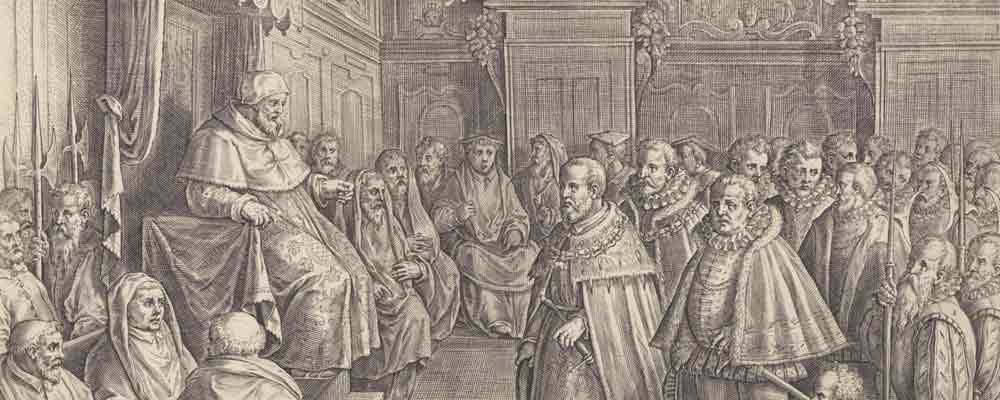
The cardinals are senior Church officials whom previous popes appoint. The cardinals elect the next pope from among their ranks. Only cardinals under 80 are allowed to vote in recent conclaves, a limit imposed by Pope Paul VI to ensure that active, currently serving Church leaders make the decision.
The cardinals come from all over the world and take a vow of secrecy about the conclave proceedings. This vow is meant to ensure the privacy and sanctity of the election process and to prevent external influence on the cardinals’ decision. Breaking the vow of secrecy is a serious offense in the Church and can result in excommunication.
The cardinals hold a series of meetings known as congregations before the conclave. These meetings are designed to discuss the Church’s needs and the qualities the next pope should have. They are crucial as they allow the cardinals to debate and form strategies for the election, including potential alliances that could sway the conclave’s decision. These meetings have historically been extended, sometimes for weeks, to ensure thorough deliberation on theological and administrative priorities.
Entering the Conclave: Tradition and Security

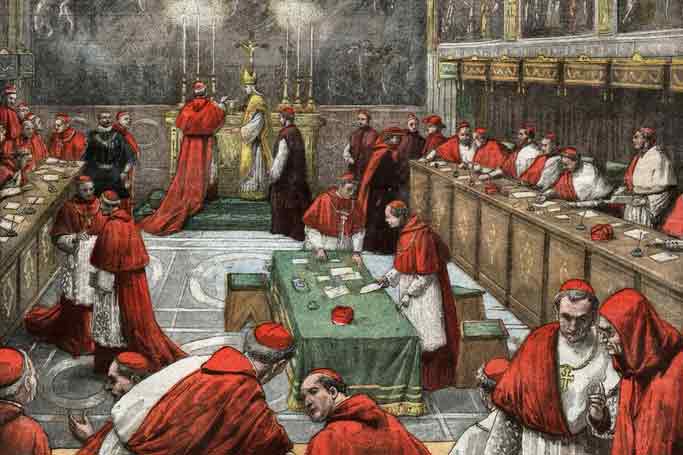
After the cardinals have entered the Sistine Chapel, they recite the Latin phrase “Extra omnes”—or “Everyone out!” in English. This ensures that all non-essential people leave the chapel. Once they do so, the chapel doors are shut, symbolizing the cardinals’ physical isolation from the outside world.
The security protocols are extensive. To avoid outside interference, electronic equipment is prohibited. Security sweeps the Chapel to make sure no listening devices have been planted. The Church makes special efforts to ensure the results of the vote don’t leak to the public. Cardinals are not allowed to speak to or communicate with anyone outside the conclave until a new pope is elected.
Within the conclave, the cardinals pray, fast, and vote. The seclusion is a period of deliberate reflection and waiting on the Holy Spirit. As the voting takes place, the conclave is cloaked in secrecy. This is because each cardinal must vote in the strictest confidence and privacy.
The Voting Process: Ballots and Scrutiny to Elect a New Pope
Ballots are cast in a process called scrutiny. Each cardinal fills out a ballot with the name of the individual for whom he casts his vote and drops it into a chalice that rests on the altar in the Sistine Chapel. The scrutineers check and count the ballots. After the votes have been cast, the cardinal electors place their hands over their hearts and recite an oath promising to do their best to elect the pope “whom God, in his greater wisdom, will inspire to be elected.”
For a candidate to become pope, he must receive a two-thirds majority of the votes. If this threshold is not met, the ballots are burned. Chemicals are added to the ballots so that the smoke produced when they are burned is either black (fumata nera) or white (fumata bianca). The black smoke rising from the chimney on the roof of the Sistine Chapel indicates that voting at this session has failed to produce a result.
The voting process can take place up to four times a day. On the day a pope is elected, there can be multiple ballots as the cardinals work toward a decision. When someone does receive the necessary two-thirds of the votes, white smoke rises from the chapel, signalling to the world that a new pope has been elected. This has been the way the public has been informed for centuries. Crowds assemble in St. Peter’s Square waiting for the white smoke to announce their new leader.
Acceptance and the Choosing of a Papal Name
When the votes are counted and the cardinals have elected a new pope, the Dean of the College of Cardinals approaches him and asks: “Do you accept your canonical election as Supreme Pontiff?” If the reply is positive, the new pope is asked to choose his papal name.
The name is then proclaimed to the cardinals, who in turn swear their obedience to him. A little later, the new pontiff is prepared to leave the Sistine Chapel for the first time as the head of the Roman Catholic Church.
The Vatican Announcement: “Habemus Papam!”
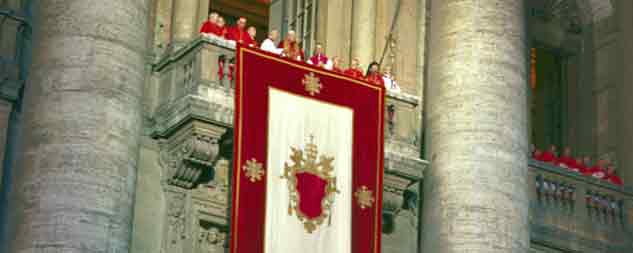
After the election, the new pope is taken to the Room of Tears, where he will put on his papal vestments. He then makes his way to the balcony of St. Peter’s Basilica, where the senior cardinal deacon will make the momentous announcement: Habemus Papam! – “We have a pope!”
The new pope then addresses the crowd and gives his first apostolic blessing, Urbi et Orbi – “To the City and the World.”
Conclusion
Beyond power and politics, the papal election is a spiritual journey anchored in history, faith, and the collective identity of Catholics worldwide. The conclave serves as a powerful symbol of the Church’s enduring traditions, its unwavering commitment to spiritual guidance, and the unity of believers.
As white smoke ascends from St. Peter’s Square and the bells of St. Peter’s Basilica resound, they echo not just the selection of a new pope but the timeless legacy and strength of the papacy itself.
In an era marked by change, the election is a bridge between the past and the future, reflecting the unchanging spirit of the Catholic Church. Through the ages of war, peace, and transformation, the papal election stands as a testament to resilience and faith, bringing together Catholics around the world in a moment of global anticipation and unity.


