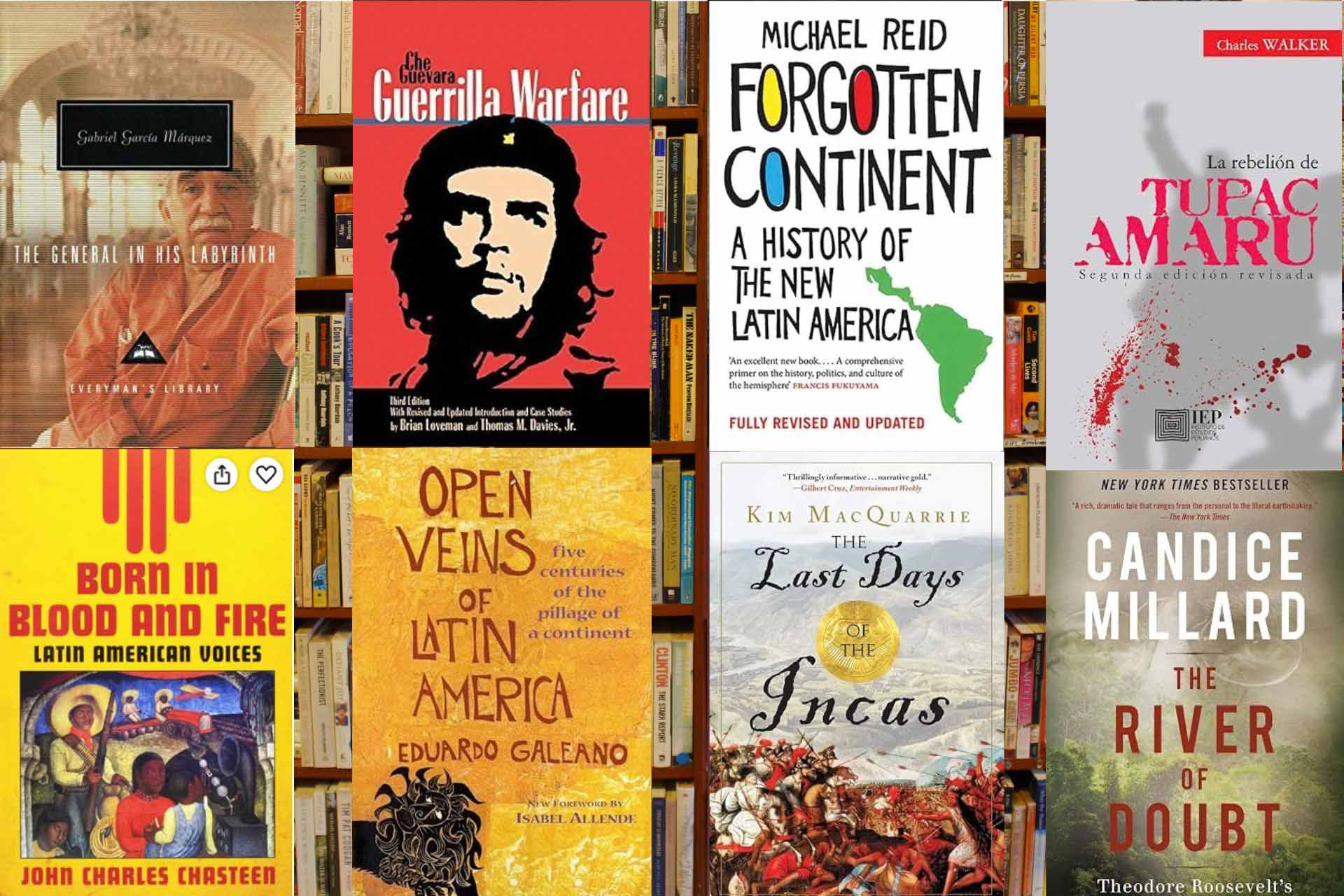
35+ of the Best Books on the History of South America
 Reading Time: 19 minutes
 The History of South America has been home to remarkable civilizations, mighty empires, revolutionary struggles, colonial conflicts, and political upheaval. South America has witnessed some of the most amazing stories history has to offer, from the birth (and Spanish destruction) of the Inca Empire to South America’s wars of independence, the rise of the Brazilian Empire, and a coup d’etat. South America was rocked by numerous dictatorships throughout the 20th century.
Within these 35+ books, you will find history textbooks, riveting accounts of historical events, biographies, primary sources, and even historical fiction. These books cover the Indigenous people of South America before colonization, European colonization of the region, wars of independence, military conflicts, democratization, dictatorships, and economic development.

35+ of the Best Books on the History of South America
Born in Blood and Fire: A Concise History of Latin America – John Charles Chasteen
(Non-Fiction, Latin American History, Colonialism, Independence, and Modern Politics)

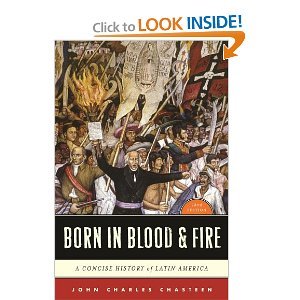
Topic: Latin America’s history from European conquest through independence, nation-building, and contemporary political developments.
Summary: Chasteen offers a concise history of Latin America, analyzing European colonization and its effects on Indigenous populations, as well as the development of political and economic systems that endured for hundreds of years. Themes include independence movements led by revolutionaries like Simón Bolívar, the creation of republics, ongoing battles over land rights, inequality, and political authority, along with twentieth-century topics such as populism, dictatorships, revolutionary politics, and globalization. While not exclusive to South America, this book offers a strong introduction to the region’s history.
The Conquest of the Incas – John Hemming
(Non-Fiction, Inca Empire, Spanish Conquest, and Indigenous Resistance)
Topic: Francisco Pizarro’s conquest of the Inca Empire and the resistance that followed.
Summary: Hemming re-creates the conquest of the Incas from the arrival of Pizarro to the capture of Emperor Atahualpa in 1532. Using Spanish chronicles and historical documents as a framework, he details the military campaigns, political schisms, and alliances that allowed a small Spanish force to conquer one of the greatest empires in the Americas. The book details resistance by Indigenous peoples, most notably by Manco Inca and the remnants of the Inca state in Vilcabamba. Hemming’s reconstruction clearly shows that this was not one long Spanish victory, but rather a complex, decades-long struggle.
1491: New Revelations of the Americas Before Columbus – Charles C. Mann
(Non-Fiction, Pre-Columbian Civilizations, Indigenous History, and Archaeology)
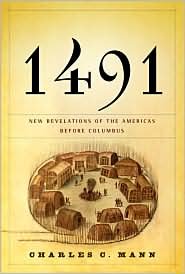
Topic: Indigenous societies throughout the Americas before European contact, including the Inca Empire and Amazonian civilizations.
Summary: Challenging perceptions of the Americas as wilderness inhabited by relatively primitive peoples prior to European colonization, Mann provides evidence of large population centers and complex civilizations. Citing archaeological and anthropological evidence as well as research in related fields like environmental studies, Mann details how certain pre-Columbian cultures built complicated agricultural networks, trade routes, and supported vast populations.
Regions covered in South America include the Inca civilization and Amazonian settlements, as well as the influence of Indigenous peoples in transforming the landscape. While many of the archaeological discoveries covered in the book are still debated, Monsoon Republic provides a provocative look at the pre-colonial Americas.
The Open Veins of Latin America: Five Centuries of the Pillage of a Continent – Eduardo Galeano
(Non-Fiction, Colonial Exploitation, Economic History, and Imperialism)

Topic: The exploitation of Latin America’s natural resources and labor from European colonization through the twentieth century.
Summary: Mining shows how colonialism and international capital extracted Latin America’s riches for profit and gain. The history of silver mining in Potosí, plantation economies and other primary commodities, and corporate manipulation of Latin American politics show how centuries of resource extraction left a legacy of economic inequality and political dependency in the region. Written from a political viewpoint, Galeano’s book has since become one of the defining texts of Latin American political writing. Elements of Galeano’s economic analysis have been disputed by historians.
Simón Bolívar: A Life – John Lynch
(Non-Fiction, South American Independence, Revolutionary Leadership, and Biography)
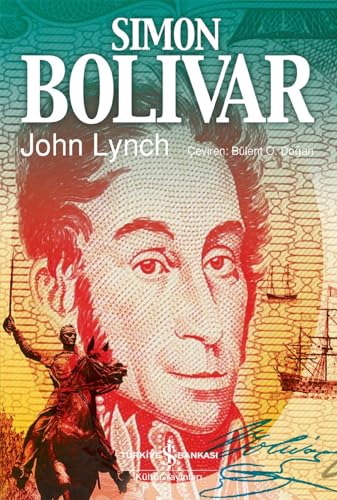
Topic: The life of Simón Bolívar and his role in liberating northern South America from Spanish colonial rule.
Summary: Lynch provides a comprehensive biography of Simón Bolívar, an important leader of South American independence. The book chronicles Bolívar’ s campaigns from Venezuela to Peru and Bolivia, detailing political divisions and military hardships faced by patriots fighting Spain. Lynch places particular emphasis on Bolívar’s vision of republican government, efforts to build political unity, and discontent with regional politics. Lynch assesses Bolívar’ s legacy as a historical figure.
Rebellion in the Backlands – Euclides da Cunha
(Non-Fiction, Brazilian History, War of Canudos, and Military Conflict)

![Os Sertões [Rebellion in the Backlands]](https://m.media-amazon.com/images/I/51TC5nrCHrL.jpg)
Topic: The Brazilian government’s military campaign against the community of Canudos in 1896–1897.
Summary: First published in Portuguese under the title Os Sertões, the book studies the formation and subsequent annihilation of a settlement called Canudos in the hinterlands of northeastern Brazil. Da Cunha studies the area’s geography and population, Antônio Conselheiro and his religious following that developed there, and finally—drawing on experiences he gained while working as a war journalist—the battles that eventually razed the settlement. Os Sertões is still considered a classic of Brazilian literature and historiography, though its views on race and some of its conclusions are now seen as products of their time.
The Last Days of the Incas – Kim MacQuarrie
(Non-Fiction, Inca Empire, Spanish Conquest, and Resistance in Peru)

Topic: The destruction of the Inca Empire and the decades-long resistance against Spanish rule.
Summary: MacQuarrie recounts the story of the Spanish conquest from the perspectives of Francisco Pizarro, Atahualpa, Manco Inca, and other significant historical characters. The book details the capture of Atahualpa, the occupation of Cuzco, and the bloody strife that followed between conquistadors as well as among Native groups. Special focus is placed on Manco Inca’s uprising and the creation of a resistance movement centered in Vilcabamba, a remote Andean stronghold. Using archaeological findings and historical records, MacQuarrie provides a dramatic retelling of one of South America’s most dramatic transformations.
The Argentina Reader: History, Culture, Politics – Edited by Gabriela Nouzeilles and Graciela Montaldo
(Non-Fiction, Argentine History, Cultural Studies, and Political Development)
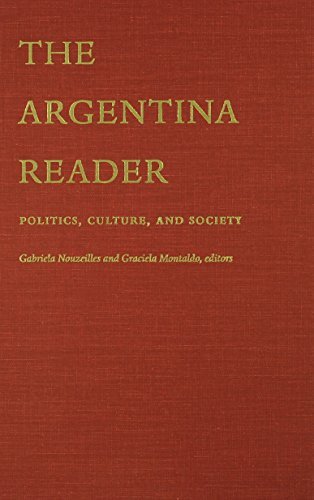
Topic: Argentina’s historical development from colonial society to the modern nation.
Summary: Featuring historical documents, literary excerpts, political tracts, and scholarly analyses, this collection offers a critical perspective on Argentina’s past. Examining everything from the country’s colonial roots and the War of Independence to nineteenth-century state formation and European immigration, Origins of Violence in Argentina also tackles subjects such as Peronism, the military dictatorship, national identity, and battles over democracy and human rights. Presenting multiple voices and perspectives, this book illuminates how Argentineans have understood and struggled over their own history.
The Pinochet File: A Declassified Dossier on Atrocity and Accountability – Peter Kornbluh
(Non-Fiction, Chilean History, Military Dictatorship, and United States Foreign Policy)
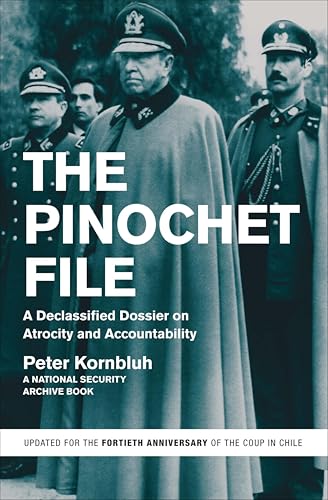
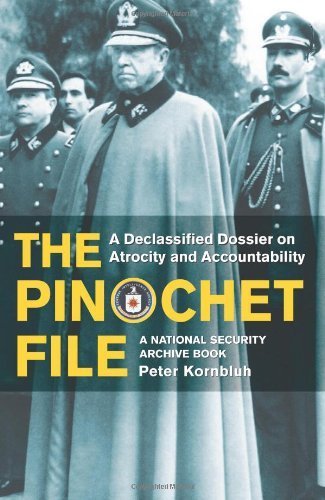
Topic: The 1973 Chilean military coup, Augusto Pinochet’s dictatorship, and the involvement of the United States.
Summary: Kornbluh pieces together recently declassified American government documents to reveal the political crisis that led to the downfall of Chilean President Salvador Allende. Topics include secret US maneuvers, the September 11, 1973 military coup, and repression during the early years of Pinochet’s dictatorship. It also covers international campaigns to hold the regime accountable for human rights violations and the political controversy over the arrest of Pinochet in London. The book sheds new light on Chile’s Cold War past through documentary evidence.
The River of Doubt: Theodore Roosevelt’s Darkest Journey – Candice Millard
(Non-Fiction, Brazilian History, Amazon Exploration, and Early Twentieth-Century Expeditions)
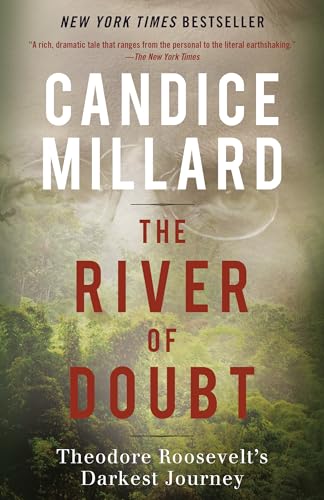
Topic: Theodore Roosevelt’s dangerous 1913–1914 expedition down an unexplored river in the Brazilian Amazon.
Summary: Millard details Theodore Roosevelt, the former President of the United States, on a journey through the Brazilian jungle with explorer Cândido Rondon and several companions. The expedition follows a river dubbed the River of Doubt (eventually renamed the Roosevelt River) through dangerous rapids, disease, hunger, and infighting. The book focuses on both physical and mental struggles during the expedition, including Roosevelt’s brush with death. Millard also details Rondon’s pioneering work in exploring Brazil and the relationships between expeditions and indigenous communities.
1493: Uncovering the New World Columbus Created – Charles C. Mann
(Non-Fiction, Colonial History, Global Trade, and the Columbian Exchange)


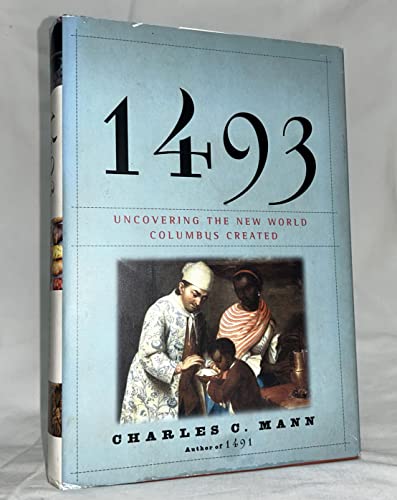
Topic: The global consequences of European expansion into the Americas and the transformation of South American societies.
Summary: Mann shows how European conquest integrated previously isolated environments, economies, and populations. Europeans facilitated the global spread of plants, animals, diseases, and people known as the Columbian Exchange between the Americas, Europe, Africa, and Asia. South American history is integrated throughout discussions of silver mining, plantation agriculture, Native population collapse, and globalization of trade. Mann reveals how progress in colonial South America altered economies and environments worldwide.
The Penguin History of Latin America – Edwin Williamson
(Non-Fiction, Latin American History, Colonialism, Independence, and Political Development)
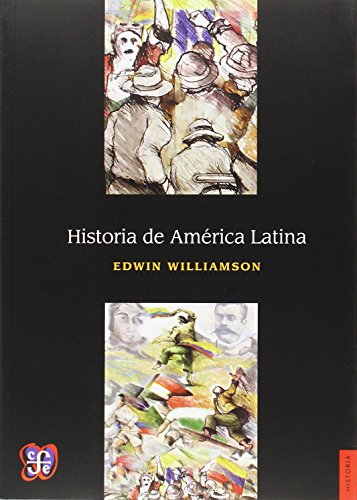

Topic: The political, social, and cultural development of Latin America from pre-Columbian civilizations to the modern era.
Summary: Williamson traces the history of Latin America from Indigenous cultures to the arrival of European conquerors. He discusses Spanish and Portuguese colonial rule, the Catholic Church, and issues of race and class in colonial society. He continues through the independence movements of the nineteenth century to the political turmoil, economic changes, and social strife that affected developing countries. Coverage of Brazil, Argentina, Chile, Peru, and the rest of South America helps round it out as a strong general text.
The General in His Labyrinth – Gabriel García Márquez
(Historical Fiction, Simón Bolívar, South American Independence, and Political Decline)
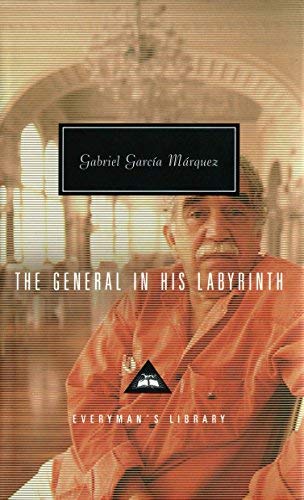
![El General en su Laberinto (Novela) (Spanish Edition) [3/6/1989] ...](https://m.media-amazon.com/images/I/51RXWZfoEhL.jpg)
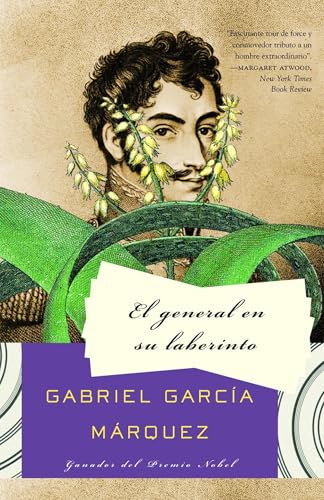
Topic: Simón Bolívar’s final journey down Colombia’s Magdalena River in 1830.
Summary: García Márquez writes of the last few months of Simón Bolívar’s life as Bolívar deals with sickness, political betrayal, and defeat as his dream of a unified South America slips away. García Márquez writes about Bolívar traveling to the Caribbean coast and reflects on his conquests, love interests, and struggles with old friends. Melding fact and fiction, García Márquez humanizes and casts Simón Bolívar, “the Liberator,” as an increasingly disillusioned man. Despite being a fictional novel, One Hundred Years of Solitude gives haunting insight into the personal toll that comes with revolution and losing power.
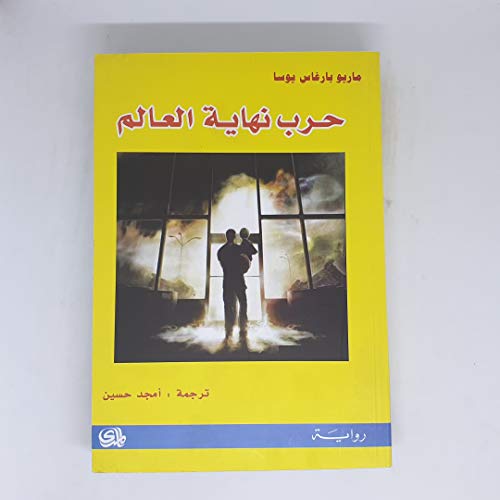
The War of the End of the World – Mario Vargas Llosa
(Historical Fiction, Brazilian History, Religious Rebellion, and the War of Canudos)

![La guerra del fin del mundo [The War of the End of the World]](https://m.media-amazon.com/images/I/51ou6tOyYrL.jpg)
Topic: The War of Canudos in northeastern Brazil between 1896 and 1897.
Summary: Vargas Llosa fictionalizes the conflict between the Brazilian Republic and Antônio Conselheiro’s religious settlement in the hinterlands of Bahia state. The novel shows how poverty, religious fervor, political distrust, and miscommunication fueled the growing conflict. Using dozens of fictional and historically based characters, the author narrates the Brazilian army’s expeditions against Canudos and the assault that destroyed the settlement. The narrative raises questions about modernization, religious fundamentalism, and government power in Brazil’s early republican history.
The Incas – Terence N. D’Altroy
(Non-Fiction, Inca Civilization, Andean Archaeology, and Imperial Administration)
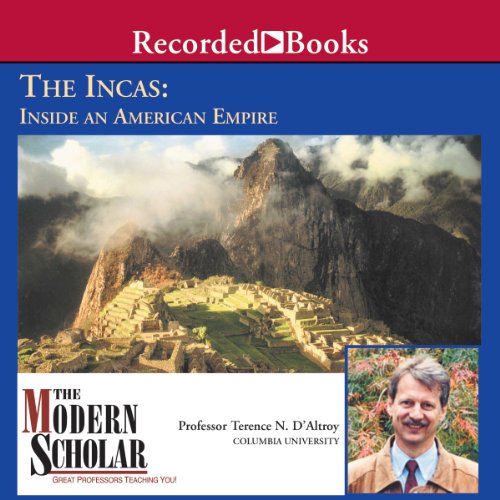
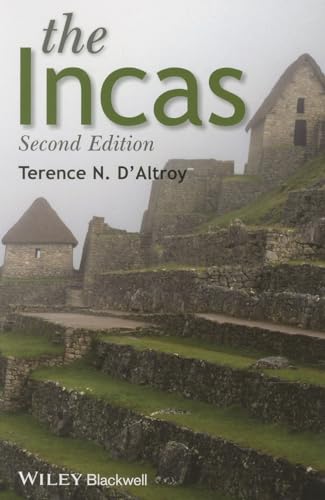
Topic: The political, economic, military, and cultural organization of the Inca Empire.
Summary: D’Altroy’s book explains how the Inca expanded from an Andean state into the largest empire in pre-Columbian America. D’Altroy analyzes how the Inca Empire was organized, including their administration, roads, agriculture, army, and how they conquered and controlled other peoples. The text also explores Inca religion and architecture, as well as the connections between the Inca Empire and local communities. The book draws on archaeological findings and colonial documents to build a fuller picture of the Empire before the Spanish arrived.
Evita: The Real Life of Eva Perón – Nicholas Fraser and Marysa Navarro
(Non-Fiction, Argentine Political History, Peronism, and Biography)



Topic: Eva Perón’s rise to political prominence and her influence on Argentine society during the presidency of Juan Perón.
Summary: Fraser and Navarro analyze the rise of Eva Perón from her humble beginnings to Argentina’s most powerful woman ever. The book discusses her relationship with Juan Perón, her championing of laborers and feminism, her ability to build mass appeal for Peronism, and her organizing through the Eva Perón Foundation. The book talks about the evolution of Eva’s public image and reputation as a leader, including conspiracy theories about her. The book separates historical facts from myths and stories that emerged about Evita after her death in 1952.
I, Rigoberta Menchú: An Indian Woman in Guatemala – Rigoberta Menchú, Edited by Elisabeth Burgos-Debray
(Non-Fiction, Indigenous Rights, Political Violence, and Latin American History)


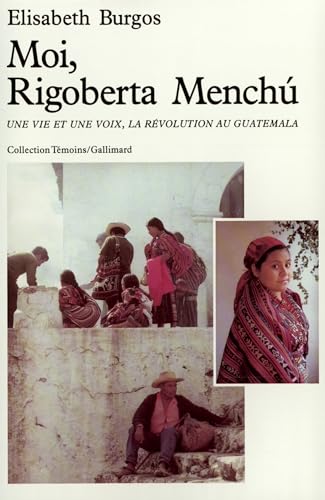
Topic: Indigenous experiences of discrimination, land conflict, and political violence during Guatemala’s civil war.
Summary: Menchú describes her life in an Indigenous Maya community during her youth in the years of extreme poverty and growing political violence. Themes include the marginalization faced by Indigenous farmers, state violence by Guatemalan security forces, and the impact of civil war on civilians. It became a widely used contribution to international Indigenous rights and human rights advocacy. Although Guatemala is not in South America, the book provides important context for comparison; scholars have also criticized perceived factual errors in the memoir.
The Making of Modern Colombia: A Nation in Spite of Itself – David Bushnell
(Non-Fiction, Colombian History, Independence, Political Conflict, and Nation-Building)
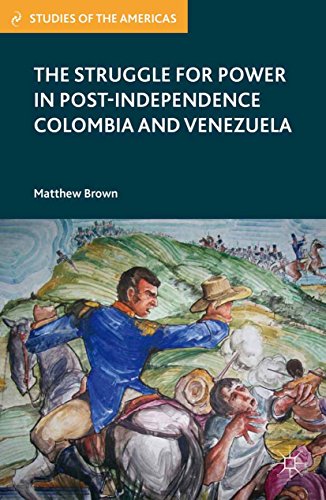


Topic: Colombia’s political and social development from the colonial period through the twentieth century.
Summary: Bushnell details Colombia’s evolution from a Spanish colony to a republic seeking political stability and identity. She chronicles Colombia’s independence movement, the dissolution of Gran Colombia, the partisan conflict between Colombian Liberals and Conservatives that dominated much of Colombian history, the Thousand Days’ War, the secession of Panama, and Colombian violence known as La Violencia. Bushnell describes how Colombia’s regions, economic growth, and recurring partisan violence molded its political and social structures.
Brazil: A Biography – Lilia Moritz Schwarcz and Heloisa Murgel Starling
(Non-Fiction, Brazilian History, Slavery, Empire, and Modern Politics)
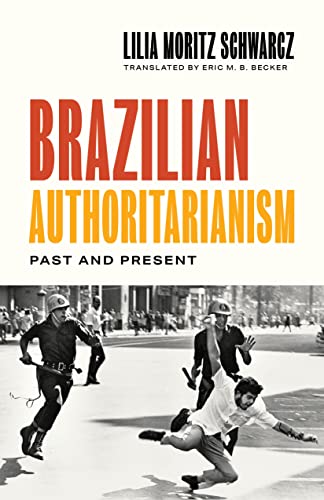
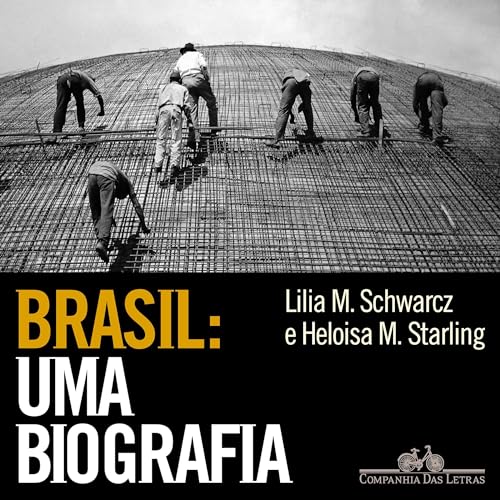
Topic: Brazil’s history from Indigenous societies and Portuguese colonization to the modern republic.
Summary: Schwarcz and Starling chronicle Brazil’s growth during over five centuries of political, social, and cultural transformation. They discuss Portuguese colonization, the Atlantic slave trade, plantation production and work, and the rise of an independent Brazilian Empire in 1822. They also cover abolition, republican government, twentieth-century authoritarian rule, and the re-establishment of democracy. Emphasis is placed on how slavery, racism, and regional economic differences have continued to impact Brazilian life.
Guerrilla Warfare – Ernesto Che Guevara
(Non-Fiction, Revolutionary Theory, Guerrilla Warfare, and Latin American Politics)

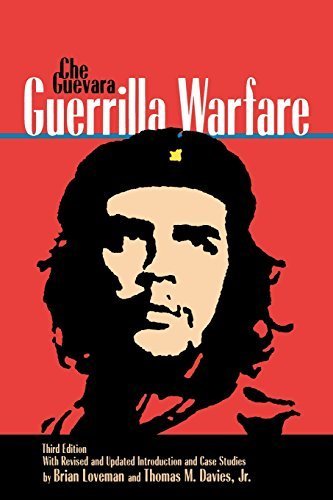
Topic: Che Guevara’s theories of revolutionary warfare and their influence on insurgent movements in Latin America.
Summary: In Guerrilla Warfare, Guevara explains his views on revolutionary war strategy and tactics, based on his experiences as a guerrilla leader in the Cuban Revolution. The book deals with revolutionary organization, the rural underground struggle, military strategy and guerrilla warfare, and politics between guerrillas and non-combatants. Despite taking examples mainly from the Cuban situation, the book had widespread influence on South American revolutions and informed Guevara’s own guerrilla campaign in Bolivia. It serves as an important historical document detailing one leader’s views on revolutionary thought and military strategy during Latin America’s Cold War.
A Concise History of Brazil – Boris Fausto
(Non-Fiction, Brazilian Political History, Colonialism, and Economic Development)
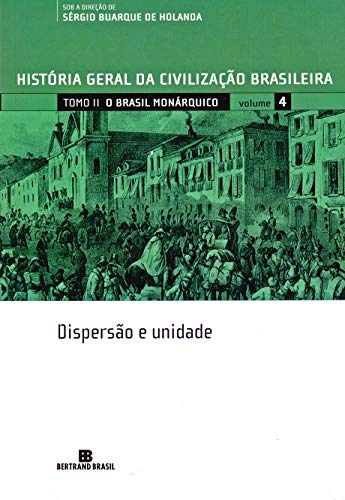
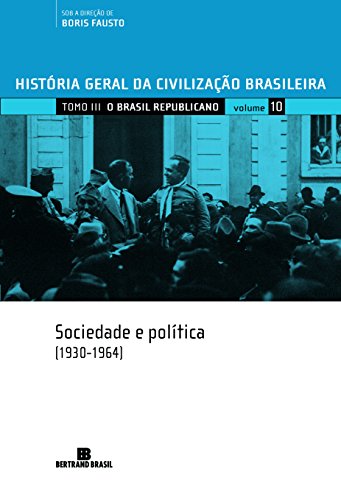
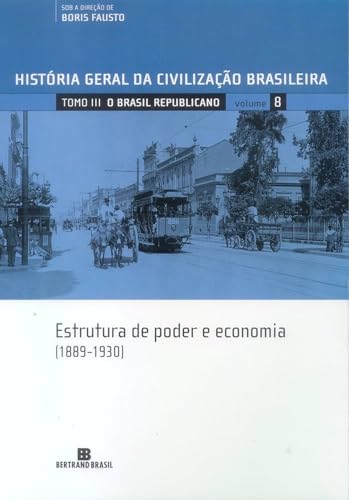
Topic: Brazil’s transformation from a Portuguese colony into an independent empire and modern republic.
Summary: Fausto tells the story of Brazilian history, from colonization by Portugal and the creation of colonial institutions to political issues surrounding independence from Portugal. He highlights the significance of sugar plantations, slavery, gold mining in Brazil, the nineteenth-century empire, abolition of slavery in 18’8, political shifts after the republic is declared and industrialization, the Vargas era, dictatorship, and democratic government.
A Nation of Enemies: Chile Under Pinochet – Pamela Constable and Arturo Valenzuela
(Non-Fiction, Chilean History, Military Dictatorship, and Democratic Transition)
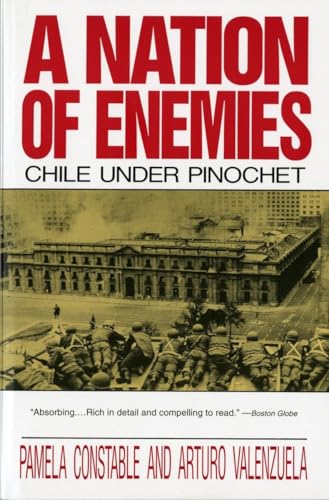
Topic: Chilean society under Augusto Pinochet’s military dictatorship from 1973 to 1990.
Summary: Constable and Valenzuela look at Pinochet’s regime and how it affected Chile’s political institutions, economy, and social relations. It discusses political repression, censorship, and disappearances throughout Chile under Pinochet’s military regime. The book also analyzes life in Chile under military rule, as well as the economic changes that took place under the dictatorship. The authors discuss the split between those who supported Pinochet’s regime and those who opposed it. The authors show how political dissidence, protests, and the 1988 referendum helped lead to Chile’s return to civilian rule.
Forgotten Continent: A History of the New Latin America – Michael Reid
(Non-Fiction, Modern Latin American History, Democracy, and Economic Development)

Topic: Latin America’s political and economic transformation during the late twentieth and early twenty-first centuries.
Summary: Reid analyzes the historical roots of Latin America’s challenges with inequality, political instability, and economic development. Topics include colonial legacies, populism, military dictatorships throughout South America, democratic transitions, market reforms, and the leftist surge in nations like Brazil, Venezuela, and Bolivia. Reid provides context for current events by showing how the region’s history still affects its politics and economics.
The Paraguayan War: Causes and Early Conduct – Thomas L. Whigham
(Non-Fiction, Paraguayan History, War of the Triple Alliance, and Nineteenth-Century Military History)
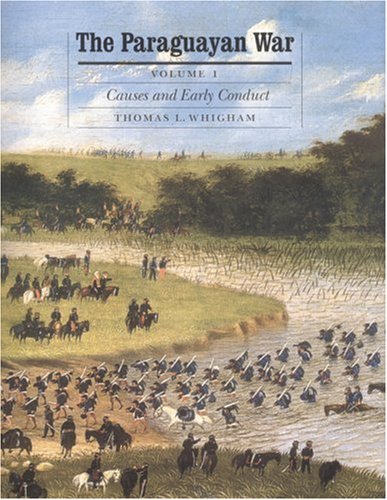
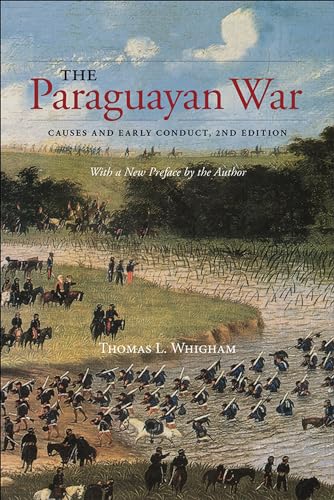
Topic: The origins and early campaigns of the War of the Triple Alliance (1864–1870), fought between Paraguay and the alliance of Brazil, Argentina, and Uruguay.
Summary: Whigham analyzes political rivalries, territorial ambitions, and diplomatic blunders that helped spark the bloodiest war ever fought in South America. His study looks at the actions of Paraguayan president Francisco Solano López, expansionist desires of neighboring governments, and troop mobilization prior to the outbreak of hostilities. Coverage includes the early campaigns, which saw Paraguayan offensives into enemy territory and the establishment of the Triple Alliance. Based on years of historical study, Whigham describes how territorial squabbles erupted into an international tragedy that dramatically impacted Paraguay’s demographics, economy, and political landscape.
A Short History of the Guyanese People – Vere T. Daly
(Non-Fiction, Guyanese History, European Colonialism, Slavery, and Independence)
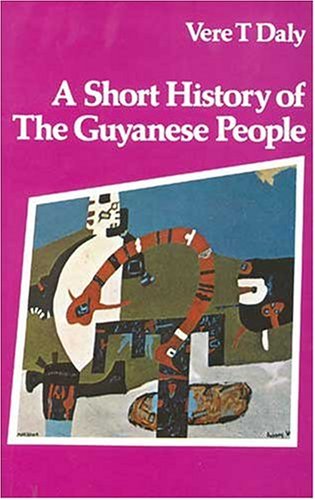
Topic: Guyana’s history from Indigenous settlement through Dutch and British colonial rule to the development of an independent nation.
Summary: Daly provides a history of Guyana from pre-colonial times. It starts with Indigenous Guyana and European colonial settlement on the northern coast of South America. The book covers plantation settlements, African enslavement, life after emancipation, indentured servants from India and beyond, the growth of the plural society, and moves through to Guyana’s independence from Britain in 1966.
The Bolivian Diary – Ernesto Che Guevara
(Non-Fiction, Bolivian History, Guerrilla Insurgency, and the Cold War)
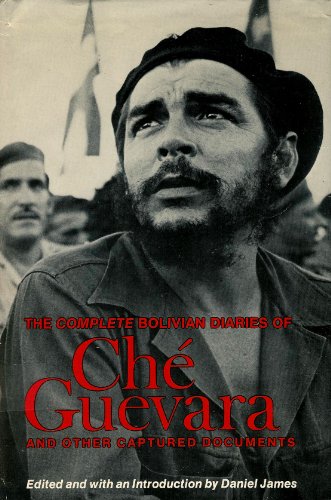

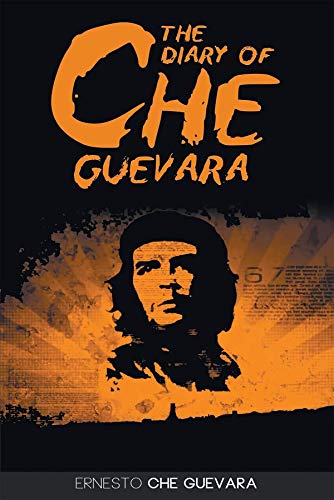
Topic: Che Guevara’s unsuccessful guerrilla campaign in Bolivia during 1966–1967.
Summary: The book compiles Guevara’s diary entries. It is an account of his failed attempt to start a revolutionary insurgency in Bolivia. It describes his troops’ day-to-day struggles living off the land, skirmishes with Bolivian army troops, and efforts to win the sympathy of the local population. Guevara wrote of the slow demise of his guerrilla force through starvation, isolation, and military action. The book was written up until just before his capture and killing in October 1967.
The Conquest of Peru – William H. Prescott
(Non-Fiction, Spanish Conquest, Inca Empire, and Nineteenth-Century Historical Scholarship)
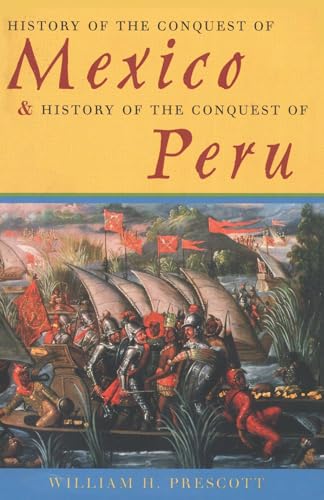

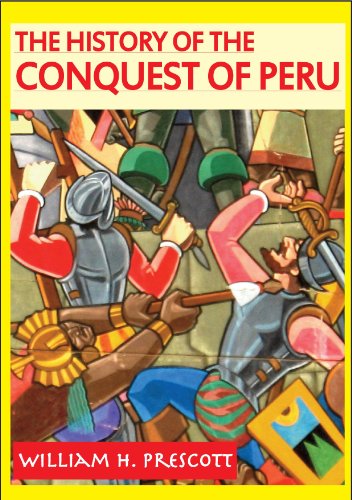
Topic: Francisco Pizarro’s conquest of the Inca Empire during the sixteenth century.
Summary: First published in 1847, Prescott’s history chronicles the development of the Inca Empire leading up to the Spanish expedition that ultimately conquered it. The text details Pizarro’s landing, his capture and killing of Atahualpa, and the Spanish seizure of the Inca capital city of Cuzco. It also covers infighting amongst the conquistadors and continuing opposition from remnants of the Inca leadership. While many of its interpretations have been disproven and it displays bias inherent in nineteenth-century scholarship, it is still one of the earliest works on the subject of Spanish conquest in South America.
The History of Ecuador – George Lauderbaugh
(Non-Fiction, Ecuadorian History, Inca Empire, Spanish Colonialism, and Political Development)
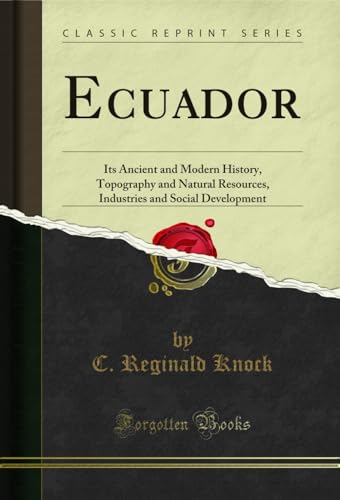
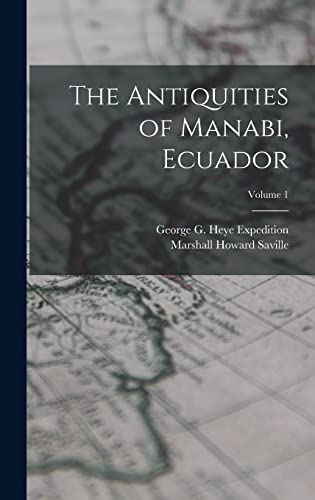
Topic: Ecuador’s history from pre-Columbian civilizations through Spanish rule, independence, and the modern republic.
Summary: Lauderbaugh analyzes Ecuador’s history, from the native societies that existed before Ecuador became part of the Inca Empire to its later conquest by Spain. He covers colonial rule, economic growth, and Ecuador’s role in the independence movements that swept South America in the early 1800s. He discusses the country’s political turmoil and ongoing conflict between regions and conservative and liberal factions. Finally, the book addresses Ecuador’s evolution as its economy and government were shaped by agricultural exports, petroleum, and democracy in the 20th century.
The History of Venezuela – H. Micheal Tarver and Julia C. Frederick
(Non-Fiction, Venezuelan History, Spanish Colonialism, Independence, and Modern Politics)
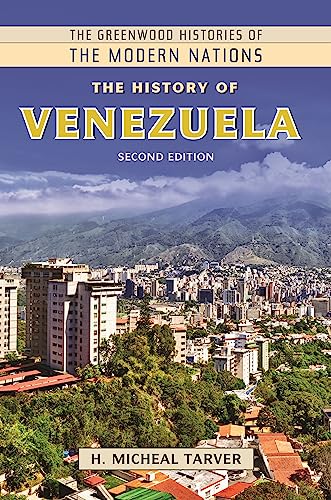

Topic: Venezuela’s history from Indigenous societies and Spanish colonization through independence, oil development, and modern political change.
Summary: Tarver and Frederick summarize Venezuela’s early history, starting with the Native Americans who lived there and the country’s colonial status as part of the Spanish Empire. They discuss Venezuela’s road to independence through Simón Bolívar and the chronic political upheaval following the creation of the Venezuelan republic. The book reviews Venezuela’s emergence as a key petroleum exporter and oil’s impact on its economy and politics. Topics include twentieth-century authoritarianism, democratic reforms, and the rise of Hugo Chávez.
A History of Uruguay – Benjamin Nahum
(Non-Fiction, Uruguayan History, Independence, Nation-Building, and Political Development)
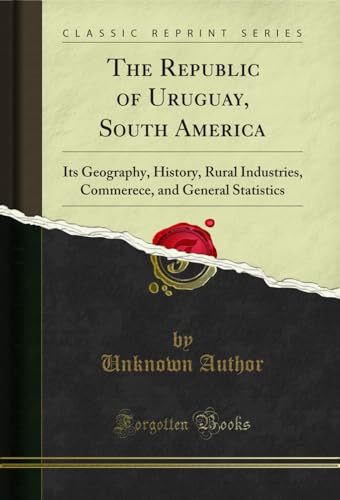
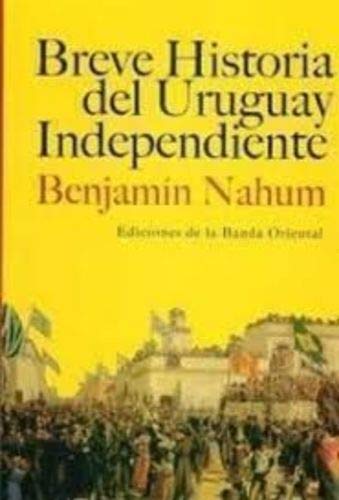
Topic: Uruguay’s development from colonial frontier territory to an independent republic and modern democracy.
Summary: Nahum analyzes Uruguay’s past within the context of Spain and Portugal’s competing imperial ambitions in South America, and Brazil and Argentina’s subsequent conflict for dominance in the Río de la Plata area. Topics covered include Uruguay’s fight for independence from the United Provinces of the River Plate under José Gervasio Artigas, a conflict that eventually led to Uruguay’s recognition as an independent nation in 1828, strife between the Colorado and Blanco political parties, economic development, and expanding social welfare in the early 1900s. Nahum presents background information on Uruguay’s later civil unrest and ensuing military rule.
The Condor Years: How Pinochet and His Allies Brought Terrorism to Three Continents – John Dinges
(Non-Fiction, Operation Condor, South American Dictatorships, and Political Repression)
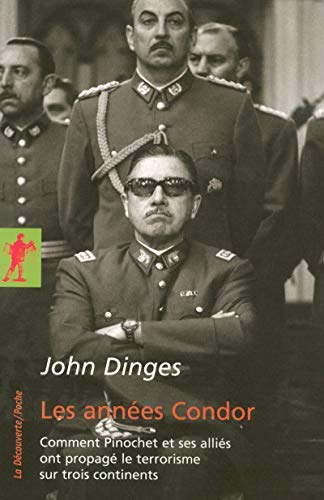
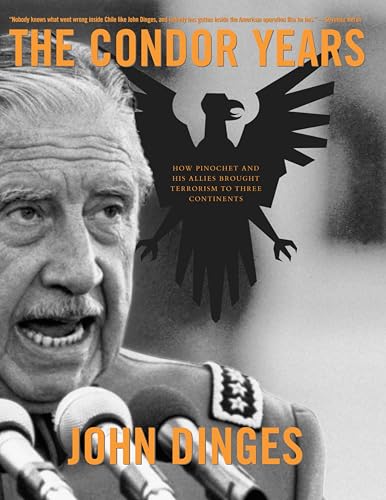
Topic: Operation Condor, the international campaign of surveillance, kidnapping, and assassination organized by South American military dictatorships.
Summary: Dinges’ book is about covert collaboration among authoritarian regimes in Chile, Argentina, Uruguay, Paraguay, Bolivia, and elsewhere in the 1970s. Based on intelligence records, interviews, and court proceedings, it tells the story of collaboration among security forces to monitor and persecute political enemies. Dinges covers such infamous operations as the 1976 killing of former Chilean diplomat Orlando Letelier in Washington, D.C. He explains how Operation Condor took violence associated with state terror abroad, making it one of the worst transnational repression operations in the Cold War.
The Lost City of Z: A Tale of Deadly Obsession in the Amazon – David Grann
(Non-Fiction, Amazonian Exploration, Archaeology, and Indigenous History)



Topic: British explorer Percy Fawcett’s search for an ancient civilization in the Amazon rainforest and his disappearance in 1925.
Summary: The Lost City of Z chronicles attempts to solve the disappearance of Percy Fawcett, who traveled into the Amazon jungle in search of traces of an advanced civilization. He named the civilization simply Z. Through this lens, Grann retraces Fawcett’s journeys and explores Fawcett’s hypothesis about ancient cities lost in the Amazon. The book also details some of the perils faced by expeditions journeying into the Amazon jungle. Recent archaeological findings indicating that large swathes of the Amazon jungle were once home to complex and sprawling Indigenous civilizations are discussed. Part historical detection, exploration, and archaeology, The Lost City of Z debunks previous beliefs about the Amazon before European contact.
The Ten Cents War: Chile, Peru, and Bolivia in the War of the Pacific, 1879–1884 – Bruce W. Farcau
(Non-Fiction, War of the Pacific, Chilean History, Peruvian History, and Bolivian History)
Topic: The War of the Pacific between Chile and the alliance of Peru and Bolivia, fought over territorial disputes and valuable mineral resources.
Summary: Farcau looks at the political friction and economic rivalry over the nitrate-rich Atacama Desert that led to war erupting in 1879. The volume chronicles the sea battles, military campaigns, and political maneuvers that allowed Chile to defeat its enemies. Emphasis is placed on the fight for dominance over the Pacific coastline and the crucial role of naval operations. Bolivia lost its sovereign access to the Pacific Ocean, and the war reshaped South America’s political map, causing territorial conflicts that would linger after the hostilities ceased.
The Tupac Amaru Rebellion – Charles F. Walker
(Non-Fiction, Peruvian History, Indigenous Resistance, Spanish Colonialism, and Eighteenth-Century Rebellion)

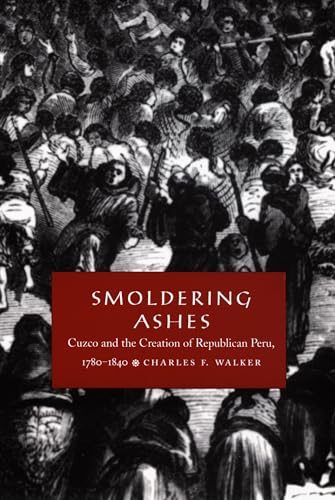
Topic: The massive Indigenous-led uprising against Spanish colonial rule in Peru and the Andes between 1780 and 1783.
Summary: Walker tells the story of the rebellion of José Gabriel Condorcanqui, who, under the name Túpac Amaru II, rose up against Spanish colonial rule in 1780. The book details the injustices that led to the rebellion, including forced labor, taxes, and abuses by Spanish officials. It chronicles the rebellion’s spread, the violent colonial retaliation against it, and continued resistance after Túpac Amaru II’s death in 1781. Walker shows how the rebellion revealed profound fractures in colonial Andean society and how it became a lasting symbol of Indigenous resistance and anti-colonial movements.
A History of Peru – Peter Klarén
(Non-Fiction, Peruvian History, Inca Civilization, Colonialism, and Modern Political Conflict)
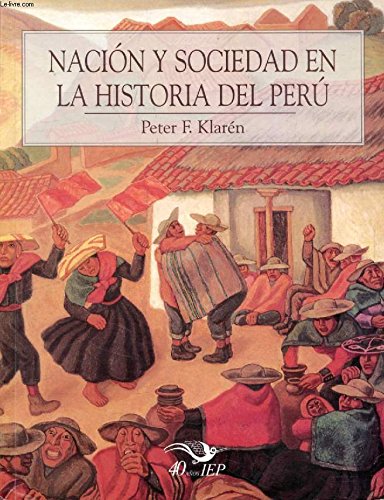

Topic: Peru’s development from pre-Columbian civilizations and Spanish conquest through independence and modern political upheaval.
Summary: Written by Klarén, History of Modern Peru analyzes the evolution of Peruvian society through the interactions of Native American civilizations, European institutions, and shifting political and economic systems. History of Modern Peru discusses the Incas, the Spanish conquest of Peru, colonial mining endeavors, and social stratification under Spanish rule. It continues through Peru’s independence, chronicling nineteenth-century political upheaval and instability, and reform in the wake of the War of the Pacific. Events of the twentieth century covered include reform movements, military juntas, and bloody rebellion by the Shining Path.
These 35 books span the breadth of South American history, from ancient Andean cultures and the Spanish conquest to wars of independence, bloody military coups, and ideological transformations.
If you’d like to learn more about Pre-Columbian South America, check out The Incas by Terence N. D’Altroy and 1491 by Charles C. Mann. These books will give you a good sense of Indigenous culture and complexity before European contact.
For conquest and colonial resistance, turn to The Conquest of the Incas by John Hemming, The Last Days of the Incas by Kim MacQuarrie, and The Tupac Amaru Rebellion by Charles F. Walker.
Looking for books on 19th-century wars and independence? John Lynch’ history of Simón Bolívar’s life, Thomas L. Whigham’s study of The Paraguayan War, and Bruce W. Farcau’s The Ten Cent War give readers excellent insight into the military conflicts that solidified South America’s political boundaries.
Finally, readers may choose The Pinochet File by Peter Kornbluh, The Condor Years by John Dinges, and A Nation of Enemies by Pamela Constable and Arturo Valenzuela to learn more about South American dictatorships, revolutions, and political violence in the twentieth century.


