25+ of the Best Books on the Age of Exploration
 Reading Time: 15 minutes
 The Age of Exploration changed the world by opening new sea routes across unknown oceans and connecting the world’s continents like never before. Between the 15th and 17th centuries, European explorers ventured onto the oceans in search of trade routes, wealth, new territories, and knowledge. The voyages of Christopher Columbus, Vasco da Gama, Ferdinand Magellan, and James Cook were among those that recharted the globe and its commercial networks. However, the Age of Exploration also ushered in conquest, coerced labor, disease, slavery, and catastrophic disruptions for Indigenous societies. The best way to learn about this momentous era in world history is by reading about the explorers and those affected by their journeys.
The best books about the Age of Exploration complicate the traditional narrative of courageous explorers braving the seas and sailing into unknown territories. Through histories of navigation, shipboard life, the rise of maritime empires, and encounters with Indigenous cultures, historians offer a more nuanced account of the period. They cover Indigenous resistance, the Atlantic slave trade, the ocean and empire, and the economic and political incentives for European overseas expansion. The 25+ books on this list approach the subject from various angles, from comprehensive histories and biographies to accounts of individual voyages. These outstanding works help readers appreciate the ambition, violence, discovery, cultural exchange, and human impacts that made the first global age.
The following 25+ titles bring the Age of Exploration to life.

25+ of the Best Books on the Age of Exploration
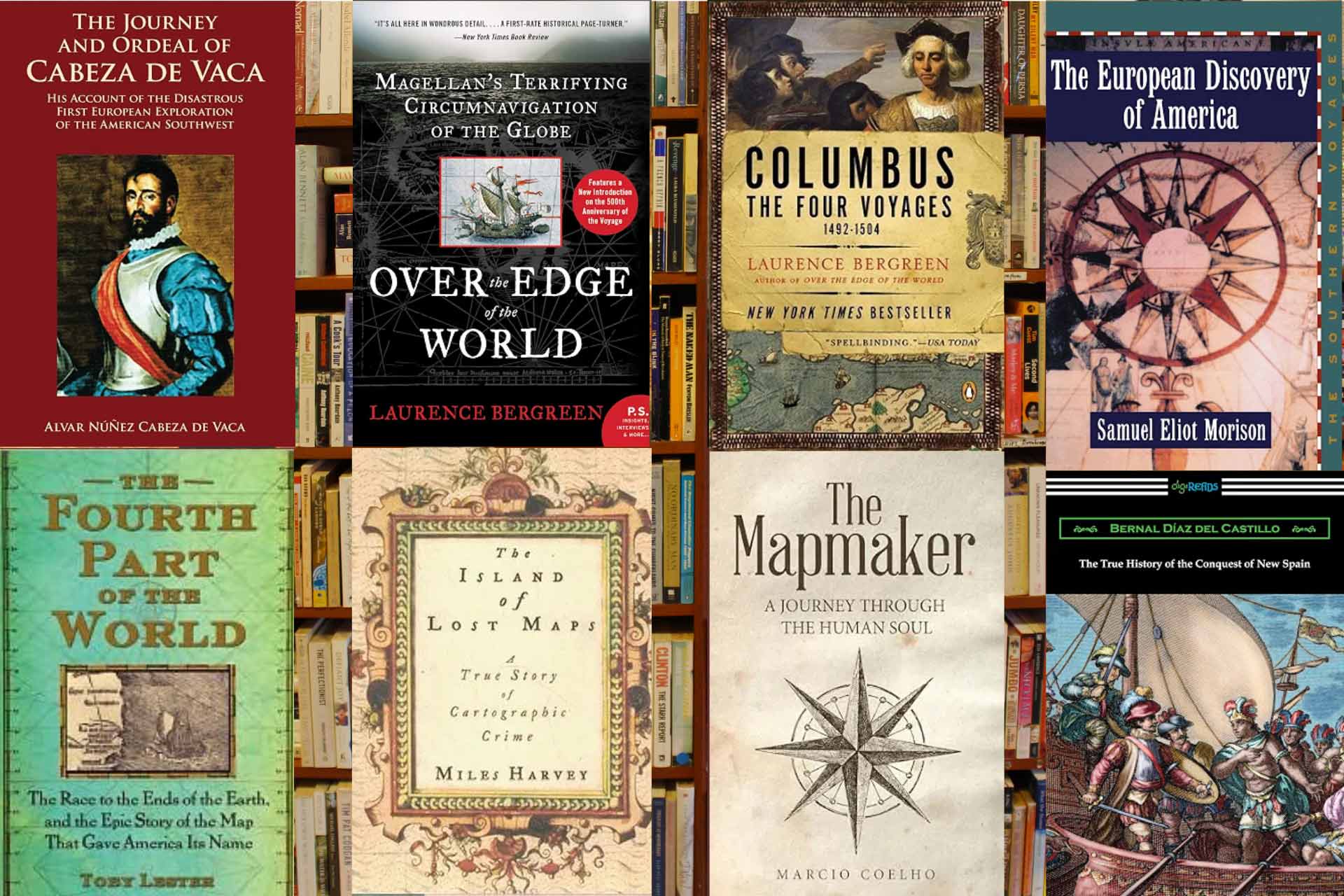
Over the Edge of the World: Magellan’s Terrifying Circumnavigation of the Globe – Laurence Bergreen
(Non-Fiction, Ferdinand Magellan, First Circumnavigation, Maritime Exploration)
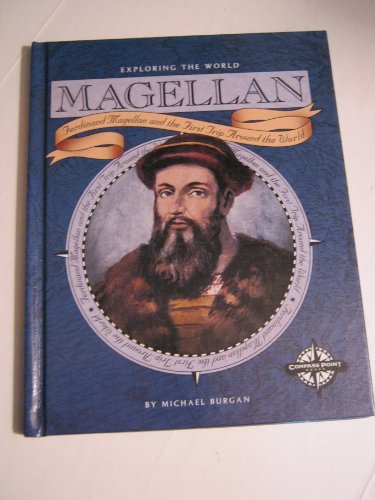


Topic: Ferdinand Magellan’s 1519–1522 expedition and the first recorded circumnavigation of the Earth.
Summary: Bergreen traces Magellan’s fleet as it takes a western route in search of the Spice Islands and into largely uncharted territory for Europeans. The fleet faced mutiny, starvation, violence, and the enormous challenge of crossing the Pacific. Magellan was killed in the Philippines, and the voyage was completed by Juan Sebastián Elcano. The book conveys both the triumph and the appalling human cost of one of history’s most significant voyages of the Age of Exploration.
The Last Crusade: The Epic Voyages of Vasco da Gama – Nigel Cliff
(Non-Fiction, Vasco da Gama, Portuguese Exploration, Indian Ocean)

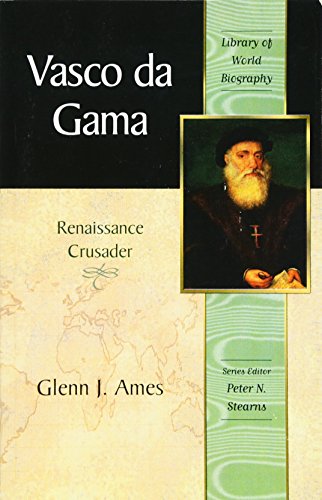
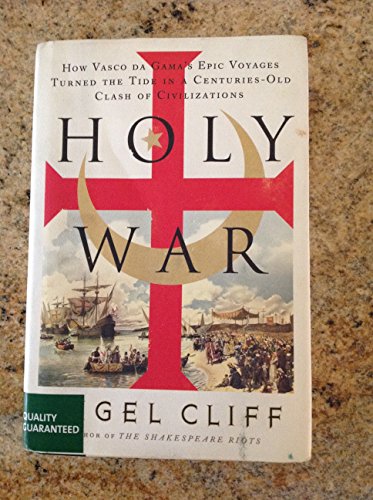
Topic: Vasco da Gama’s voyages to India and Portugal’s attempt to break into the Indian Ocean trade.
Summary: Cliff sets da Gama’s voyages in the broader context of competition between Christian Europe and Muslim states that controlled many known trade routes. He follows the Portuguese journey around Africa, the arrival at Calicut in 1498, and the increasingly bloody attempt to impose Portuguese dominance in the Indian Ocean. The book highlights that exploration was intimately linked to trade, religion, and conflict. It is an excellent introduction to the reasons for early Portuguese dominance in European overseas expansion.
Conquistador: Hernán Cortés, King Montezuma, and the Last Stand of the Aztecs – Buddy Levy
(Non-Fiction, Hernán Cortés, Aztec Empire, Conquest of Mexico)
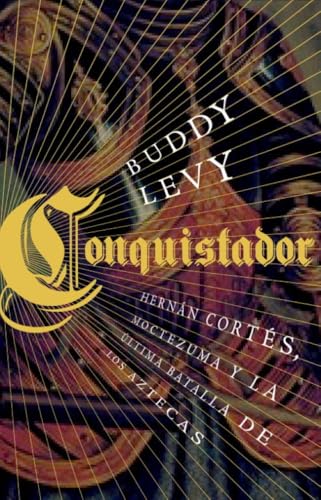
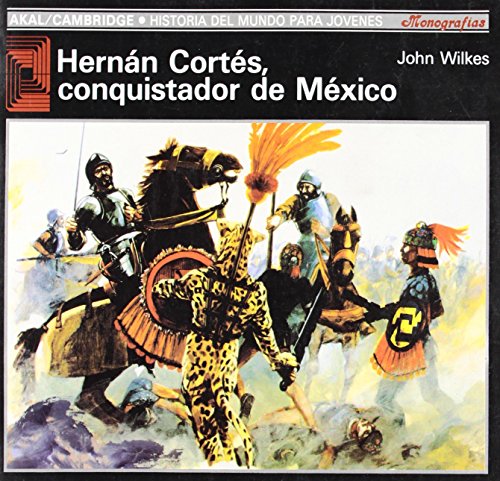

Topic: Hernán Cortés’s expedition to Mexico and the destruction of the Aztec Empire.
Summary: Levy retells the epic battle between Spanish conquistador Hernán Cortés and Aztec ruler Moctezuma II after the Spanish entered Mexico in 1519. The account details Cortés’ alliance with Indigenous enemies of the Aztecs, the battle in their capital, Tenochtitlan, the Spanish retreat at La Noche Triste, and the city’s final fall in 1521. Levy underlines both Spanish ambition and the complex web of Indigenous politics that helped shape the conquest. The result is a dramatic retelling of one of the Age of Exploration’s most legendary clashes.
River of Darkness: Francisco Orellana’s Legendary Voyage of Death and Discovery Down the Amazon – Buddy Levy
(Non-Fiction, Amazon River, Francisco de Orellana, South American Exploration)

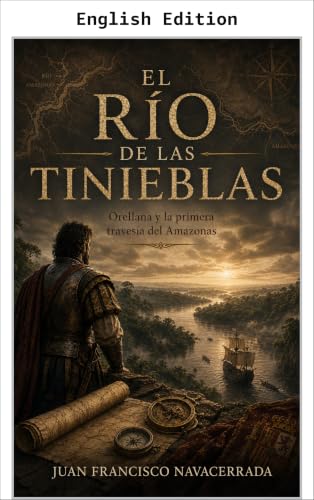
Topic: Francisco de Orellana’s 1541–1542 journey down the Amazon River.
Summary: Levy traces Orellana and his men’s progress as they were cut off from Gonzalo Pizarro’s main expedition and trekked across South America. The expedition suffered from hunger and illness, unfamiliar terrain, and a host of Indigenous nations along the river. The book also assesses accounts of large villages and the much-disputed tales of female warriors that contributed to European explorers’ naming of the Amazon. The voyage is presented as both a remarkable tale of survival and one of Europe’s first incursions into the Amazon Basin.
A Land So Strange: The Epic Journey of Cabeza de Vaca – Andrés Reséndez
(Non-Fiction, Cabeza de Vaca, Spanish Exploration, North America)

Topic: Álvar Núñez Cabeza de Vaca’s remarkable journey across North America after a disastrous Spanish expedition.
Summary: Reséndez chronicles the 1528 Narváez expedition and its aftermath in Florida. Cabeza de Vaca and a few other survivors roamed sections of today’s American South and northern Mexico for years, many times reliant on Native American groups. His adventures resulted in one of the first European accounts of the region’s people and terrain. Reséndez uses the expedition to delve into survival, cultural contact, slavery, and the tenuous process of Spanish expansion.
The Conquest of the Incas – John Hemming
(Non-Fiction, Francisco Pizarro, Inca Empire, Spanish Conquest)
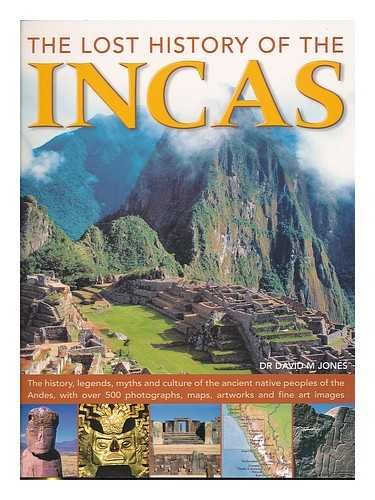
Topic: The Spanish invasion of the Inca Empire and the long Indigenous resistance that followed.
Summary: Hemming reviews Francisco Pizarro’s capture of Atahualpa in 1532 and the political instability that allowed a small Spanish force to wield outsized influence. He does not stop at the occupation of Cuzco, but continues on through years of warfare and continued resistance by remaining Inca leaders. The book focuses heavily on Indigenous players and the Inca civil war. It is an essential account of how exploration, opportunism, civil war, and colonial conquest were interwoven in the Andes throughout the Age of Exploration.
1492: The Year the World Began – Felipe Fernández-Armesto
(Non-Fiction, Columbus, Global Exploration, 1492)
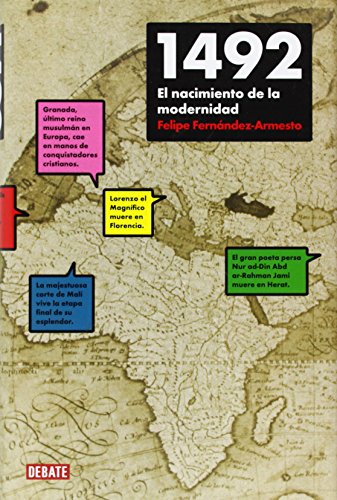
Topic: The global significance of 1492 beyond Christopher Columbus’s first Atlantic voyage.
Summary: Fernández-Armesto’s book situates Columbus in a much broader history of political, religious, and cultural change. Moving between Europe, Africa, Asia, and the Americas, it shows that major transformations were happening across the world at the same time. Spain’s conquest of Granada and the expulsion of Jews receive attention alongside Atlantic exploration. The book is particularly valuable for readers who want to understand why 1492 became a turning point in global history rather than simply the date of one famous voyage.
Columbus: The Four Voyages – Laurence Bergreen
(Non-Fiction, Christopher Columbus, Caribbean Exploration, Spanish Expansion)
Topic: Christopher Columbus’s four voyages across the Atlantic between 1492 and 1504.
Summary: Bergreen doesn’t stop with Columbus’s more familiar first landfall in the Caribbean. The later voyages, recounted in ever more painful detail, begin to show increasingly serious problems in colonial government, including violence, indigenous resistance, personal ambition, and Columbus’s own declining political fortunes. Bergreen also examines his navigational skill without shying away from the exploitation and suffering following Spanish settlement. Bergreen’s is a readable biography of a deeply consequential and controversial figure.
The Discoverers: A History of Man’s Search to Know His World and Himself – Daniel J. Boorstin
(Non-Fiction, Exploration, Cartography, Navigation, Scientific Discovery)

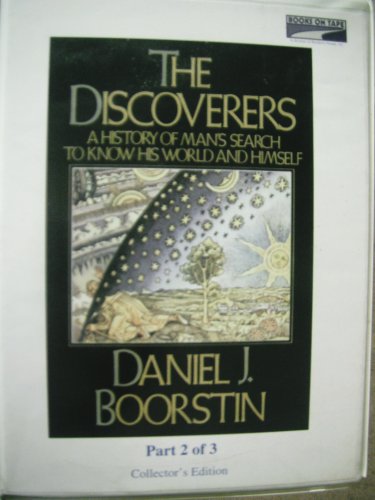
Topic: The long history of geographical and intellectual discovery across different civilizations.
Summary: Boorstin analyzes the evolution of calendars, clocks, maps, navigation, geography, and exploration over the centuries. Iconic individuals like Ptolemy, Marco Polo, Columbus, and Magellan are thus situated within a much larger history of humanity’s efforts to comprehend the world. This history is much broader than the Age of Exploration itself. For this reason, among other things, it can help us understand the knowledge that underlay the possibility of long-distance voyaging. Some of its interpretations now reflect older scholarship, but its grand narrative still has influence.
Pathfinders: A Global History of Exploration – Felipe Fernández-Armesto
(Non-Fiction, Global Exploration, Navigation, Cultural Contact)
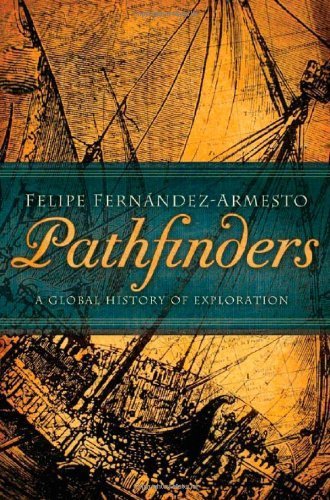

Topic: Exploration as a worldwide phenomenon rather than an exclusively European achievement.
Summary: Fernández-Armesto spans the millennia of human migration and exploration. Polynesian, Asian, Viking, and European voyagers, among many others, figure in a tale that resists parochial notions of “discovery.” The book considers the motives of societies that cross boundaries to new regions and the ways that geography directs exploration. The book is especially valuable for situating the European Age of Exploration in the much longer history of worldwide migration and navigation.
The European Discovery of America: The Southern Voyages, A.D. 1492–1616 – Samuel Eliot Morison
(Non-Fiction, Atlantic Exploration, Columbus, Magellan, Spanish and Portuguese Voyages)
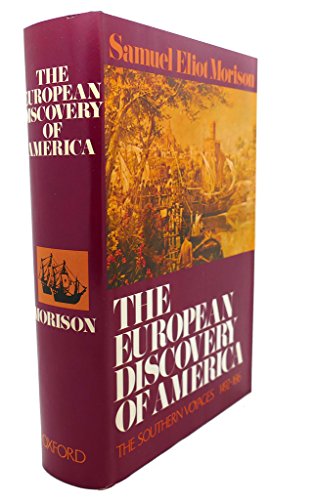
Topic: European voyages to the Americas from Columbus through the early seventeenth century.
Summary: Pulitzer Prize-winning historian and experienced sailor Samuel Eliot Morison reconstructs many of the major expeditions that opened Atlantic routes to European expansion. He focuses on ships, navigation, geography, and sailors’ practical challenges. The work is full of detailed information about Columbus, Magellan, and many lesser-known explorers. Readers should keep in mind that Morison wrote from an earlier historiographical vantage point, and that later scholars have challenged some of his treatment of Indigenous peoples and colonization.
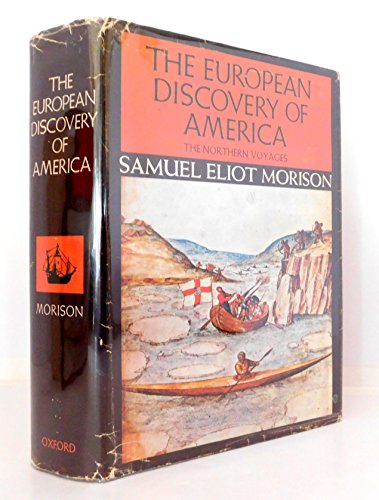
The European Discovery of America: The Northern Voyages, A.D. 500–1600 – Samuel Eliot Morison
(Non-Fiction, Vikings, Cabot, Cartier, North Atlantic Exploration)
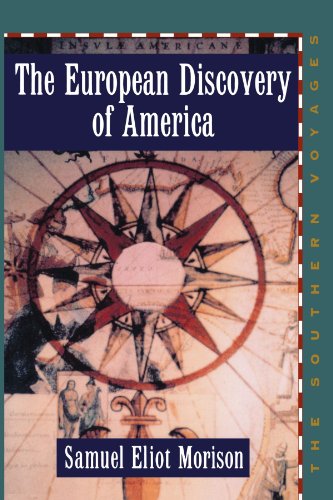
Topic: European exploration of the North Atlantic and northeastern North America.
Summary: Morison begins with Norse voyages and continues with later voyages by the English, French, and other European explorers. John Cabot, Jacques Cartier, and the northern-route explorers all receive detailed treatment. His nautical experience gives the geographical and navigational sections an unusual level of detail. Like its companion volume, however, it should be read in light of more recent scholarship that places greater emphasis on indigenous perspectives and the impact of European expansion.
The Conquistadors – Hammond Innes
(Non-Fiction, Spanish Conquistadors, Mexico, Peru, Exploration and Conquest)

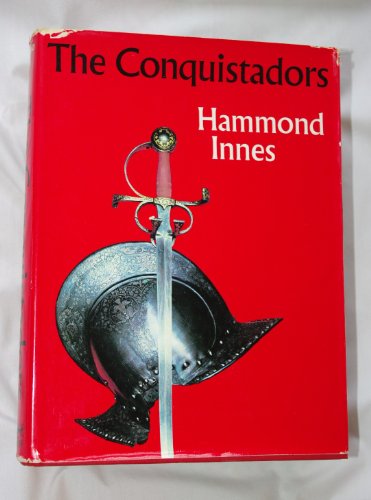
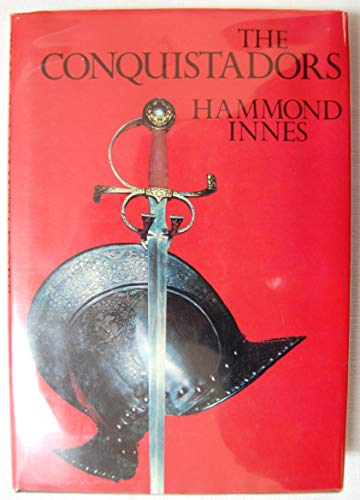
Topic: The Spanish expeditions that conquered major Indigenous states in the Americas.
Summary: Innes follows the career and expeditions of the conquistadors who came in the wake of the opening of the Atlantic routes. The book charts incredible distances traveled in the quest for riches and the violence of the Spanish advance. Cortés and Pizarro take center stage in a tale of exploration that swiftly turns into conquest. It is especially helpful for tracing how the search for new lands and resources evolved into the creation of an overseas empire.
Conquistadores: A New History of Spanish Discovery and Conquest – Fernando Cervantes
(Non-Fiction, Spanish Empire, Conquistadors, Indigenous Encounters)

Topic: A modern reassessment of Spanish exploration and conquest in the Americas.
Summary: Cervantes situates the conquistadors in the religious, political, and cultural context of sixteenth-century Spain. He neither lionizes them as heroic adventurers nor demonizes them as unusually savage villains. He explores the beliefs and circumstances that underlay their conduct. Indigenous alliances and divisions, missionary zeal, and imperial rivalry all played a significant role. The book provides a subtle modern counterpart to older histories of Spanish exploration.
The Mapmakers: The Story of the Great Pioneers in Cartography—from Antiquity to the Space Age – John Noble Wilford
(Non-Fiction, Cartography, Geography, Mapping Exploration)
Topic: How mapmaking shaped humanity’s understanding and exploration of the world.
Summary: Wilford’s history traces geographical notions from antiquity to modern mapping. For readers of the Age of Exploration, his book is most useful in explaining how maps became crucial to navigators, kings, traders, and empire-builders. New voyages repeatedly refined earlier geographic certainties and provided new errors and enigmas. The book helps explain that discovery altered not just political lines, but how people imagined the world.
Longitude: The True Story of a Lone Genius Who Solved the Greatest Scientific Problem of His Time – Dava Sobel
(Non-Fiction, Navigation, John Harrison, Maritime Exploration)


Topic: The centuries-long problem of determining longitude accurately at sea.
Summary: Sobel narrates the tale of English clockmaker John Harrison and his work to create a marine chronometer accurate enough to be used for ocean navigation. Although Harrison’s innovation came after the early Age of Exploration, the longitude problem vexed sailors throughout the era. Miscalculating position could lead to shipwrecks, missed ports, and catastrophic navigational errors. This slim book describes how science and technology finally overcame one of ocean exploration’s biggest obstacles.
he Island of Lost Maps: A True Story of Cartographic Crime – Miles Harvey
(Non-Fiction, Historic Maps, Cartography, Exploration)
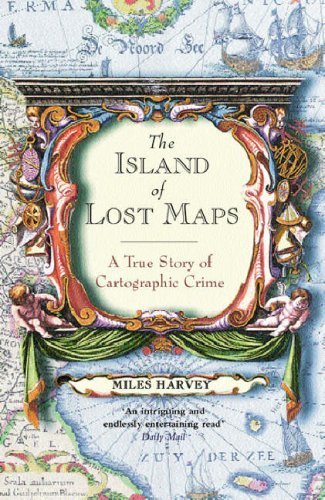

Topic: Rare maps, map theft, and the enduring fascination with the cartographic record of exploration.
Summary: Harvey starts with the true story of a thief who stole rare maps from libraries throughout North America. It then uses this as a springboard for the history, collecting, and cultural significance of maps. Many of these documents were created during the centuries when explorers were remapping European knowledge of the globe. The book offers an unusual entry into the Age of Exploration by showing why the maps made by the earliest travelers remain prized historical artifacts centuries later.
The Fourth Part of the World: The Race to the Ends of the Earth, and the Epic Story of the Map That Gave America Its Name – Toby Lester
(Non-Fiction, Waldseemüller Map, Amerigo Vespucci, Cartography)
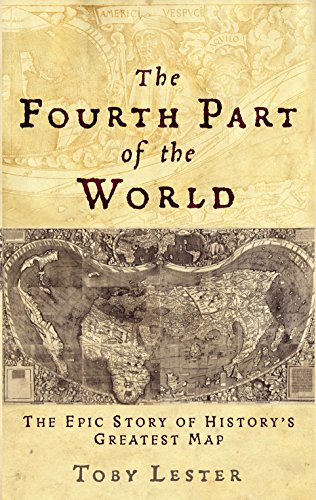
Topic: The 1507 Waldseemüller map and the geographical revolution surrounding the naming of America.
Summary: Lester shows how European understanding of the world changed as scholars and mapmakers received news of Atlantic voyages. The Martin Waldseemüller world map of 1507 at the center of the book is one of the earliest to include the name “America” for the Western landmass. Amerigo Vespucci, Christopher Columbus, ancient geography, printing, and Renaissance learning all come together in this tale. The book clearly shows that explorers didn’t just bring news; scholars had to interpret it and place it into an entirely new picture of the world.
The Spice Route: A History – John Keay
(Non-Fiction, Spice Trade, Indian Ocean, European Expansion)
Topic: The lucrative spice trade that helped drive European maritime exploration toward Asia.
Summary: Keay traces the trade in pepper, cloves, nutmeg, cinnamon, and other valuable commodities around Asia and into European markets. The book discusses the strong economic drive spices provided for the Portuguese search for direct maritime routes to the East, but it does so as a backdrop to the commercial networks Europeans already found in Asia, rather than presenting Asia as a blank space waiting to be discovered. It offers economic context to voyages by Vasco da Gama and others.
Empires of the Sea – Roger Crowley
(Non-Fiction, Mediterranean Warfare, Ottoman Empire, Habsburgs, Maritime Expansion)
Topic: The sixteenth-century struggle between Christian and Ottoman powers for control of the Mediterranean.
Summary: Crowley examines the blood-soaked sea struggle between the Ottoman Empire and its Christian foes during the same era when Atlantic exploration was changing the character of world commerce. The Siege of Malta, Mediterranean piracy and privateering, naval conflict, and the Battle of Lepanto are among the larger stories. While not focused on overseas exploration per se, the book provides insights into the geopolitical world from which European maritime ventures first emerged. It also reminds us that the Atlantic was only one arena of early modern competition.
The Last Days of the Incas – Kim MacQuarrie
(Non-Fiction, Inca Empire, Francisco Pizarro, Indigenous Resistance)
Topic: The Spanish conquest of Peru and decades of Inca resistance.
Summary: MacQuarrie starts with Pizarro’s arrival in the Andes and the capture of Atahualpa in Cajamarca in 1532. He chronicles the capture of Cuzco, the rivalries among the Spaniards, and the resistance of Manco Inca and his successors. The tale continues through the remote Neo-Inca state at Vilcabamba, rather than treating the early Spanish victories as the end of the conquest. A combination of exploration, warfare, politics, and sheer survival, the book is very readable.
The Wide Wide Sea: Imperial Ambition, First Contact and the Fateful Final Voyage of Captain James Cook – Hampton Sides
(Non-Fiction, James Cook, Pacific Exploration, Indigenous Encounters)

Topic: Captain James Cook’s final Pacific expedition and his death in Hawaii in 1779.
Summary: Sides’ book follows Cook’s third voyage to find the Northwest Passage and his travels in the Pacific Ocean. He re-creates encounters with Indigenous peoples, the rigors of long-distance sailing, and shifts in Cook’s authority during the voyage. The work concludes with Cook’s contentious return to Hawaii and his violent death at Kealakekua Bay. Cook was part of a later wave of European exploration, but his voyages exemplify how traditions established during the earlier Age of Exploration persisted into the 18th century.
The Wager: A Tale of Shipwreck, Mutiny and Murder – David Grann
(Non-Fiction, Shipwreck, Cape Horn, British Maritime Exploration)

Topic: The wreck of HMS Wager during an eighteenth-century British expedition into the Pacific.
Summary: Grann tells the story of the Wager, wrecked on Patagonian shores during George Anson’s voyage around the world in 1741. Stuck on land and with discipline breaking down, the shipwreck survivors are forced to confront starvation, vicious weather, interpersonal conflict, and accusations of mutiny. Competing factions returned to Britain to tell very different stories of what had occurred. Set somewhat later than the Age of Exploration, the book demonstrates the continuing perils of long-distance ocean travel long after the days of Columbus and Magellan.
The Last Voyage of Columbus: Being the Epic Tale of the Great Captain’s Fourth Expedition – Martin Dugard
(Non-Fiction, Christopher Columbus, Fourth Voyage, Caribbean and Central America)

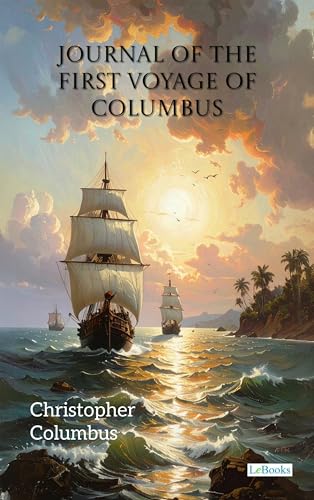

Topic: Columbus’s dangerous final voyage between 1502 and 1504.
Summary: Dugard focuses on the least-known of Columbus’s Atlantic voyages. In search of a passage to Asia, Columbus probed the Central American coast. There, storms, a damaged fleet, hostile natives, and political intrigues left his expedition in disarray. Stranded on Jamaica for months, Columbus and his men hunkered down. The book presents an adventure-laced account of a voyage that revealed both Columbus’s doggedness and the once-admired admiral’s diminished fortunes.
The Search for El Dorado – John Hemming
(Non-Fiction, El Dorado, Amazon Exploration, Spanish Conquistadors, South America)

Topic: The expeditions that searched for the legendary kingdom of El Dorado across northern South America and the Amazon Basin.
Summary: Hemming documents the major European explorations undertaken in search of the alleged fabulous wealth of El Dorado. It takes the conquistadors and adventurers through what is now Colombia, Venezuela, Guyana and the Amazon, where disease, starvation, war and terrain too often wiped out their dreams. It also analyses the way indigenous traditions were misinterpreted and turned into the European myth of a secret city of gold. Hemming also shows how avarice drove explorers to search deeper into areas where Europeans had limited knowledge.
The Catalogue of Shipwrecked Books – Edward Wilson-Lee
(Non-Fiction, Hernando Colón, Columbus, Renaissance Knowledge, Global Exploration)

Topic: Hernando Colón’s attempt to create a universal library during the rapidly expanding geographical world of the sixteenth century.
Summary: Wilson-Lee tells the incredible tale of Christopher Columbus’s son Hernando, who roamed Europe in pursuit of books and printed ephemera. Hernando dreamed of creating a library that could catalog, in essence, everything being published at a moment when both printing and overseas exploration were revolutionizing European knowledge. Hernando’s story weaves together that of adventurers and scholars, printers, pirates, and the vast Spanish Empire. An unusual intellectual history, the book shows how the Age of Exploration shifted European perceptions of the size and variety of the world around them.
The Conquest of New Spain – Bernal Díaz del Castillo
(Non-Fiction, Primary Account, Aztec Empire, Cortés, Conquest of Mexico)
Topic: A conquistador’s firsthand account of the Spanish expedition that brought down the Aztec Empire.
Summary: Bernal Díaz del Castillo was a member of Cortés’s expedition and the author of one of its most significant surviving accounts. Díaz chronicles the march into Mexico, interaction with Indigenous towns, the arrival at Tenochtitlan, Moctezuma, battles, alliances, and the fall of the Aztec capital. Díaz wrote his account decades later and filtered it through his own agenda and memory, so historians do not accept every point as established fact. Nevertheless, it gives readers something few modern histories can: the viewpoint of a witness to one of the most critical meetings of the Age of Exploration.
The Broken Spears: The Aztec Account of the Conquest of Mexico – Miguel León-Portilla
(Non-Fiction, Indigenous Accounts, Aztec Empire, Fall of Tenochtitlan)
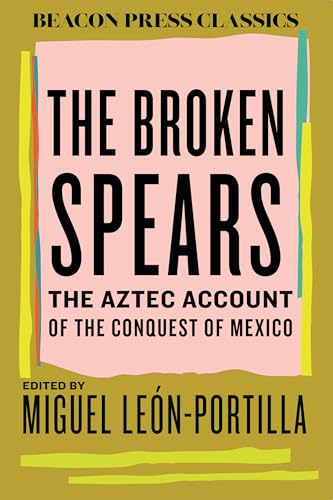
Topic: Nahua accounts and traditions describing the Spanish conquest from Indigenous perspectives.
Summary: León-Portilla collected and translated sources based on Nahua accounts in order to retell the story of the conquest from points of view typically absent from older European histories. The included selections cover omens, the arrival of the Spaniards, Moctezuma, warfare, disease, and the fall of Tenochtitlan. It is an important corrective to the story as related primarily from the conquistadors’ perspective, although the sources themselves have complex histories of their own composition and transmission. For a reading list on the Age of Exploration, it helps demonstrate what European “discovery” and conquest looked like to people already living in the Americas.
Exploring the Age of Exploration Through Books
The Age of Exploration was never just a handful of courageous sailors braving the high seas. It revolutionized trade, navigation, and warfare. It redefined science and relations between societies worldwide. It also involved conquest, slavery, disease, displacement, and trauma for Indigenous peoples. The diverse books on this list cover the period from many angles, so readers can follow the exploits of famous explorers while also considering the cultures they encountered and the legacies of their voyages.
No single book can comprehensively cover an era that spanned oceans and involved innumerable peoples and kingdoms, along with myriad competing ambitions. Reading several of these books together brings the richness of the history into focus: from Magellan crossing the Pacific to da Gama reaching India, conquistadors entering the Americas, and mapmakers struggling to make sense of an ever-expanding world. If you’re interested in maritime adventure, Indigenous history, cartography, empire, or the stories of individual explorers, these books are all excellent places to start to get a handle on the achievements, conflicts, and legacies of the Age of Exploration.


