
25+ of the Best Books on African History
 Reading Time: 11 minutes
 The best books on African history have the power to transform the way you see the world. Africa is not a footnote to global history; it is a force that shapes it. From the rise and fall of ancient kingdoms and the trade across the Sahara to the slave trade across the Atlantic, the scramble for Africa, anti-colonial struggles, and the challenges of nation-building, African history is immense, diverse, and deeply intertwined with the histories of other continents. It is also a history that is often oversimplified or overlooked, making rigorous reading all the more crucial.
In this list, you’ll discover some of the best books on African history that will guide you through this rich and multifaceted past. They take you through empires like Mali and Ethiopia, vast regions like the Sahel and the Congo Basin, and explore themes such as Islam, trade, resistance, and cultural transformation. You’ll find authors who draw from archaeology and oral tradition, others who delve into archives and personal testimonies, but all with the common goal of debunking stereotypes and bringing history to life with evidence and human detail.
25+ of the Best Books on African History

Africa: A Biography of the Continent – John Reader
(Non-Fiction, Pan-African History Survey)

Topic: Deep-time Africa, geography, ecology, and long-run human history.
Summary: Reader weaves environment and human development together by showing how climate, disease zones, and topography affected the formation of states and patterns of migration. The author ranges from the emergence of early hominins to contemporary politics without relegating Africa to a mere prologue to European history. The book is particularly good on how ecological and technological factors shaped settlement patterns and power relationships. A broad, readable synthesis.
African Dominion: A New History of Empire in Early and Medieval West Africa – Michael A. Gomez
(Non-Fiction, West African Empires)
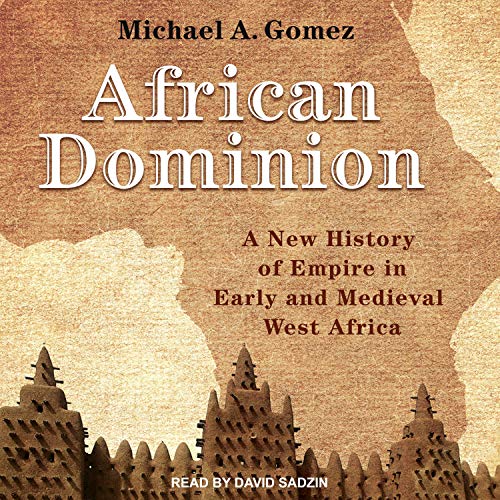
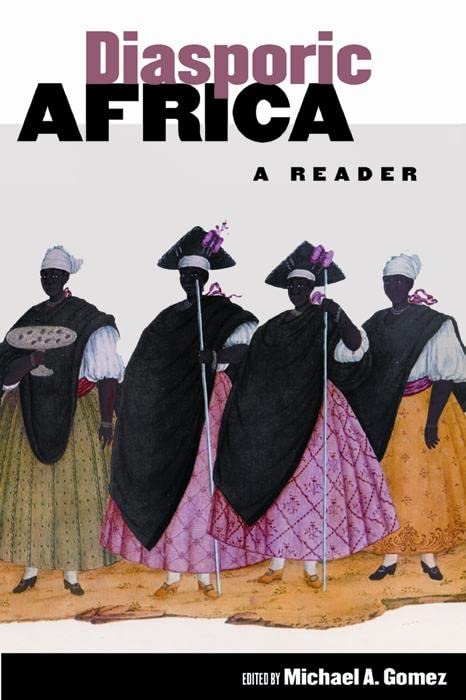
Topic: Ghana, Mali, Songhai, and the rise of Sahelian imperial power.
Summary: Gomez disputes easy narratives of “gold empires”, addressing government, identity, Islam, and politics. Gomez demonstrates the inner mechanics of empire building: institutions, slavery, and elite culture. The text weaves a narrative between the Sahel and the Mediterranean/Islamic world. There is a lot of information in this book, but it is very rewarding.
The Fate of Africa – Martin Meredith
(Non-Fiction, Modern Africa Politics)
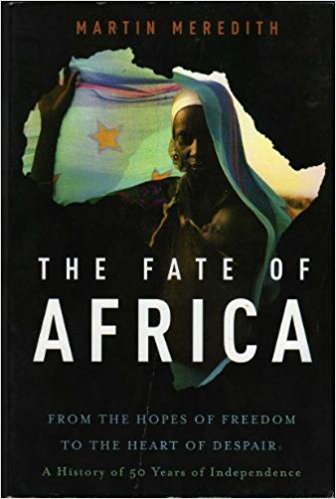
Topic: Post-independence Africa, coups, civil wars, Cold War interference.
Summary: This ambitious book takes stock of the major states and leaders that emerged after colonial rule ended. Meredith points to the roles of borders, inherited institutions, and external pressures in shaping outcomes, while also noting patterns of authoritarianism, resource-based politics, and cycles of reform. The book is a large-scale and accessible attempt to provide an overview of the contemporary era, best used as a map and complemented by more regionally focused, in-depth treatments.
King Leopold’s Ghost – Adam Hochschild
(Non-Fiction, Congo Free State Atrocities)

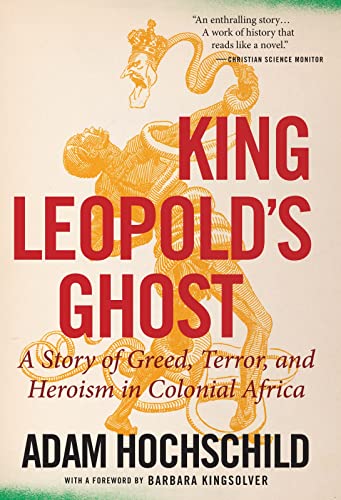
Topic: Congo under Leopold II, forced labor, rubber terror, and early human-rights activism.
Summary: Hochschild tells a gripping tale of exploitation and mass violence around rubber quotas and coercion. He also shows the international campaign that publicized abuses and how documentation and lobbying operated. The book is essentially narrative history, but based on deep resources. It is a compelling entry point into the violence of colonialism and its resistance.
The Africans: A Triple Heritage – Ali A. Mazrui
(Non-Fiction, Culture and Identity)
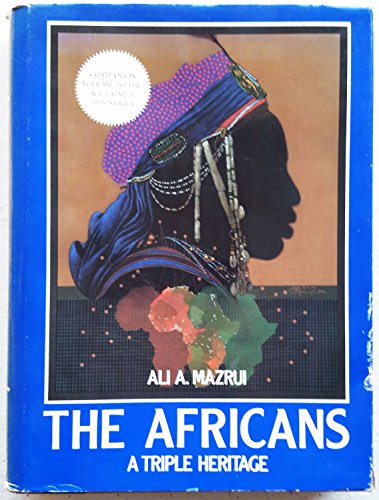

Topic: Indigenous, Islamic, and Western influences across African societies.
Summary: Mazrui “rejects the notion that Africa’s identity has been forged by a single set of cultural ‘heritages'” and instead shows the many ways they overlapped. He discusses religion, language, politics, and modernity comparatively. The book shows readers how to understand regional difference without stereotypes. It’s big-picture and idea-driven.
The Scramble for Africa – Thomas Pakenham
(Non-Fiction, Colonial Partition)
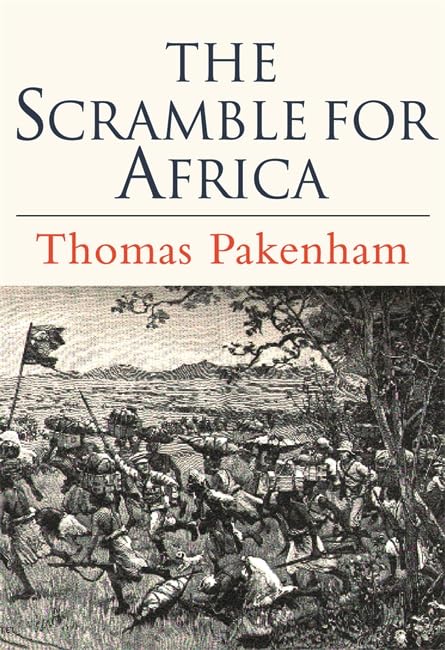
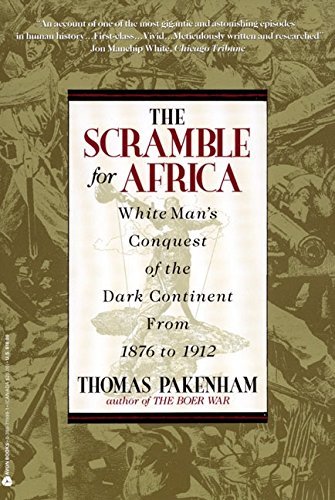
Topic: 1880s–1914 European conquest, Berlin Conference era, imperial rivalry.
Summary: Pakenham re-creates the characters and geopolitics of partition, in which expeditions, treaties, and deals became borders. He details speed, competition, and miscalculation among the European powers. The narrative is lively and frequently astonishing in detail. A classic of how modern borders were jammed into place.
The Wretched of the Earth – Frantz Fanon
(Non-Fiction, Anti-Colonial Theory; Algeria Focus)
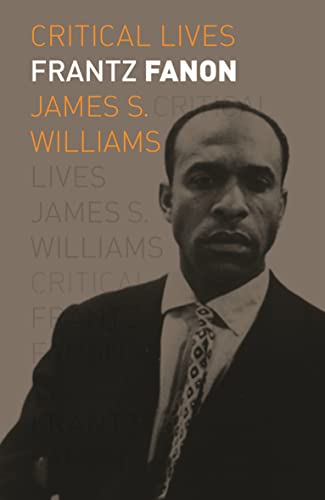

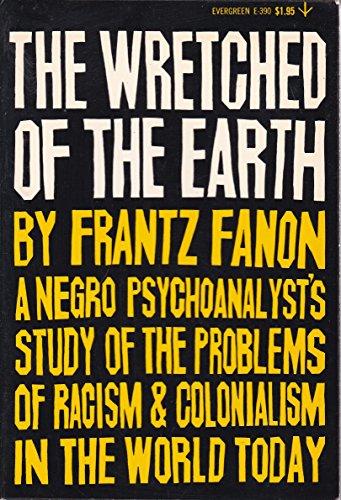
Topic: Decolonization, violence, psychology, and liberation struggles.
Summary: Fanon’s major themes include how colonialism reconfigures psyches and economies, and why anticolonial movements often turn to violence. Produced in the context of the Algerian war, it became an international text for anticolonial movements. It is not a work of history in the traditional sense, but it is an important document for the politics of the era of liberation. In the context of Fanon’s thought, it should be read alongside the era’s histories.
How Europe Underdeveloped Africa – Walter Rodney
(Non-Fiction, Political Economy)
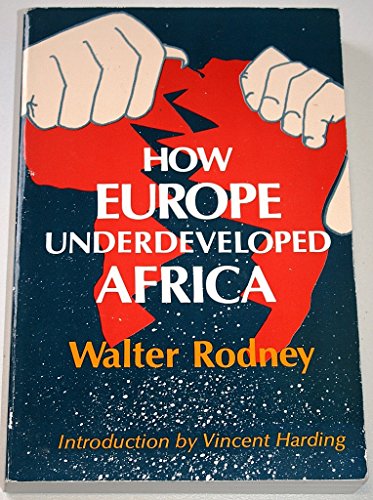
Topic: Slavery, colonial extraction, and global inequality.
Summary: Rodney argues that Europe’s wealth grew in part through systems that drained African labor and resources. He connects trade, coercion, and policy to long-term patterns of underdevelopment. The book is influential and strongly argued, with a clear political stance. It’s essential for debates on legacy and responsibility.
Born in Blackness: Africa, Africans, and the Making of the Modern World, 1471–1839 – Howard W. French
(Non-Fiction, Atlantic World)

Topic: Atlantic slavery, trade, and Africa’s central role in modernity.
Summary: French reframes early modern history by placing Africa at the center of global transformation. He examines how the slave trade reshaped African politics and how African labor reshaped the Americas. The book blends narrative with argument in a highly readable style. Great for readers who want “global history” from the African side.
African History: A Very Short Introduction – John Parker and Richard Rathbone
(Non-Fiction, Compact Survey)
Topic: Big themes from ancient to modern Africa.
Summary: This is a short, slim, high-density book that launches readers into important periods, debates, and sources. Emphasis on regional diversity and on the pitfalls of single-story narratives. The authors also show how oral tradition and archaeology define the limits of the knowable. Ideal as an opening road map.
A History of Modern Africa: 1800 to the Present – Richard J. Reid
(Non-Fiction, Modern Africa Survey)
Topic: 19th–21st century transformations, imperial conquest, nationalism, postcolonial states.
Summary: A useful summary of an era, which Reid carefully balances political storytelling with the details of social and ideological change. The interactions of war, economic change, and ideological clash are skilfully woven together. African agency is given as much weight as European. Clear and classroom-friendly, without sacrificing thoughtfulness. Helpful in constructing a running timeline across the regions.
The Walking Qur’an: Islamic Education, Embodied Knowledge, and History in West Africa – Rudolph T. Ware III
(Non-Fiction, West African Islam)

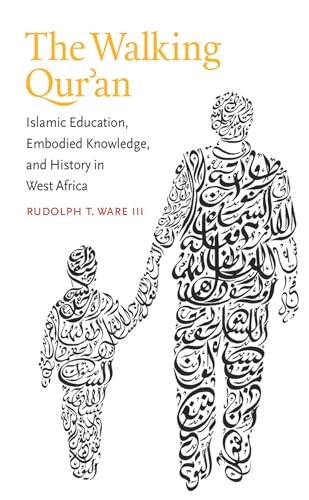
Topic: Qur’anic schooling, scholarship, and Islamic social authority in the Sahel.
Summary: Ware elucidates how Islamic learning informed governance, identity formation, and modes of embodied practice and pedagogy. He makes the case for linking intellectual history to the material of everyday life and political community formation. The text is particularly helpful for its treatment of religious authority beyond the “conversion story” or the life of the learned saint. Highly recommended to those interested in religious institutions and modes of learning.
Empires of Medieval West Africa: Ghana, Mali, and Songhay – David C. Conrad
(Non-Fiction, Medieval West Africa)
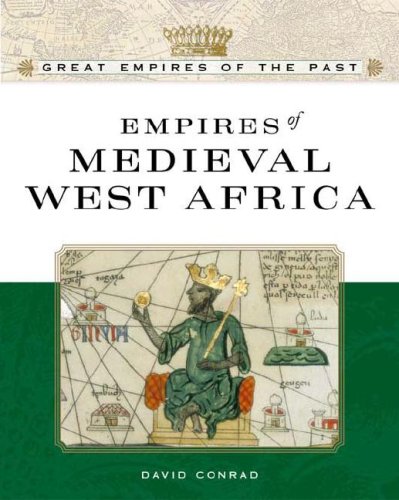
Topic: Sahelian empires, oral tradition, trade, and state formation.
Summary: Conrad takes on the task of introducing the great empires of West Africa with a view to sources, in particular, oral histories and epic traditions. He points out what is reliable and what is more in doubt. Clear and concise, it is particularly well-suited to beginners. Good on context and evidence.
The Great War of Africa: Congo and Regional Geopolitics, 1998–2003 – Gérard Prunier
(Non-Fiction, Modern Central Africa War)
Topic: Second Congo War, regional alliances, aftermath.
Summary: Prunier shows how Congo’s war became an Africa-wide conflict between states and militias. He concentrates on causes – fears, resources, politics – rather than depicting violence as irrational. Dense, often horrific, the book makes a messy war clear. Best for those prepared for today’s geopolitical reality.
The Atlantic Slave Trade: A History – John Thornton
(Non-Fiction, Slavery and Atlantic Africa)
Topic: African states, trade systems, warfare, and the mechanics of the slave trade.
Summary: Thornton highlights the African political nuances and the interaction between trade and indigenous authority. He avoids simplistic casting of blame while not shying away from brutality. Strong in its description of the mechanics of the trade over time and space. Helpful for those seeking some framework amidst the horror.
The Slave Ship: A Human History – Marcus Rediker
(Non-Fiction, Middle Passage)


Topic: Life aboard slave ships, violence, resistance, and maritime systems.
Summary: Rediker pieces together the ship as a floating prison and workplace from the accounts of sailors, captains, and survivors. He makes resistance, revolt, and everyday coercion vivid. The focus is intimate and brutal, but clarifying. A fine supplement to wider histories of the Atlantic.
The Partition of Africa: Illusion or Necessity? – A. J. Christopher
(Non-Fiction, Borders and Colonial Rule)
Topic: Boundary-making, administration, and colonial governance.
Summary: This chapter is about the “making” of borders and the legitimization efforts of the colonial powers involved. It is less descriptive and chronological and would be of greater value to a reader already familiar with the context and content of maps and looking for information on the making of the state and/or the long-run consequences of the border. It is useful for a general understanding of the present political salience of borders. Most suitable for readers who prefer a structural form of history writing.
The African Origin of Civilization: Myth or Reality – Cheikh Anta Diop
(Non-Fiction, African Antiquity Debate)

Topic: Africa’s role in ancient civilization, especially Egypt, and broader origins debates.
Summary: Diop’s work is both impactful and contentious, proposing significant African influences that have been downplayed in older academic narratives. It is a critical text for anyone studying intellectual history and Pan-African thought. However, it should be read alongside other scholarly works to gain a balanced understanding. This book is essential for anyone engaged in the historiography debate.
The Ethiopians: An Introduction to Country and People – Richard Pankhurst
(Non-Fiction, Ethiopia Survey)
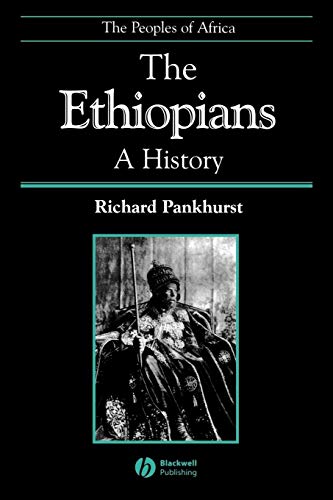
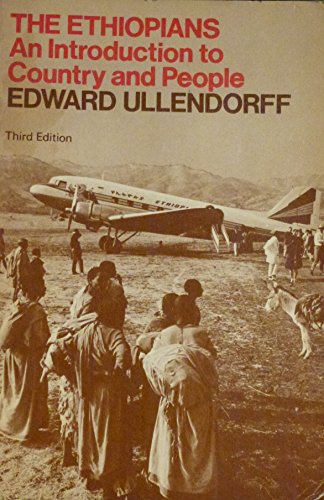
Topic: Ethiopian history, empire, culture, and state tradition.
Summary: Pankhurst offers a sweeping overview of Ethiopian history, covering monarchy, religion, and external conflict. Helpful for those looking for a guided introduction to an exceptionally unbroken state tradition. Accessible, informative tone. Good jumping-off point for Ethiopia-focused reading.
A History of South Africa – Leonard Thompson
(Non-Fiction, South Africa Survey)
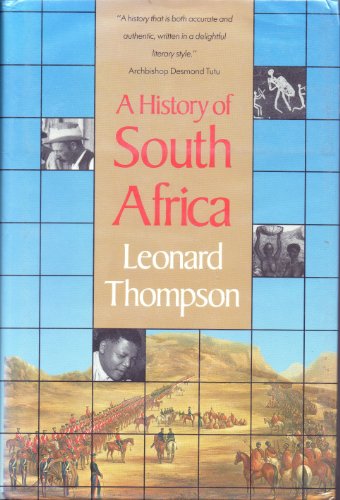
Topic: Colonialism, apartheid, resistance, and political transformation.
Summary: Examining South Africa from early settlement to the end of apartheid and beyond, Thompson focuses on the development of South Africa’s institutions and its politics of race. The book gives insight into the political and economic factors that together established a particularly resilient inequality. This lucid, comprehensive, and engaging overview works well alongside memoirs and similar texts. An excellent introduction to the country’s history before more in-depth study.
Long Walk to Freedom – Nelson Mandela
(Non-Fiction, Memoir; Anti-Apartheid)
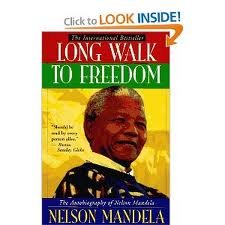
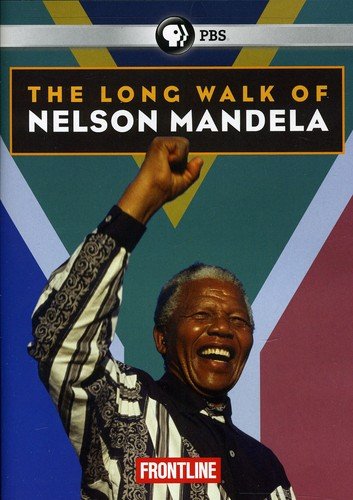
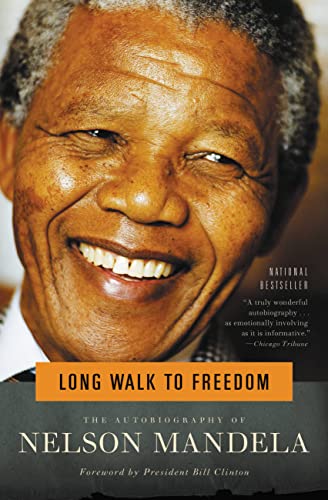
Topic: Apartheid, ANC struggle, imprisonment, negotiation, leadership.
Summary: Mandela’s memoir offers a rare insight into the strategy of resistance, the realities of prison life, and the challenges of political transition. Blending personal narrative with national history, the book brings the mechanics of apartheid into sharp focus. It also serves as a study of leadership under extreme pressure. Essential reading for understanding contemporary African political history.
The Black Jacobins – C. L. R. James
(Non-Fiction, Haiti and the African Diaspora)
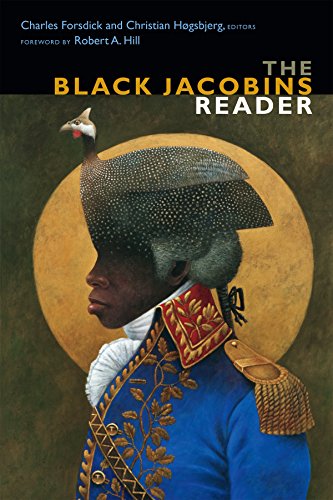
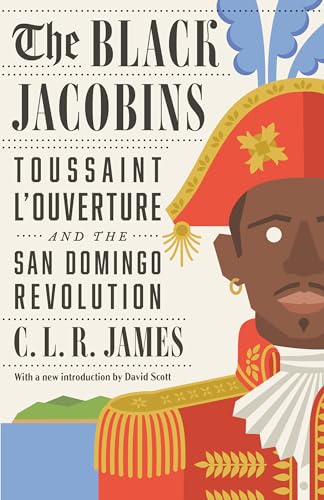
Topic: Haitian Revolution, slavery, colonialism, revolutionary politics.
Summary: While located in the Caribbean, it is a crucial text in the history of the African diaspora and the Atlantic world. James depicts enslaved people as strategic actors who shifted the currents of global politics. It is dramatic, analytical, and impactful. Highly recommended as a text that helps to connect Africa, slavery, and revolution.
We Wish to Inform You That Tomorrow We Will Be Killed with Our Families – Philip Gourevitch
(Non-Fiction, Rwanda Genocide)
Topic: 1994 genocide, aftermath, politics of memory and justice.
Summary: Reportage and history are merged by Gourevitch to describe how the genocide occurred and what life has been like in its aftermath. It deals with international failure, local politics, and the fight to reconstruct. The prose is direct and often chilling. It is one of the most significant contemporary texts on violence and culpability.
The River Between – Ngũgĩ wa Thiong’o
(Fiction, Colonial Kenya and Cultural Conflict)

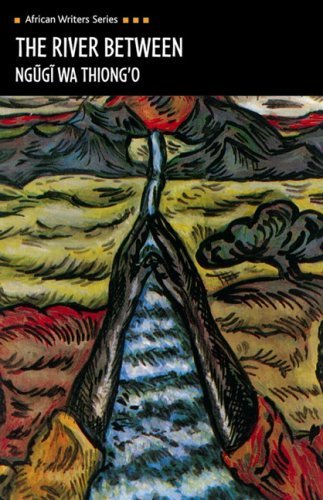
Topic: Missionary influence, tradition, identity, and colonial pressure.
Summary: This novel dramatizes colonialism’s divisive impact on communities along religious, educational, and political lines. The conflict is made intimate- it manifests in family, village, and belief. This historical tale renders culture change personal, not abstract. Strong companion fiction for Kenyan history.
Things Fall Apart – Chinua Achebe
(Fiction, Colonial Nigeria and Social Disruption)

Topic: Igbo society, British colonial intrusion, cultural collision.
Summary: Achebe depicts a nuanced precolonial community and the strains of colonialism on it. Shows how there is complexity, strengths, and tensions before outsiders show up, and thus is not a caricature. Short but potent. A necessary starting point for engaging with narratives of colonial encounter. Vital historical fiction.
Half of a Yellow Sun – Chimamanda Ngozi Adichie
(Fiction, Biafran War/Nigerian Civil War)



Topic: 1967–1970 Biafra, famine, ideology, and civilian survival.
Summary: Adichie tells the story of this war as it was lived by intellectuals and servants, students and housewives, revolutionaries and lovers: how hunger and politics and the struggle for selfhood become real through the prism of loss, and how the daily experience of propaganda and shifting hope and crushing disillusionment is embodied in the everyday. This is one of the best windows onto the reality of a modern African war in any fiction. Deeply moving and historically rich.
A Fistful of Shells: West Africa from the Rise of the Slave Trade to the Age of Revolution – Toby Green
(Non-Fiction, West Africa 15th–19th c.)

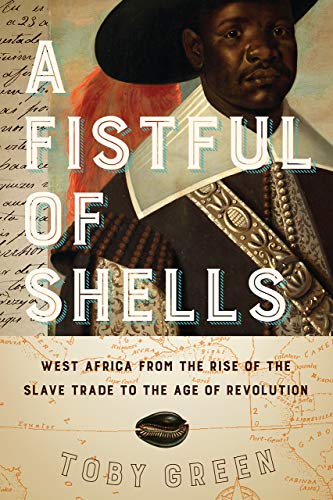
Topic: Trade, slavery, state finance, and regional transformation.
Summary: Green details the transformation of West African politics under the influence of the Atlantic trade, particularly currency, credit, and state power. He shows how Africans were agents in their own lives, even as they were brutally constrained. The book is impressively dense with information and nuanced connections between regions. Very highly recommended for those who don’t mind dense reading.
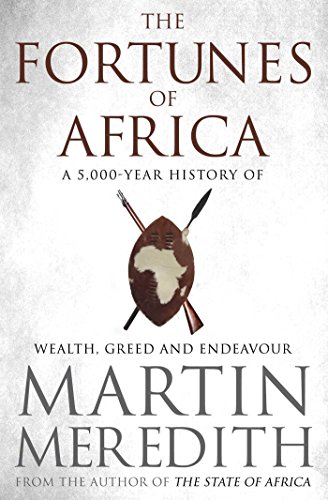
The Fortunes of Africa – Martin Meredith
(Non-Fiction, Long-Run African History)
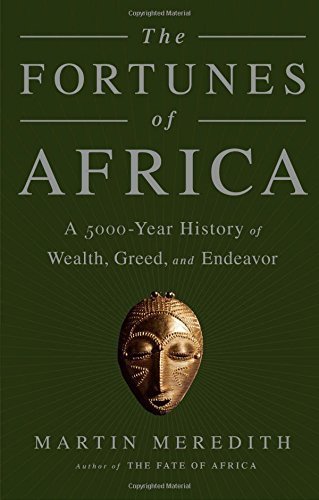
Topic: Broad sweep from ancient times to the modern era.
Summary: Meredith’s strength lies in providing a readable grand narrative of how empires, trade, colonialism, and independence interconnect. A strong companion to many more specialized books, as it does not lose sight of the big arc. Best suited for readers seeking a single long storyline. Can serve as a “spine” for other works.
The best books on African history correct our lens as much as fill in the gaps. They reveal Africa as an actor that has created trade, religion, empires, and modern politics—not just the passive backdrop for other powers. And when you read widely across regions and eras, you also see how vast and varied the continent is: desert empires and forest kingdoms, coastal trading cities and inland frontier states, revolutions and renaissances. The deeper truth, of course, is that there is no single “African story” to tell, only many histories that demand to be read on their own terms.
The best books on African history also reward slow, curious reading. Pair big surveys with focused regional studies, then add memoirs and novels that bring lived experience to the page. If you want to go further, look for bibliographies, maps, and translated primary sources cited by these authors, since that is where the evidence lives. The more you read, the clearer it becomes: African history isn’t a niche topic—it’s essential for understanding how the modern world was made.