
25+ Must-Read Historical Fiction Books For History Lovers
 Reading Time: 9 minutes
 Must-Read historical fiction makes the past feel present tense instead of miles and millennia away. The strongest novels don’t just drop dates and places willy-nilly; they conjure the smells of city streets, tension before a battlefield charge, whispered political dealings in a royal court, and the smaller decisions and compromises folks faced every day under enormous stress. Done right, historical fiction means learning about history one chapter at a time by living through it.
This list includes over 25 must-read historical fiction books set around the world, spanning empires, revolutions, wars, and world-changing turning points. From sprawling epics to tight-turning character studies to page-turning journalism inspired by true stories, you’ll find books about any era you love here. Interested in Ancient Rome? Medieval politics? World War II? The fall of empires? Check out these books guaranteed to give you both a great story and solid historical lore to boot.
25+ Must-Read Historical Fiction Books For History Lovers

Wolf Hall – Hilary Mantel
(Fiction, Tudor Politics and the Rise of Thomas Cromwell)


Thomas Cromwell’s rise to power unfolds against a backdrop of political machinations and religious turmoil in Henry VIII’s court. Witness the downfall of Cardinal Wolsey, Anne Boleyn’s ascension, and England’s break from Rome. Hilary Mantel brings the acquisition of power down to a personal level: earned by granting favors and wielding threats, sealed by effective lies told at exactly the right time.
I, Claudius – Robert Graves
(Fiction, Ancient Rome and Imperial Survival)
![The Claudius Novels: I, Claudius [and] Claudius the God (Penguin ...](https://m.media-amazon.com/images/I/41C3Clx0J2L._SY445_SX342_FMwebp_.jpg)
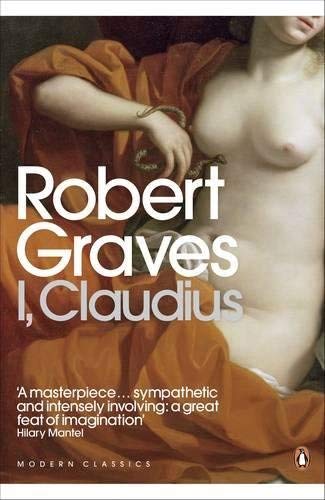
Narrated as the secret memoirs of the stammering Claudius, the novel descends into the poison, paranoia, and bloodline politics of imperial Rome’s Julio-Claudian dynasty. You see Augustus’s legacy curdle into Tiberius’s paranoia and Caligula’s tyranny. Graves mixes palace intrigue with politics so that Rome’s “family drama” plays like national policy. It’s clever, grim, and very textured with history.
War and Peace – Leo Tolstoy
(Fiction, Napoleonic Wars and the 1812 Invasion of Russia)
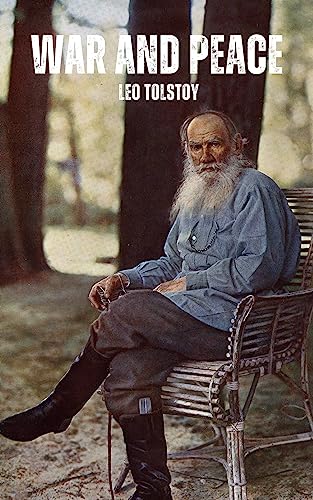


As Napoleon’s army invades and Russia marches to meet it, Tolstoy traces the lives of families from the Russian aristocracy. Palace halls empty, and dining tables become battlefields as balls and bedroom intrigues mix with cannon fire. From salon to burning city, history both shatters and reshapes the daily lives of Tolstoy’s characters. Epic in scope and tragic in detail, War and Peace seamlessly weaves together stories of intimate personal heartbreak with grand military maneuvers. It is one of the most complete pictures of a society at war ever painted.
The Killer Angels – Michael Shaara
(Fiction, American Civil War and the Battle of Gettysburg)
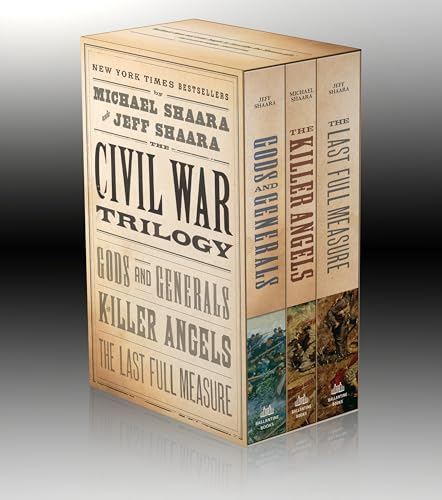
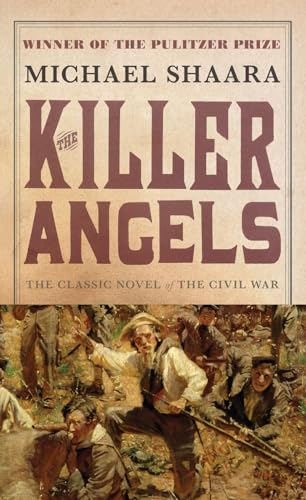
Gettysburg as seen from bottom up: from generals on both sides, including Lee and Chamberlain. This book reveals how the fog of war, ego, and decisions made in seconds shape reality more than sweeping strategies do. Experience the heat, fatigue, and fear behind the stirring words we remember. A powerful introduction to understanding how Gettysburg became a turning point in the American Civil War.
The Book Thief – Markus Zusak
(Fiction, Nazi Germany and the Home Front)


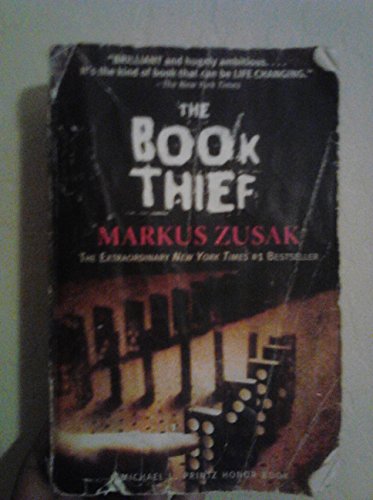
Narrated by Death, this haunting novel is the story of a German girl who steals books when the bombs begin to fall, and the reign of the regime tightens its grasp. It illuminates rationing and fear, propaganda and subtle resistance. At the heart of the novel is the hiding of a Jewish man, and what a family is willing to sacrifice to keep him alive. A must-read historical fiction that is moving, brutal, and unforgettable.
All the Light We Cannot See – Anthony Doerr
(Fiction, World War II and the Bombing of Saint-Malo)



Two young people caught in the crosshairs of war: one French, one German. The novel crescendos to the Allied bombing of Saint-Malo and the breakdown of daily life under occupation. Doerr employs radios, cryptography, and grace notes to depict how war twists people’s senses and decisions. Poetic without romanticizing the horror of war.
The Nightingale – Kristin Hannah
(Fiction, French Resistance in World War II)
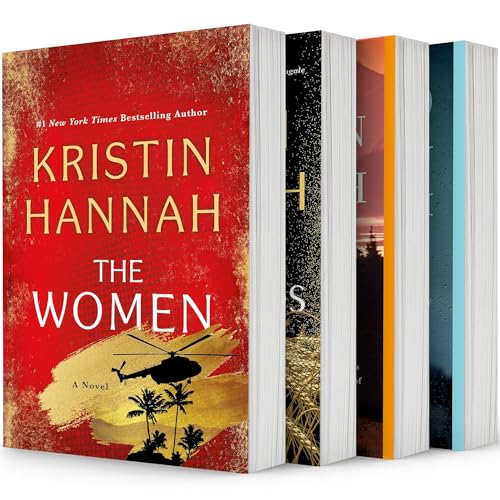
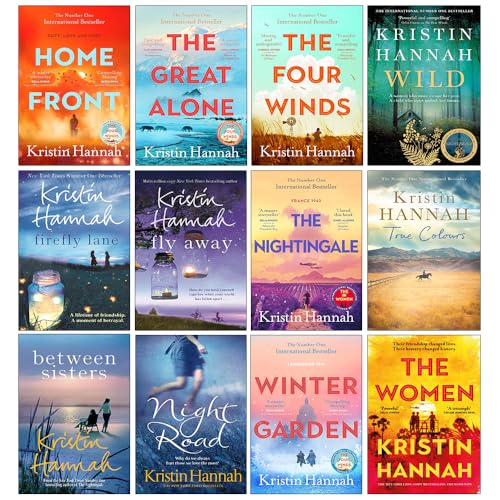
Two sisters separated by choices: one fights to survive. The other joins the resistance. The story journeys through fake papers, escape lines, and life under Nazi occupation. Living in constant fear. Danger around every corner. Fighting Nazis with nothing but whispers. Heightened emotions under constant pressure.
A Tale of Two Cities – Charles Dickens
(Fiction, French Revolution and the Reign of Terror)
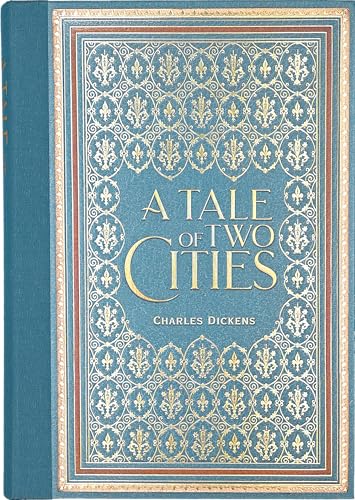
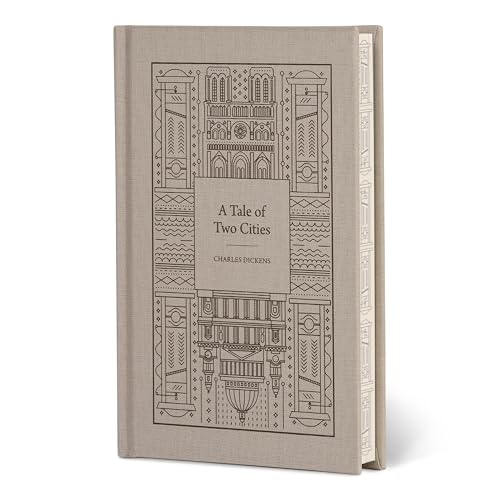
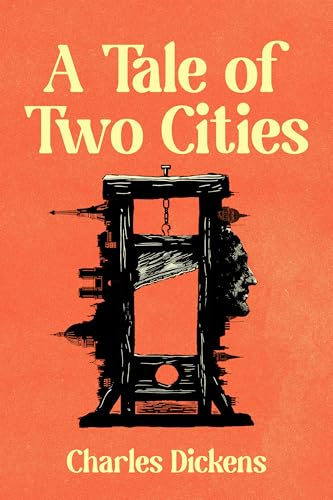
Dickens sets love, sacrifice, and revenge against revolutionary Paris and a wary London. The guillotine is not window dressing: it’s the moral catalyst that distorts justice. You witness how mobs and paranoia become policy. It’s one of the most vivid literary depictions of the French Revolution becoming a time of terror.
The Count of Monte Cristo – Alexandre Dumas
(Fiction, Post-Napoleonic France and Political Betrayal)
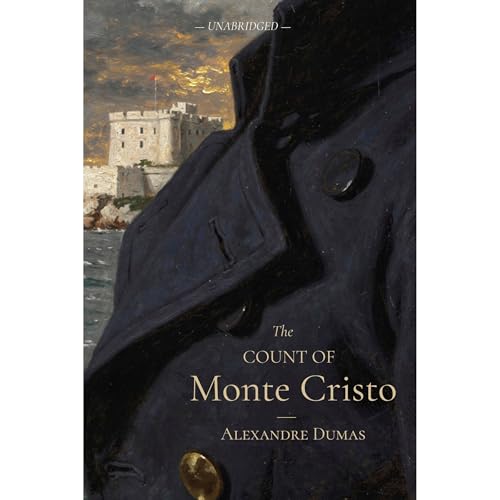


Politically blacklisted and imprisoned in the tumult following Napoleon’s reign, a young sailor escapes and reinvents himself in society before returning with elaborate plans for revenge. Full of intrigue, conspiracies, and payback, this new series debut takes you inside the patronage and power of Restoration-era France. It’s also a lesson about what revenge does to those who seek it.
Pillars of the Earth – Ken Follett
(Fiction, Medieval England and Civil War in the 1100s)


The book takes place during “The Anarchy.” It chronicles builders, monks, nobility, and peasants, all connected to the creation of a cathedral. Politics and religion clash with famine, bloodshed, and greed. Follett makes medieval life feel tangible: the mud, stone, hunger, and optimism. It’s epic, you dive right in, and it’s constructed around the development of institutions.
The Name of the Rose – Umberto Eco
(Fiction, Medieval Monasteries, Heresy, and Church Politics)

A monk investigator investigates an abbey where folks keep dying amid a war of ideas. The Place brims with talk of heresy, censorship, and forbidden knowledge. Eco makes theology and library science thrilling. It’s both a mystery novel and a lesson in how ideas can be dangerous.
Shōgun – James Clavell
(Fiction, Feudal Japan and the Rise of Tokugawa Power)
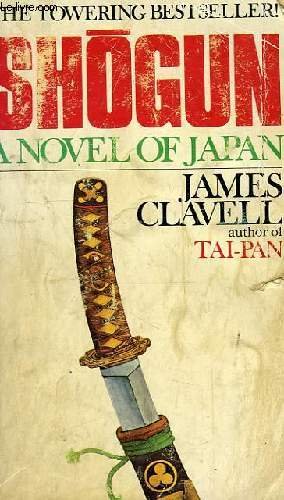
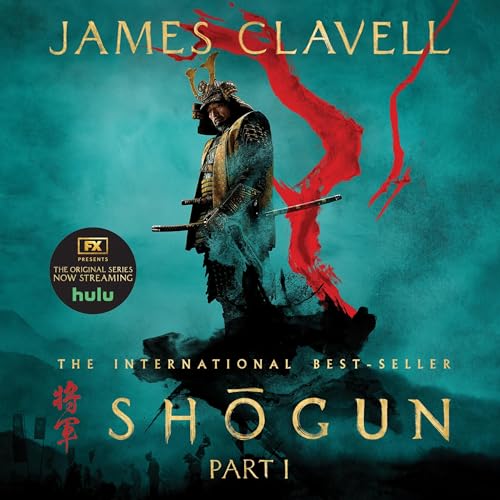
Shipwrecked in Japan, an English pilot becomes a pawn in the vicious power struggles of daimyo politics. Culture clash. Diplomacy. Hostage taking. Forging a new order. Clavell weaves a grand tale of how raw power is accumulated: patience, alliances…and judicious use of violence. If you want to learn about early modern Japan but are put off by dry history books, this is the fiction substitute. Inspired by the life of William Adams.
The Things They Carried – Tim O’Brien
(Fiction, Vietnam War and Soldier Experience)
![Things They Carried (90) by [Paperback (2009)]](https://m.media-amazon.com/images/I/41tbshKh8bL.jpg)
The Things They Carried depicts fear, boredom, sorrow, and PTSD in Vietnam. Tim O’Brien combines fact and fiction to portray how war persists in veterans’ minds. “Things” range from guns and love letters to guilt and grief. Considered one of the most empathic war novels ever written.
Atonement – Ian McEwan
(Fiction, World War II, and Dunkirk)
![Atonement a Edition by McEwan, Ian [2007]](https://m.media-amazon.com/images/I/51POfXGjuDL.jpg)
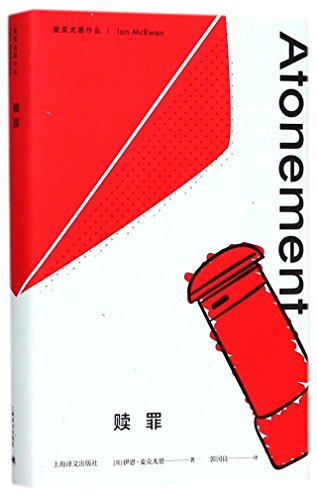
An accusation destroys a life, and ripples echo into World War II-torn Europe. The visceral, frantic retreat to Dunkirk that comprises the novel’s middle section renders trauma tangible, confusing flight with defeat. McEwan weaves individual guilt with collective horror. Atonement is about how one lie can escalate to a lifetime of war.
The English Patient – Michael Ondaatje
(Fiction, North Africa Campaign and World War II Aftermath)
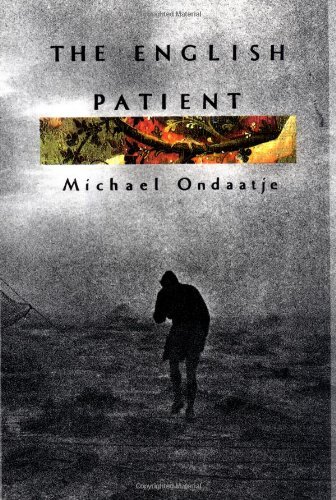
Survivors tell the story of love, espionage, and desert discovery in an Italian villa toward the war’s end. The story flashes across the North African theater and through the political maneuvering of identity. More invested in the scars war leaves on memory than the battles themselves. Beautiful. Fractured. Haunting.
Blackout / All Clear – Connie Willis
(Fiction, The Blitz and Time-Travel to Wartime London)
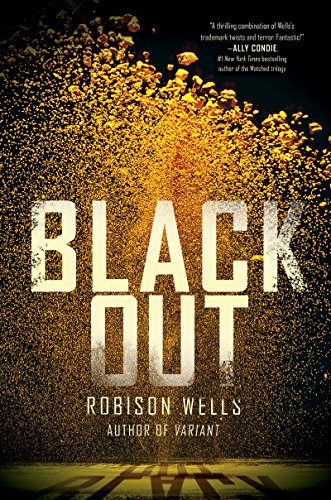

Time-traveling historians find themselves stranded in London during the Blitz, winter 1940–41. Air raids, shelters, rationing, and propaganda all loom large. Willis combines gallows humor and creeping fear as she chronicles civilian survival under sustained bombing. It’s absorbing, madcap, and unexpectedly poignant. Absolutely a must-read historical fiction.
The Iron King – Maurice Druon
(Fiction, Medieval France and the Fall of the Templars)
Beginning with the arrest of the Templars, The Iron King branches into medieval politics of debt, treason, and royal family meltdown in France during the early 14th century. Druon depicts how well-organized paranoia, public trials, and propaganda can dismantle a country piece by piece. Anyone into conspiracy theories will love it, but make sure you appreciate the behind-the-scenes gears of government if you pick it up. Essentially, political intrigue at its finest.
The Song of Achilles – Madeline Miller
(Fiction, Trojan War and Mythic Greece Reimagined)
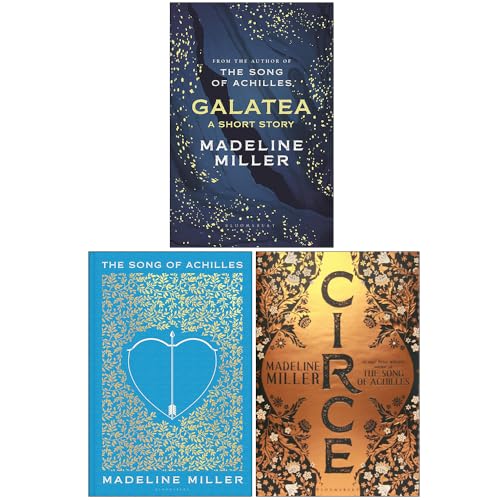
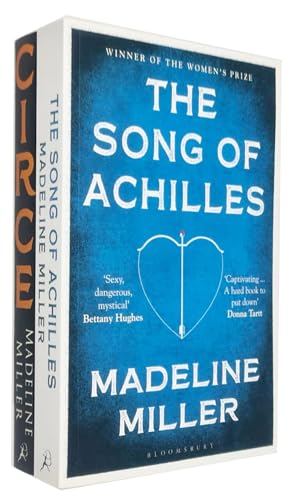
A human, intimate retelling of Achilles and Patroclus among the horror of the Trojan War. Miller makes heroism feel costly, and war feel personal. Details like camp politics, pride, and the endless slog of siege life. Mythology grounded in emotional truths.
Memoirs of a Geisha – Arthur Golden
(Fiction, Japan Before and During World War II)

The novel chronicles Kyoto’s geisha society and World War II through the life of one woman. It shows you the beauty of their culture: the training, the patronage, and the stringent societal rules. And then war hits. It contrasts that ordered life with the shortages and disruption of war. It’s part social history and part bildungsroman. The villain? Change itself.
The Underground Railroad – Colson Whitehead
(Fiction, American Slavery and Escape Networks)
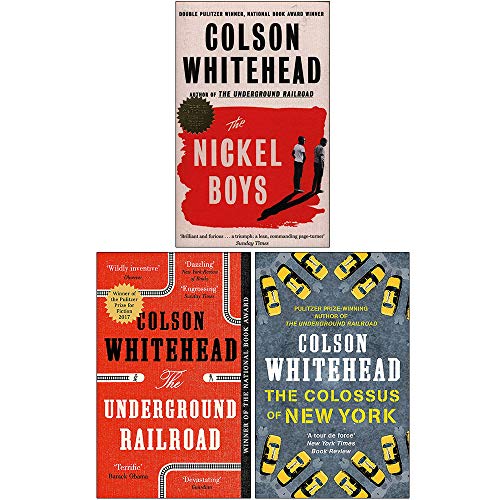

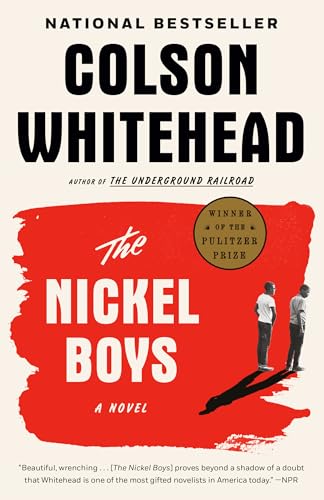
Whitehead reimagines the Underground Railroad as an actual underground train system. He doesn’t let us forget the terror that was real history, taking us through various incarnations of American racism, from chattel slavery to structured regulation. Fantastical, yes, but grounded in the truth that makes it so devastating. A raw, frantic book about the will to live.
Homegoing – Yaa Gyasi
(Fiction, Atlantic Slave Trade and Generational Consequences)

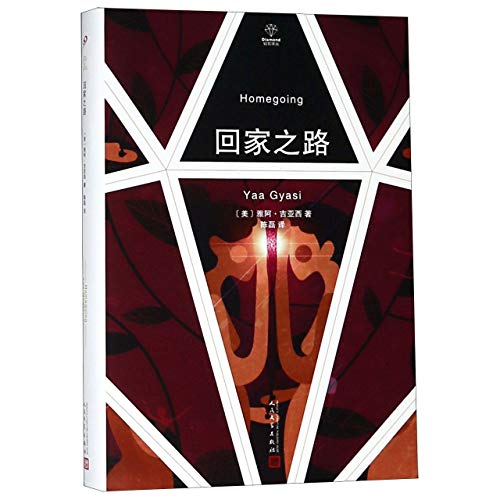
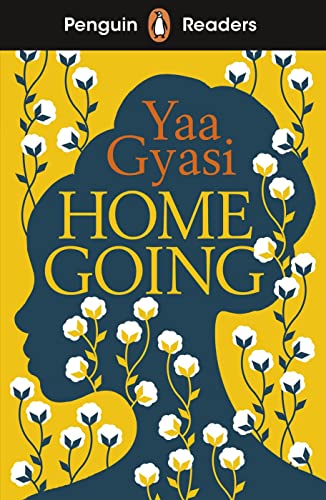
Eighteenth-century Ghana. Two half-sisters begin two distinct family lines—one in Ghana and one in America. Every chapter chronicles the next generation as the daughters of these women experience the effects of slavery, colonization, and racism. Insightful and sweeping. The chapters are small but mighty.
The Red Tent – Anita Diamant
(Fiction, Ancient Near East and Women’s Life in Biblical Times)
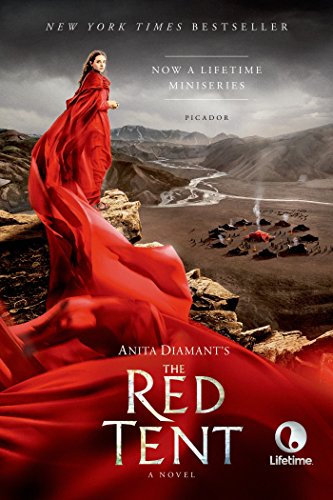
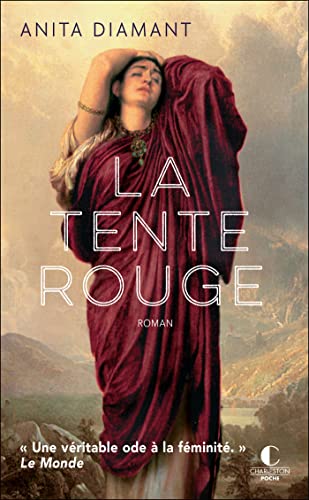
This novel imagines the world around Dinah — centered on women’s rituals, familial power struggles, and daily life. It breathes life into a slim historical/biblical account, creating a richly experienced world. The “red tent” is transformed into a place of knowledge and legacy. Fans of domestic-placed history that feels like lives depend on it will enjoy
The Shadow of the Wind – Carlos Ruiz Zafón
(Fiction, Post–Spanish Civil War Barcelona)
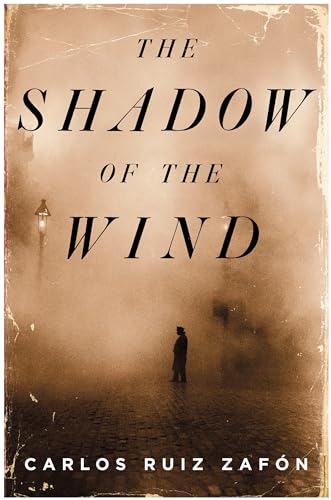
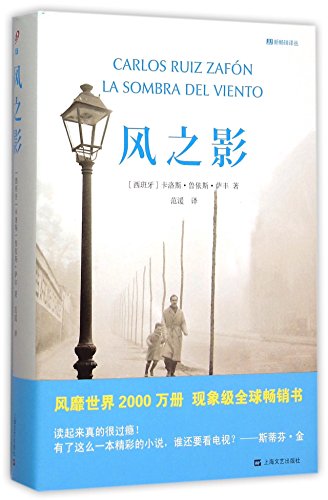
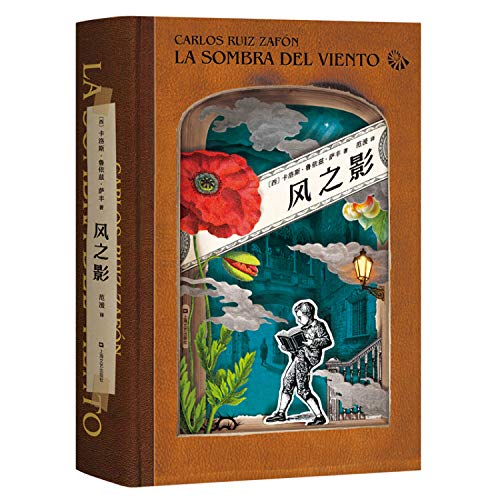
A boy reads a mysterious book and gets sucked into a puzzle of secrets molded by censorship and fear-mongering politics. Poverty, watchtowers, and disappearances lurk behind every clue. Historical fiction with gothic undertones. Barcelona is like a scarred character itself.
The Grapes of Wrath – John Steinbeck
(Fiction, Great Depression and Dust Bowl Migration)
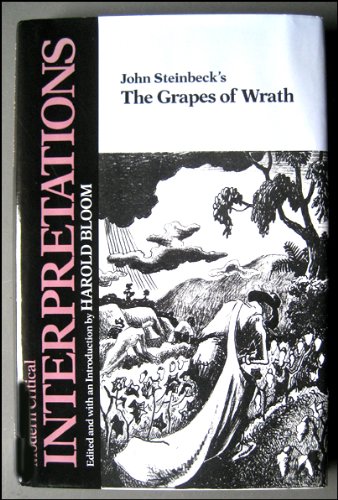

The trials and travels of the Joad family chronicle eviction, bank foreclosure, worker exploitation, and desperation on the route to California. Steinbeck exposes how economic disaster transforms into a crisis of conscience. The novel feels personal and systematic -one family, one nation, fracturing. Remains one of the best “history-through-fiction” lessons.
The Raj Quartet (start with The Jewel in the Crown) – Paul Scott
(Fiction, British India and the End of Empire)
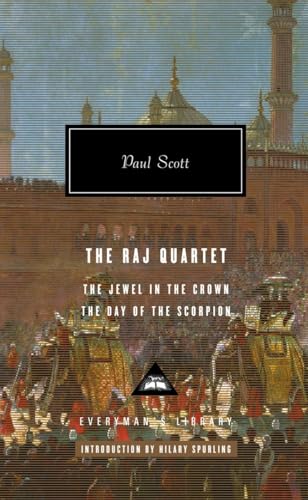
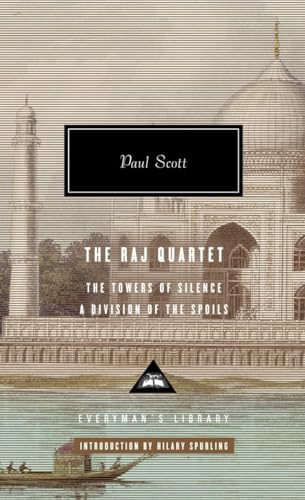
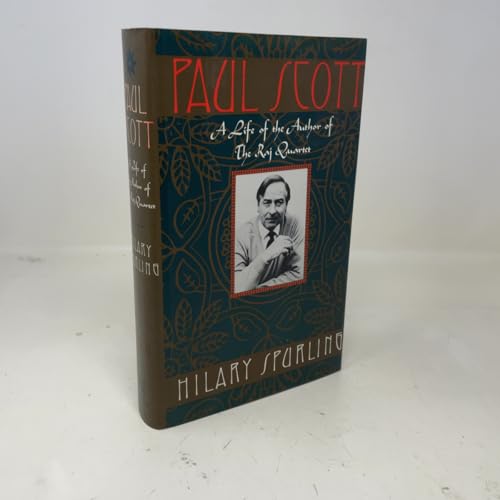
From the 1940s, it explores colonial authority, race privilege, and the messy politics that lead inexorably to independence and the threat of Partition. It shifts perspectives so that characters’ actions are understood as each group tries to legitimize itself. It concerns order and law, violence and reputation, ruin. This series shows you the collapse at the heart of the empire in intimate human terms.
Must-Read Historical Fiction is history made personal. Facts and timelines become kingdoms to win or lose, lives where power and terror, passion and perseverance play out—and you get to see how the stakes felt to the people living them. Suddenly, that cold moment in history is a full 360-degree experience. Whether they’re set during World War II or Ancient Rome, the best historical fiction novels teach us something about the past by showing us what it was like to live there.
History buffs: consider this your springboard, not your Bible. Dive down the rabbit hole of your favorite time periods—if a book sparks your interest, read its author’s note, then go track down what actually happened in history books and first-person accounts. Well-researched historical fiction should make you want to learn more about history, not less. Once you’re hooked, you’ll find each new novel is just another path leading you back.


