25+ of the Best Books on the History of Ireland
 Reading Time: 11 minutes
 The best books on the history of Ireland do more than supply dry lists of kings, rebellions, famines, and treaties. They help us understand how one small island could become the site of centuries-long struggles over land and faith, empire and language, identity and independence. From the medieval Gaelic world to English conquest, from the Great Famine to the Easter Rising, Ireland’s past is among the richest, most painful, and most influential in Europe. As recorded in the Annals of the Four Masters and by later historians, Irish history has been intimately bound up with the way its people have remembered their past.
The following books offer useful starting points for readers interested in understanding Ireland from many different perspectives. Some provide broad histories that span the entire island from ancient times to the present day. Others address key turning points in Irish history, such as the Tudor conquest, Cromwell’s campaigns in Ireland, the Great Hunger, partition, the Irish War of Independence, or the Troubles in Northern Ireland. Taken together, these works remind us that Irish history is impossible to pin down to a single, simple narrative. It is a history of survival and conflict, culture and loss, and reinvention. This list includes both Fiction and non-Fiction books that focus on the history of Ireland.
25+ of the Best Books on the History of Ireland
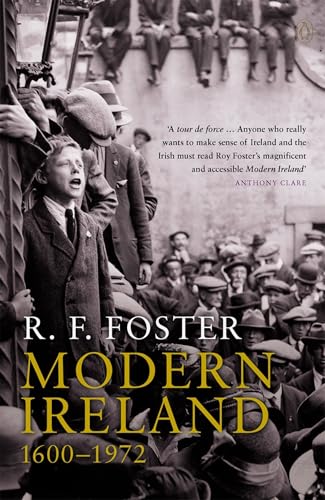
Modern Ireland: 1600–1972 – R. F. Foster
(Non-Fiction, Irish Political and Social History)
Topic: Ireland from early modern conquest through partition, independence, and the Troubles.
Ireland from early modern conquest through partition, independence, and the Troubles. Summary: Foster provides one of the major modern overviews of Irish history. He traces how land, religion, empire, nationalism, and class all played roles in transforming Ireland over centuries. In particular, this volume is useful for examining how English and British power transformed Irish society after 1600, and also in understanding how Irish nationalism came to the fore, and a long road to modern political conflict began.
Ireland: A History – Thomas Bartlett
(Non-Fiction, Full Irish History Survey)

Topic: Ireland from early settlement through the Celtic Tiger era.
Bartlett delivers a wide-ranging, readable introduction to Irish history across multiple periods. Moving from ancient and medieval Ireland through conquest, plantation, famine, revolution, partition, and modern statehood, this is an excellent option for readers who wish for a one-volume treatment that traces the long arc of Irish history and is not centered only on the twentieth century.
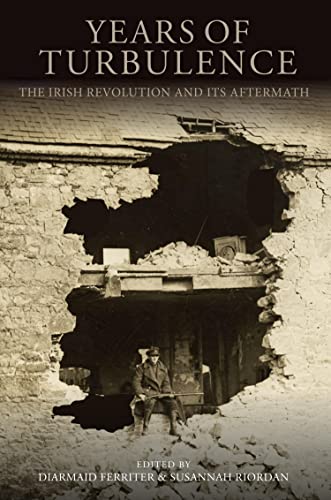
The Transformation of Ireland 1900–2000 – Diarmaid Ferriter
(Non-Fiction, Twentieth-Century Ireland)
Topic: Ireland’s political, social, religious, and cultural transformation during the twentieth century.
Ferriter’s narrative looks at a century of dramatic transformation, from revolution to Celtic Tiger. Topics covered include independence, partition, emigration, the Church, social change, and contemporary politics. The book is particularly valuable in that it does not simply see twentieth-century Ireland as a history of insurrection and strife; it also reveals how daily life altered.
A Nation and Not a Rabble: The Irish Revolution 1913–1923 – Diarmaid Ferriter
(Non-Fiction, Irish Revolution)
Topic: The Easter Rising, War of Independence, Civil War, and creation of the Irish Free State.
A compelling account of the revolutionary decade, Ferriter’s book addresses politics and political violence, revolutionary ideology, and the experiences of ordinary people. Dispensing with simplistic hero worship, he reveals just how untidy, divided, and contingent the period was. An important read for anyone trying to understand the kind of country we have become, modern Ireland, born of both idealism and unimaginable brutality.
Angela’s Ashes – Frank McCourt
(Non-Fiction Memoir, Poverty and Life in Twentieth-Century Ireland)
![Angela's Ashes::Memoir[Paperback,1999]](https://m.media-amazon.com/images/I/31uXtaJ4MaL.jpg)
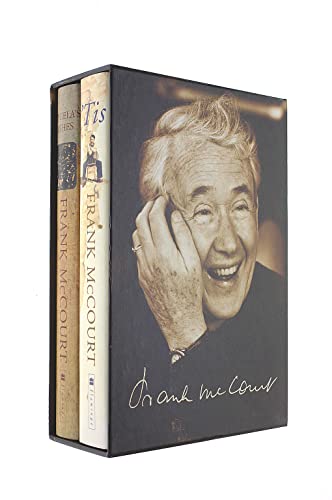
Topic: Childhood poverty, religion, family hardship, and daily life in Limerick during the 1930s and 1940s.
McCourt details his childhood in poverty following his family’s repatriation from New York to Ireland. He writes about hunger, disease, unemployment, strict Catholic schooling, and his father’s alcoholic destructiveness. While not fiction, it is a highly story-driven, stylized memoir of life lived in abject poverty, bringing to light conditions experienced by many working-class Irish families before Ireland’s postwar economic growth.
The Great Hunger: Ireland 1845–1849 – Cecil Woodham-Smith
(Non-Fiction, Great Famine)
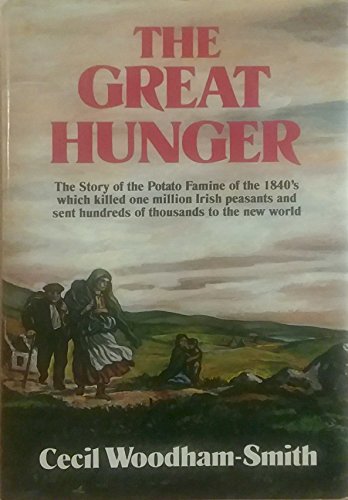
Topic: The Irish Potato Famine, British policy, starvation, disease, and mass emigration.
Woodham-Smith’s book is one of the best-known accounts of the Great Famine. It details the potato blight, government failures, landlordism, and the horrifying human consequences of hunger and disease. Some aspects of the interpretation have been modified by later historians, but the book is still considered a powerful, readable, and influential work.
The Graves Are Walking: The Great Famine and the Saga of the Irish People – John Kelly
(Non-Fiction, Great Famine and Emigration)

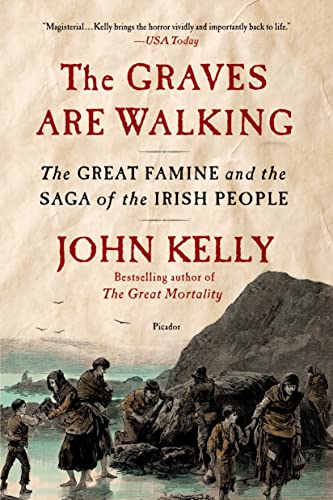
Topic: The Great Famine, relief failures, eviction, disease, and migration.
Kelly paints a rich picture of famine in Ireland and the desperation that drove people to emigrate. The book has the heft of individual misery that characterized the famine. It also details the policies and social systems that allowed the crisis to become a disaster. This is a handy book for those who are looking for a mix of narrative punch and historical context.
Say Nothing: A True Story of Murder and Memory in Northern Ireland – Patrick Radden Keefe
(Non-Fiction, The Troubles and Memory)
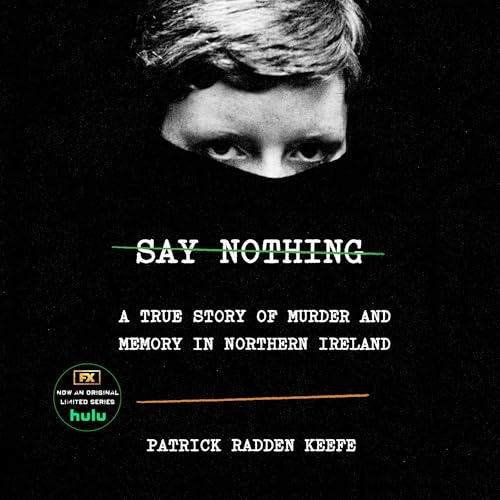

Topic: The disappearance of Jean McConville, the IRA, Belfast, and the legacy of political violence.
Keefe constructs one murder investigation into an exploration of a broader history of the Troubles. The book’s themes include secrecy, radicalization, prison protests, betrayal, and the weight of memory after conflict. The book is written as a thriller, but it also raises complex and troubling questions about justice, loyalty, and how society memorializes violence.
The Wonder – Emma Donoghue
(Fiction, Post-Famine Ireland and Religious Belief)
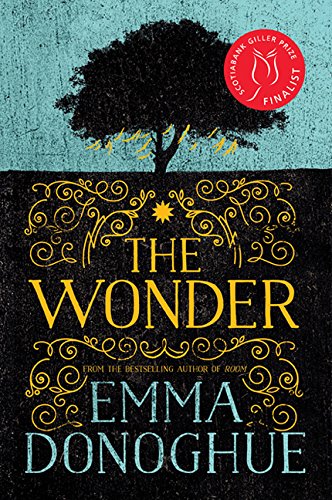
Topic: Religious devotion, trauma, family secrets, and rural Ireland in the aftermath of the Great Famine.
Set in 1859, the novel centers on an English nurse dispatched to assess the case of a young Irish girl who is said to have lived for months without food. In unraveling the mystery, she confronts fierce faith, local suspicion, and the lingering psychological toll of famine and loss. Donoghue uses mystery to explore the tension among science, religion, and social pressure in Victorian Ireland.
Making Sense of the Troubles – David McKittrick and David McVea
(Non-Fiction, Northern Ireland Conflict)

Topic: The Troubles, sectarian conflict, paramilitaries, British policy, and the peace process.
One of the clearest introductions to the Northern Ireland conflict. McKittrick and McVea cover the political background, key organizations, major events, and human cost of the Troubles. The book is particularly useful because it manages to keep a complex conflict readable without simplifying its causes.
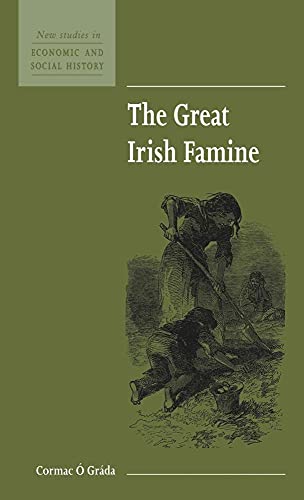
The Great Irish Famine – Cormac Ó Gráda
(Non-Fiction, Famine History and Analysis)
Topic: Causes, economics, mortality, relief policy, and demographic impact of the Great Famine.
Ó Gráda comes at the Famine armed with an economist’s and demographer’s expertise. He sets out to explain how the crisis became so lethal and to show how the character of Ireland’s social tissue helped to condition its effects. The narrative is not the most gripping one to be found among the shelves of Famine literature, but this is the book for you if you seek meticulous explication and judicious history.
Armed Struggle: The History of the IRA – Richard English
(Non-Fiction, IRA History)
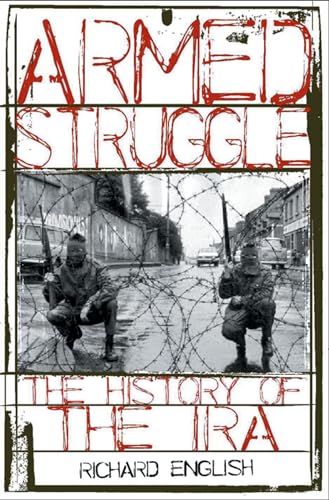
Topic: The Irish Republican Army from its origins through the peace process.
English traces the IRA’s development across the twentieth century, including its ideology, military campaigns, internal debates, and political evolution. The book is useful because it connects armed republicanism to Irish history rather than treating it as an isolated phenomenon. It is detailed, serious, and important for understanding modern Irish politics.
The IRA: A History – Tim Pat Coogan
(Non-Fiction, Irish Republican Movement)
![The I.R.A. / [by] Tim Pat Coogan](https://m.media-amazon.com/images/I/41FVEB5NwBL.jpg)
Topic: The IRA, Irish nationalism, armed struggle, and political conflict.
Coogan’s book is a major narrative history of the IRA and its place in Irish republican tradition. It covers the organization’s roots, campaigns, personalities, and relationship to wider Irish politics. Readers should know that Coogan writes with a strong narrative style and a clear viewpoint, and that the book remains influential and widely read.
Easter 1916: The Irish Rebellion – Charles Townshend
(Non-Fiction, Easter Rising)
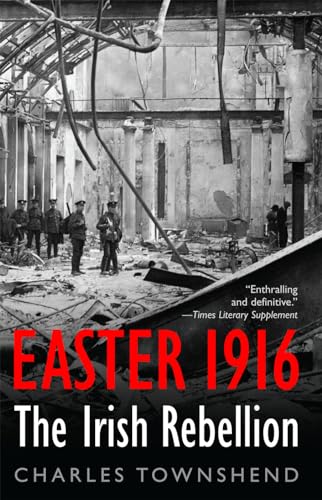
Topic: The Easter Rising, Irish nationalism, British response, and revolutionary politics.
Townshend examines the 1916 Rising as both a military event and a political turning point. The book explains how a failed rebellion became a powerful symbol after the executions of its leaders. It is one of the best focused studies for readers who want to understand why Easter 1916 mattered so much.
Star of the Sea – Joseph O’Connor
(Fiction, Great Famine and Emigration)
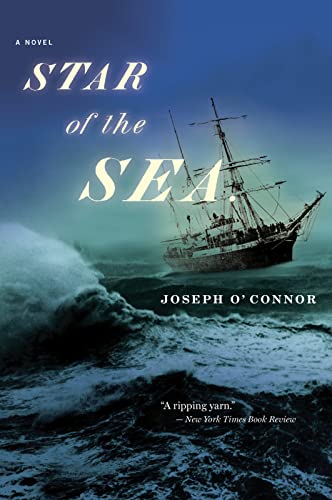
Topic: Famine-era Ireland, coffin ships, class, violence, and migration.
O’Connor’s novel traces the journey of passengers on a ship from Ireland to America during the Famine. It weaves together multiple voices to comment on hunger, landlordism, crime, memory, and survival. It is historical fiction, but the book conveys the desperation and moral ambiguity of famine migration with enormous power.
The Irish Story: Telling Tales and Making It Up in Ireland – R. F. Foster
(Non-Fiction, Irish Memory and National Myth)
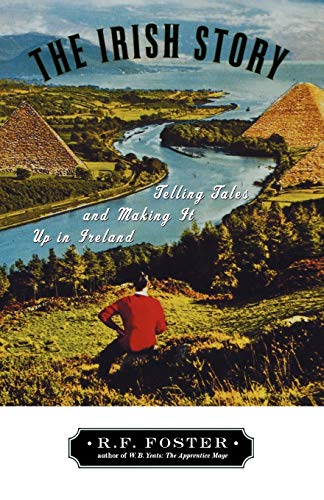
Topic: Irish historical memory, nationalism, storytelling, and mythmaking.
Foster reveals how Irish history has been remembered, retold, and mythologized. It’s not a straightforward chronology. It’s more of a study of how history is translated into identity. It’s helpful if you don’t just want to know what happened, but also how Ireland has argued about it.
The Easter Rising: A Guide to Dublin in 1916 – Conor Kostick and Lorcan Collins
(Non-Fiction, Easter Rising and Dublin Locations)
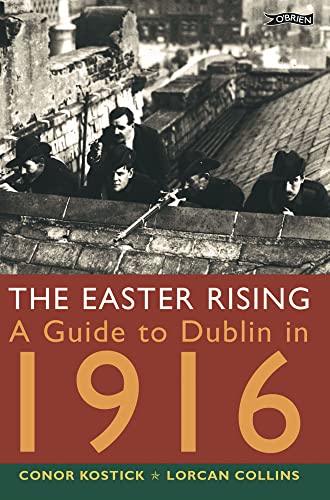
Topic: The 1916 Rising through the streets, buildings, and battle sites of Dublin.
If you want the Rising connected to physical locations, then this is the book for you. It describes where events took place and why certain buildings/streets/etc were important. The end result is a very useful and readable guide that makes the rebellion much easier to picture.
The Good People – Hannah Kent
(Fiction, Rural Ireland, and Nineteenth-Century Folklore)
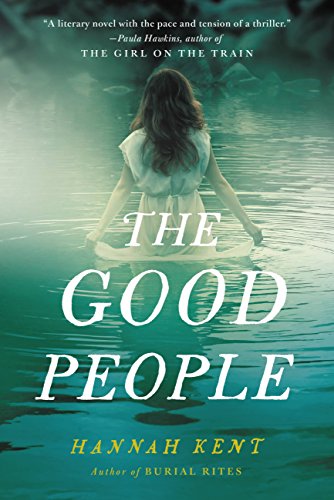

Topic: Folk belief, poverty, illness, and community life in rural Ireland during the 1820s.
Kent’s novel is about three women whose lives intertwine when a sickly young boy is thought by some in their village to be a changeling. The novel balances traditional Irish folklore against Catholic teaching and new medical ideas. Inspired by a real court case, it portrays a dark world of fear, isolation, and belief in a poor Irish rural community.
Michael Collins: A Biography – Tim Pat Coogan
(Non-Fiction, Irish Revolutionary Biography)
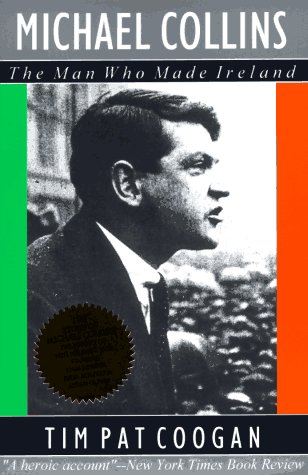
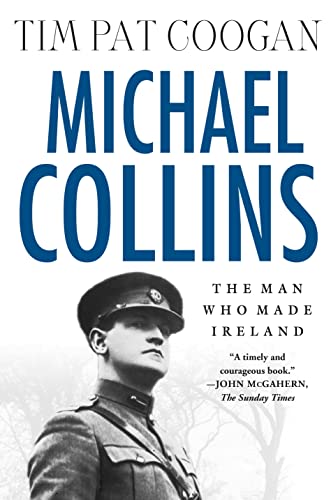
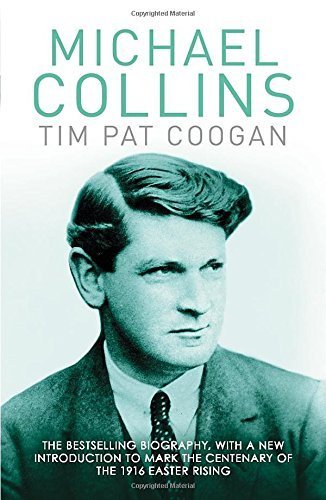
Topic: Michael Collins, the War of Independence, intelligence operations, and the Treaty split.
Coogan’s portrait of Collins is of a man at the heart of the Irish revolutionary period. From intelligence work to guerrilla tactics, negotiations with Britain, and the Civil War, he takes the reader on a journey. It is a fresh biography that makes one see why Collins was both loved and disputed.
The Republic: The Fight for Irish Independence – Charles Townshend
(Non-Fiction, Irish Revolution and Independence)
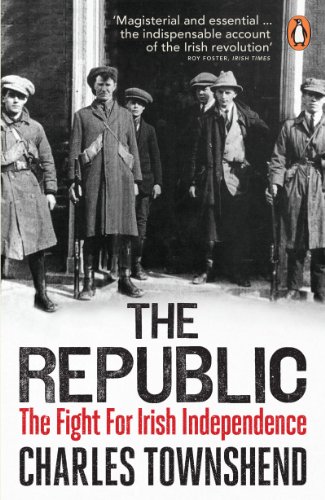
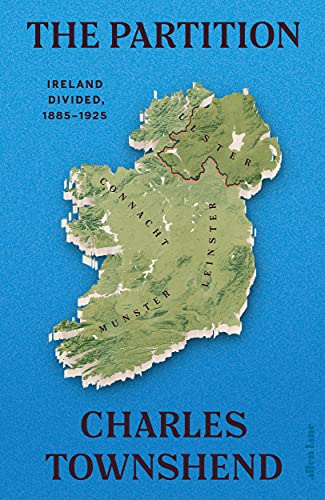
Topic: The Irish Revolution, War of Independence, Treaty, and formation of the Irish Free State.
Townshend’s account attends to both the politics and the violence in the Irish struggle for independence. Topics include Sinn Féin, the IRA, British counterinsurgency, and the transition from rebellion to state. The book is most helpful in its treatment of independence as a process rather than a single triumph.
The Princes of Ireland: The Dublin Saga – Edward Rutherfurd
(Fiction, Medieval Ireland, and English Conquest)

Topic: Dublin’s development from the age of Celtic kingdoms and Viking settlement through the English conquest of Ireland.
Rutherfurd traces the stories of several fictional families whose lives are intertwined with key events in Irish history. They explore Viking Dublin, Gaelic society, religious change, the coming of the Normans, and the increasing power of England. By combining fictional characters with historical events, the book provides an accessible window into the way Dublin and the history of Ireland transformed over several centuries.
Trinity – Leon Uris
(Fiction, Irish Nationalism and Sectarian Conflict)

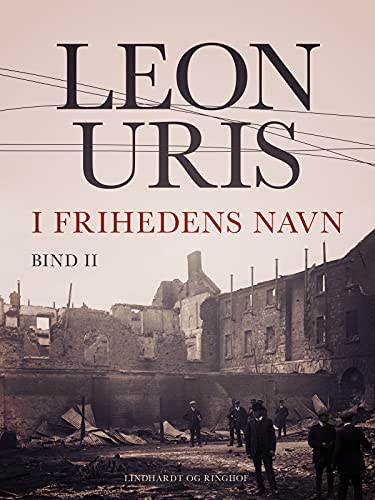

Topic: Irish Catholic and Protestant communities, nationalism, rebellion, and identity before 1916.
Uris’s novel charts fictional families through generations of Irish conflict and colonial tension. It dramatizes poverty, religious division, political awakening, and the emotional lure of nationalism. It should not supplant nonfiction history, but captures the passion and mythic power that fueled many popular understandings of Ireland.
Troubles – J. G. Farrell
(Fiction, Anglo-Irish Decline and Irish War of Independence)
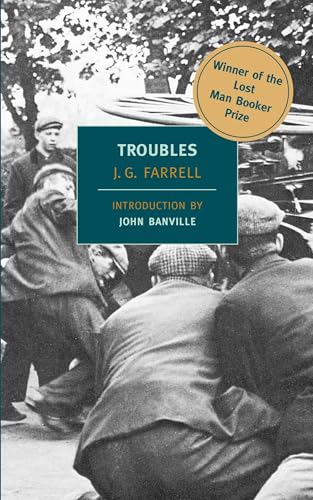

Topic: A decaying Anglo-Irish hotel during the revolutionary period.
Farrell employs the decaying Majestic Hotel as a metaphor for British and Anglo-Irish decline. The novel is blackly comic, strange and disturbing, a work that depicts political collapse not through a history of the battles but in its atmosphere. A fine literary companion to nonfiction on the Irish revolution.
The Twelve Apostles: Michael Collins, the Squad and Ireland’s Fight for Freedom – Tim Pat Coogan
(Non-Fiction, Irish War of Independence)
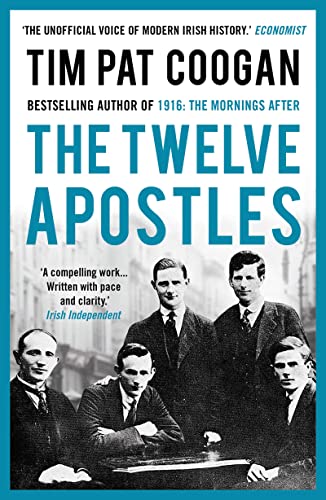
Topic: Collins’s intelligence network, assassination squad, and guerrilla war against British forces.
This book is about the secret war of the Irish War of Independence. It is a study of the men in Collins’s intelligence and assassination networks, and the grim mathematics of guerrilla warfare. It will be of use to those readers who want to know how intelligence, terror, and precise violence informed the conflict.
The Rebels of Ireland: The Dublin Saga – Edward Rutherfurd
(Fiction, Irish Rebellion and the Struggle for Independence)
![Dublin / Irlandia - Edward Rutherfurd [KSIÄĹťKA]](https://m.media-amazon.com/images/I/51meRPDsGEL.jpg)
Topic: Ireland from the sixteenth-century plantations through rebellion, famine, nationalism, and the Easter Rising.
This is the second volume of The Princes of Ireland, and it continues the saga of several families through a period when English control of Ireland was intensified. The story is one of plantations, religious discord, the United Irishmen, the Great Famine, and the rise of modern nationalism. As the background of political events divided families and communities, it also indelibly shaped the long struggle for independence.
A Short History of Ireland, 1500–2000 – John Gibney
(Non-Fiction, Modern Irish History Survey)

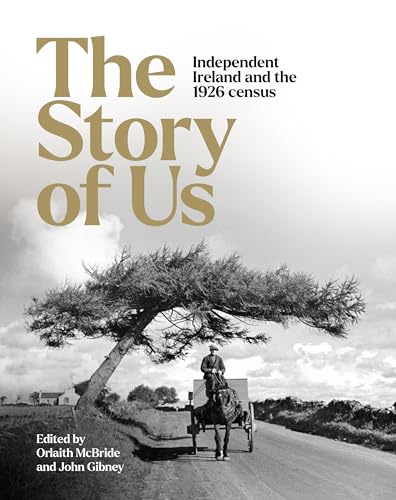
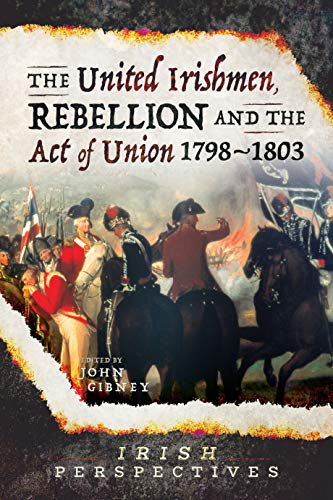
Topic: Ireland from Tudor conquest through modern Ireland.
Gibney gives a short summary of five hundred years of Irish history. Conquest, plantation, Catholic-Protestant warfare, union, famine, nationalism, independence, and the modern republic are all included. For those who want clarity but not hundreds of pages, this is a very good selection.
The Irish Civil War – Calton Younger
(Non-Fiction, Irish Civil War)
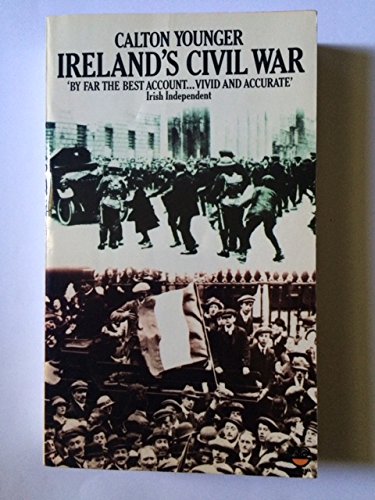
Topic: The 1922–1923 Civil War between pro-Treaty and anti-Treaty forces.
Younger offers an unambiguous and frank account of the internecine strife unleashed by the Anglo-Irish Treaty. The book also analyses why former friends became enemies, and the impact of the fighting on the new Irish state. It is a solid introduction to the trauma that independence left in its wake.
The Green Flag: A History of Irish Nationalism – Robert Kee
(Non-Fiction, Irish Nationalism)
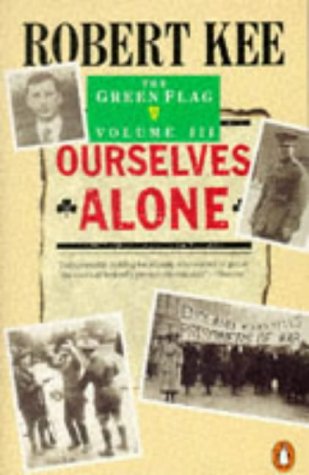
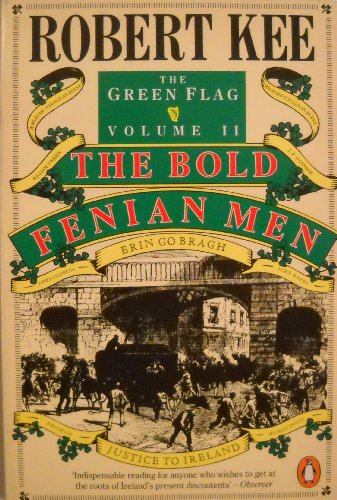
Topic: Irish nationalism from the eighteenth century through the twentieth century.
Kee charts the evolution of Irish nationalism from constitutional reform movements to rebellion, cultural nationalism, and finally to armed struggle. The book is wide-ranging and narrative in scope and, as such, is a useful guide to the emergence of discrete nationalist traditions. It is also useful in understanding why Irish nationalism was never one single idea.
The history of Ireland has been shaped by conquest and colonization, by faith and famine, by migration and emigration, by rebellion and cultural survival. It would take many volumes to tell the whole of that long story, which is why this list ranges across broad histories, focused studies, memoirs, and even historical novels. Together they show the national and the local, how events of state reverberated on the ground, in the lives of real people. Readers may start at any time—ancient Ireland, the Great Famine, the fight for independence, the Troubles—and find another angle on the past’s impact on present-day Ireland, its identity and memory, and its place in the world.


